
Last updated November 15, 2026
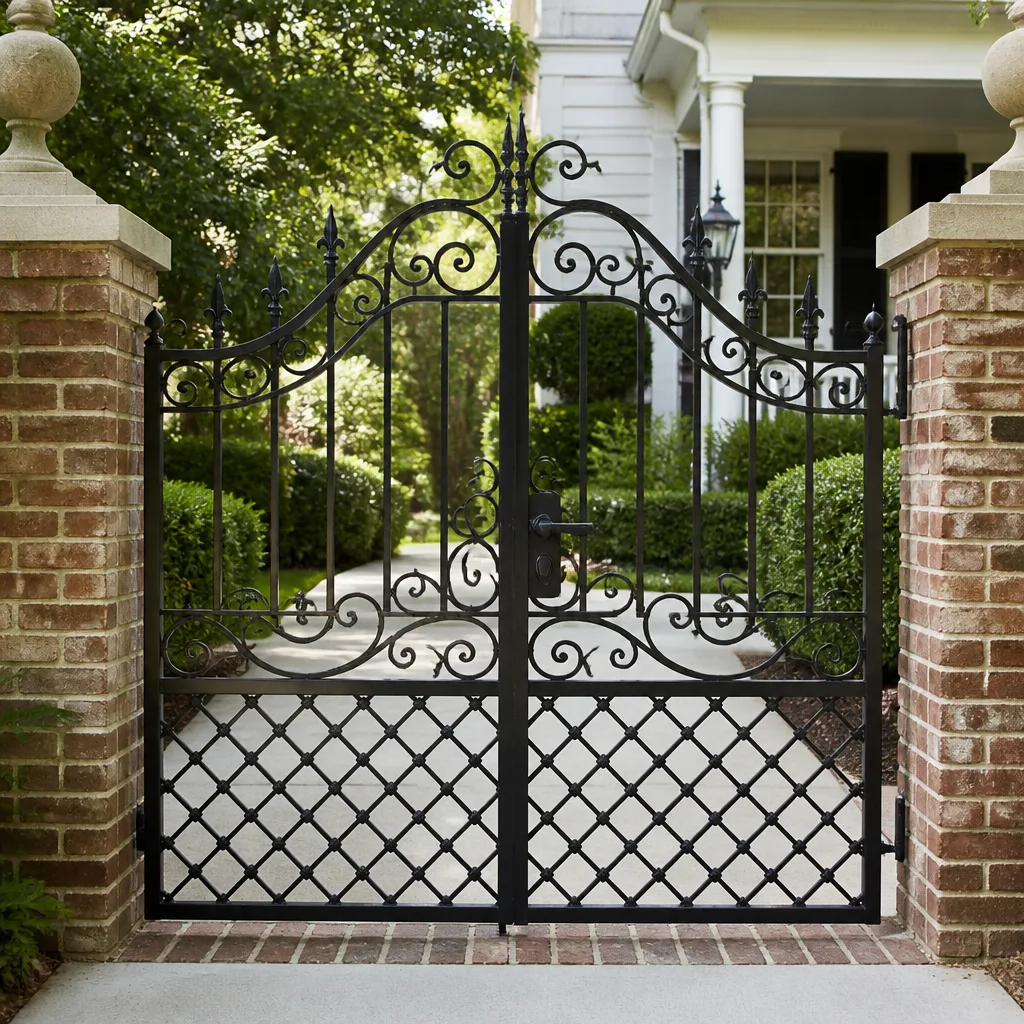 Wrought iron
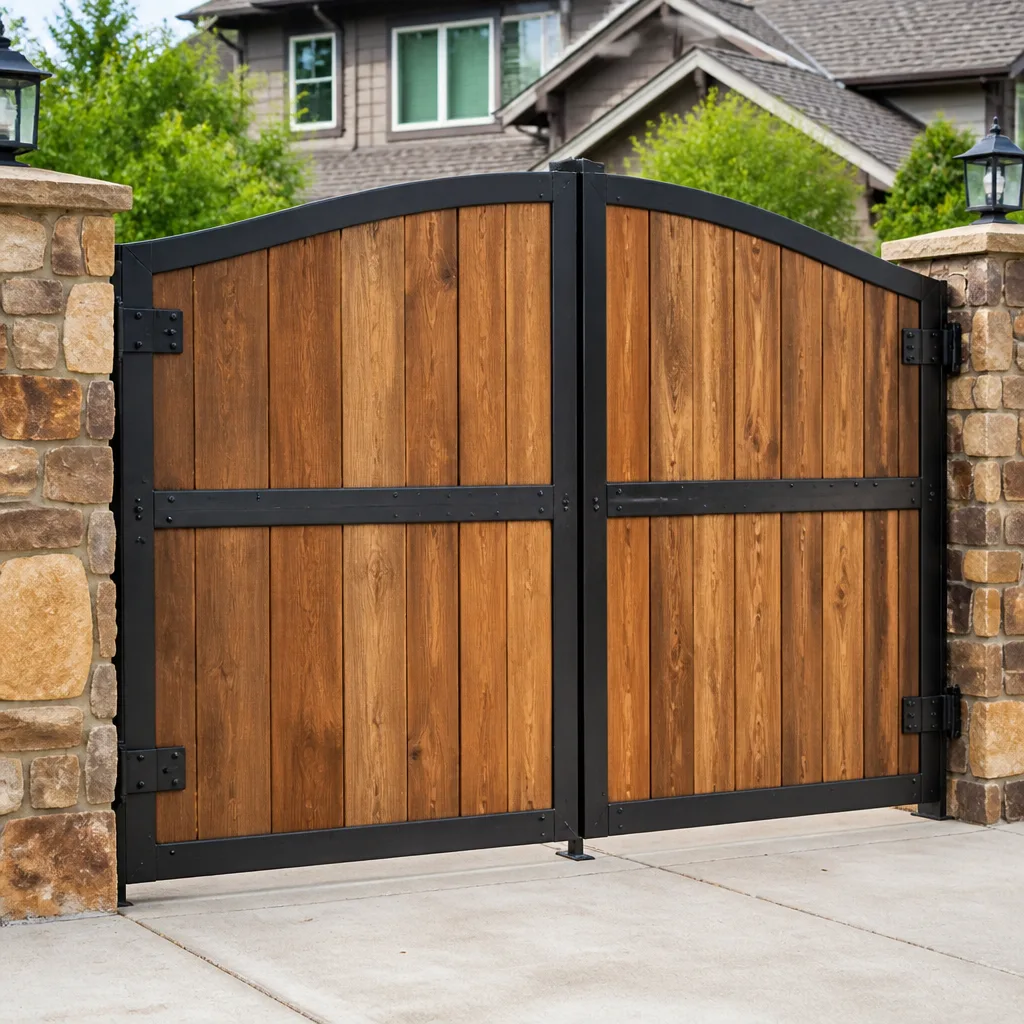 Wood & steel frame
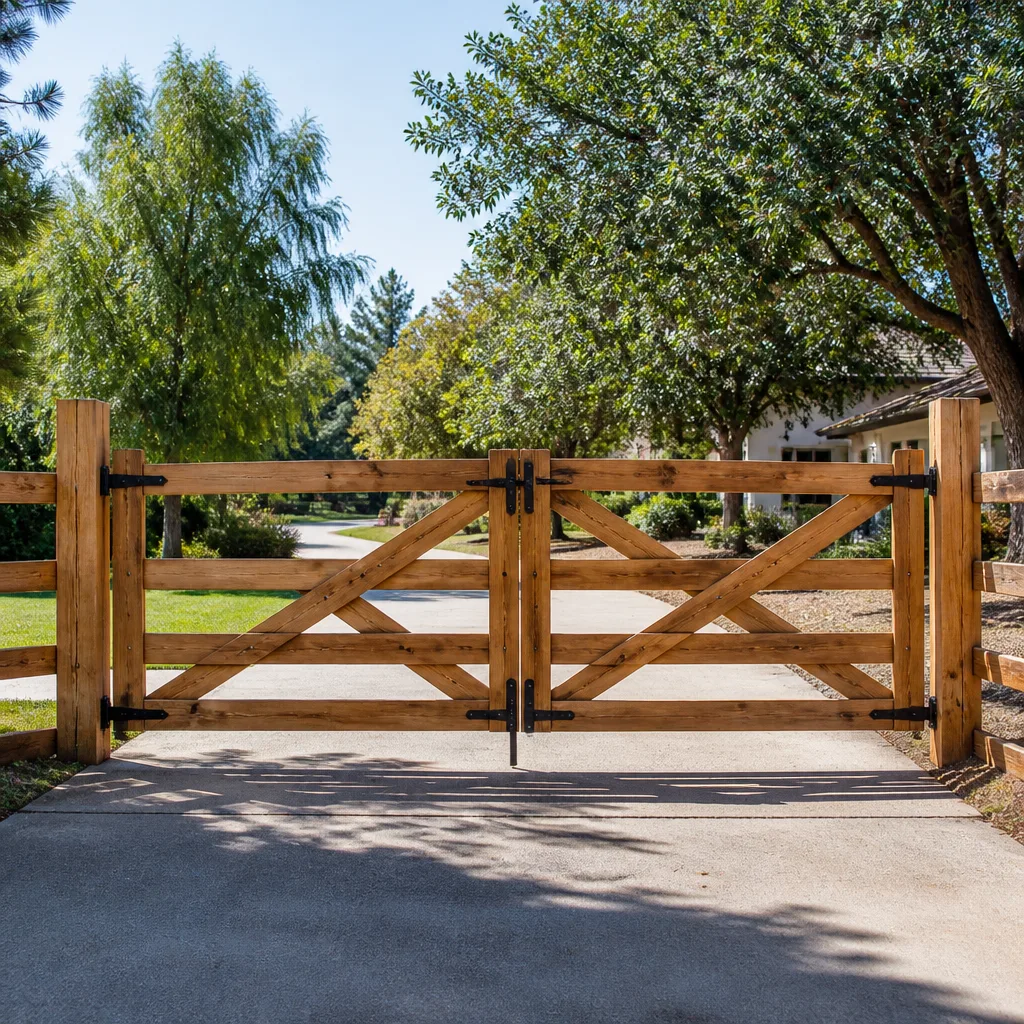 Farm & ranch
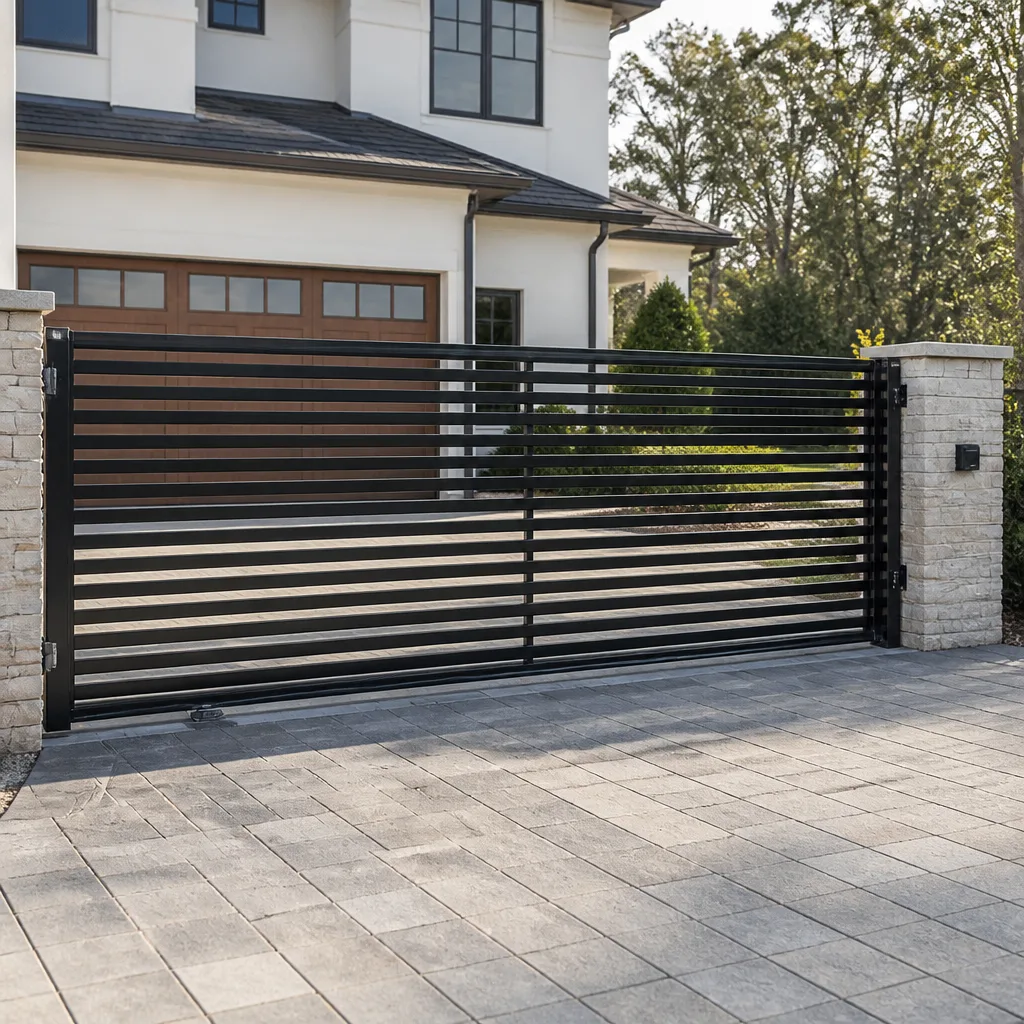 Sliding driveway gates
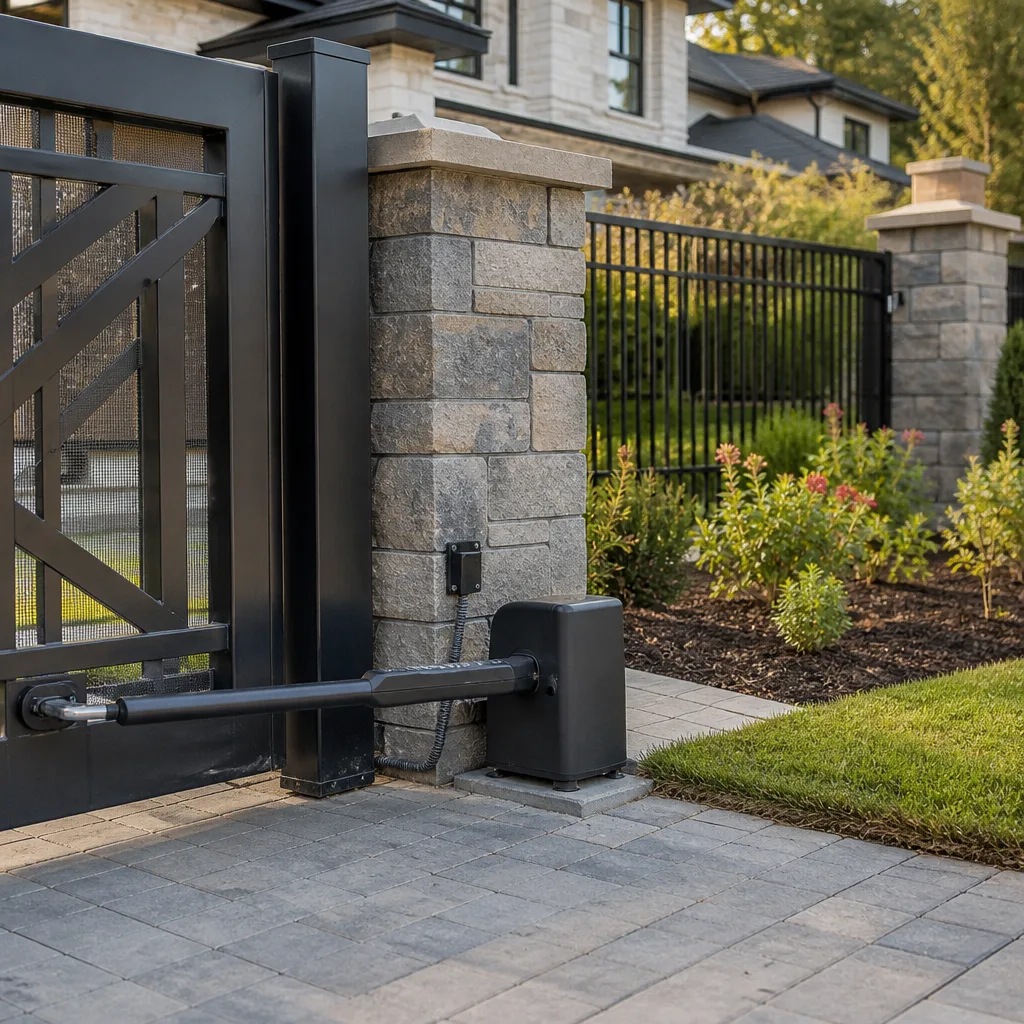 LiftMaster operators
Free on-site gate assessment - hinges, posts, and your LiftMaster or Nice gate operator checked before anything is quoted
The assessment is free and the quote is the invoice.
Get your free estimateThe Complete Guide to Gate Repair in Buffalo
Most gate failures in Buffalo aren’t caused by worn parts. They’re caused by frost heave shifting the post foundation until nothing aligns correctly, a problem no lubrication schedule will fix. If you’ve tightened hinges, greased rollers, and adjusted the opener only to watch the gate bind again by February, the mechanism was never the issue. The ground moved. This guide maps the failure patterns that Buffalo’s freeze-thaw cycle, lake-effect snow loads, and clay-heavy soil create, ties each one to the correct fix, and explains why a dedicated gate technician diagnoses them faster than a generalist. You’ll learn what actually breaks on iron, wood, and chain-link gates here, how to decide between repair and replacement, and when it’s time to put the tools down and make a call.
Quick Answer
Gate repair in Buffalo usually means addressing freeze-thaw damage, not a worn mechanical part: frost heave displaces posts and throws the gate out of alignment, lake-effect snow loads stress sliding hardware, and clay soil holds water that accelerates corrosion and rot. The right fix starts with checking the foundation and alignment before anything else, then moving to hinges, rollers, and the operator. Our technicians have up to 15 years of experience diagnosing exactly this sequence.
Styles & brands we work with
- Wrought iron
- Wood & steel frame
- Farm & ranch
- Sliding driveway gates
- LiftMaster operators
Table of Contents
- Why Frost Heave Is the Root Cause of Most Buffalo Gate Failures
- Buffalo’s Three Most Common Gate Types and How Each Fails in Cold
- What Lake-Effect Snow Load Does to Sliding Gate Hardware
- Gate Specialist vs. Garage Door Company: Why Diagnostic Accuracy Changes
- Electric and Automated Gate Failures in Buffalo Winters
- Repair or Replace? A Framework Built Around Buffalo Corrosion Timelines
- What Gate Repair Costs in Buffalo
- How a Professional Gate Repair Visit Works, Step by Step
Why Frost Heave Is the Root Cause of Most Buffalo Gate Failures
Frost heave is the upward movement of soil as water inside it freezes and expands, and in Buffalo it happens repeatedly through a winter, not once. The ground thaws, saturates with meltwater, refreezes, and lifts again. A gate post set in clay-heavy soil is the perfect target: clay drains slowly, holds that water against the post, and then heaves with real force when temperatures drop. Multiply that over a season and a post that started perfectly plumb can end up leaning an inch or more.
Here’s the counterintuitive part. When a gate sags, drags on the ground, or won’t latch, the instinct is to adjust a hinge or shim the hardware. But if the post has lifted or tilted, tightening anything just fights the misalignment. The gate will bind again within weeks. The symptom looks mechanical. The cause is structural.
That’s why a proper diagnosis in Buffalo starts at the ground, not the gate. We check post plumb, footing depth, and whether the hinges and rollers are still sitting in their original relationship to the frame. Three signs point to frost heave specifically:
- The gate latches in summer but not in winter, or vice versa.
- A post visibly leans, or the gap between the gate and the strike post changes season to season.
- The gate swings or slides freely by hand but binds once it’s mounted and loaded.
When frost heave is the cause, the fix is a foundation reset: pulling the post, correcting the footing to proper depth in soil that drains, and re-setting the frame at true alignment. It’s more work than a hinge adjustment, but it’s the repair that actually lasts through the next thaw. If you’re seeing these symptoms, a dedicated gate repair visit that checks the foundation first will save you from repeat callbacks. Our technicians have up to 15 years of experience reading these signs.
Buffalo’s Three Most Common Gate Types and How Each Fails in Cold
Different gate materials fail in completely different ways through a Buffalo winter, and the fix follows from the material. Knowing which failure mode belongs to your gate type tells you what to expect before anyone arrives.
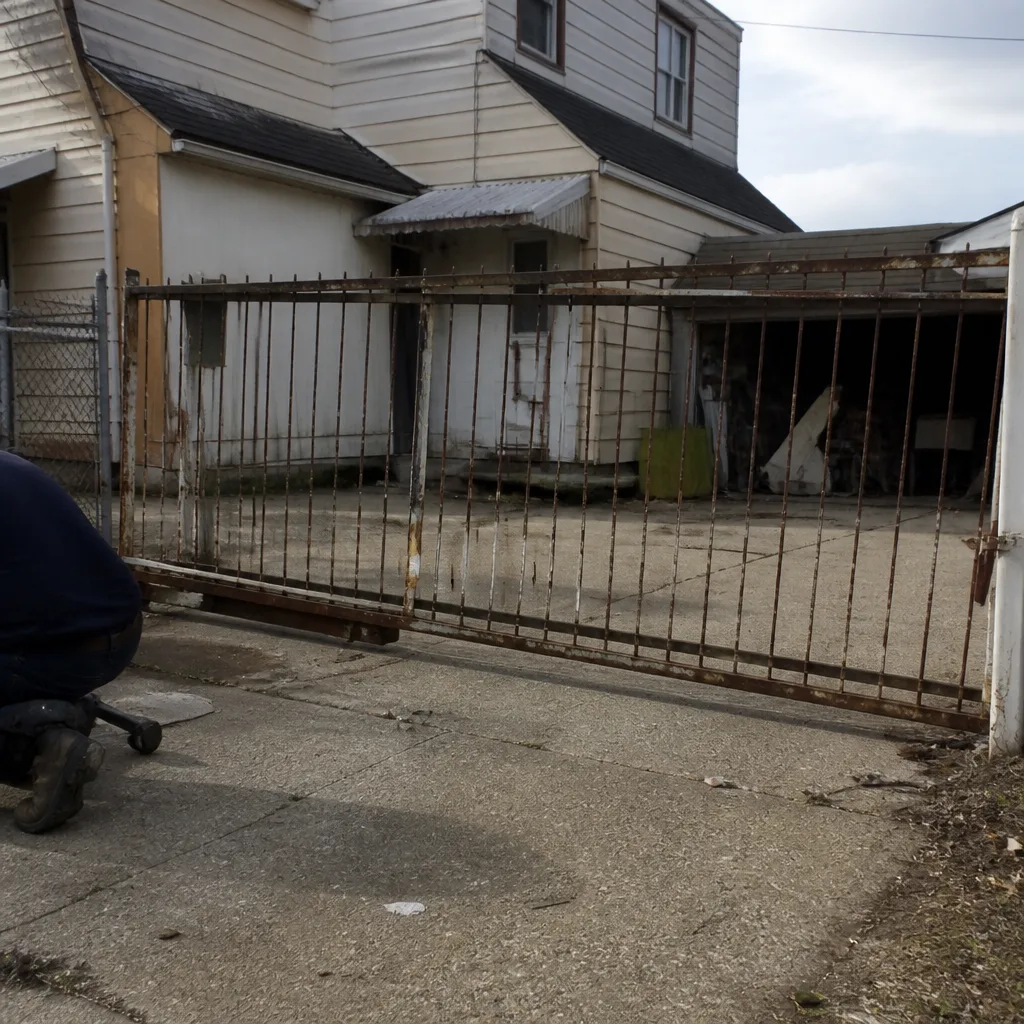
Ornamental iron and steel gates. These are strong, but they corrode at welds, fastener points, and any spot where the finish has chipped. Buffalo’s wet freeze-thaw cycle makes that worse: moisture settles into a hairline crack in the coating, freezes, and widens it, exposing more bare metal the next season. The failure mode is rust-jacking at joints, followed by a hinge or latch that seizes in the cold. The fix is usually cleaning and re-treating the corrosion, freeing and re-setting the seized hardware, and re-checking the frame for frost-heave tilt.
Wood privacy gates. Wood moves with moisture, and Buffalo swings from soaking snowmelt to deep freeze and back. The unique failure here is rot at the bottom rail and at ground contact, where wet clay soil keeps the wood damp longest. A wood gate can look solid from the front and be soft at the base. Hardware pulls loose from rotted wood, so a “loose hinge” is often a rot problem. Repair means evaluating the rot extent, replacing compromised members, and re-hanging hardware into sound wood.
Chain-link gates. These fail at the posts first, not the mesh. A chain-link gate on a frost-heaved post will bind against the frame even though the fabric is fine. The other recurring issue is hardware corrosion: hinges, latches, and tension bands rust and stiffen. The mesh itself usually outlasts everything around it. Fix the post alignment, free or replace the corroded hardware, and the gate works again.
In every case, the diagnosis question is the same: is this a material failure or an alignment failure? Given Buffalo’s ground movement, it’s alignment more often than most homeowners expect. That’s the core of our approach as a Buffalo Gate Repair specialist.
What Lake-Effect Snow Load Does to Sliding Gate Hardware
Horizontal sliding gates in Buffalo carry snow in ways that swing gates don’t. The gate panel itself is a horizontal surface area that collects drifts, and lake-effect bands can drop heavy, wet accumulation fast. That weight hangs on the rollers, the track, and the cantilever frame all season, and it loads unevenly as snow piles against one end of the gate.
The result is accelerated wear on components that are sized for the gate’s own weight, not for the gate plus a snow load. The failure modes we watch for:
- Roller wear and flat-spotting. Rollers crushed under repeated snow-load weight develop flat spots and stop rolling smoothly, which drags the operator and burns out motors.
- Track distortion. The bottom track absorbs the load, and long panels under snow can bow a lighter track.
- Cantilever frame stress. On cantilever sliders, the top beam carries the unsupported panel weight; snow piled at the far end magnifies that load.
- Freeze-in-place. Meltwater running off the gate refreezes at the track and roller contact points, locking the gate until it’s freed.
The practical takeaway for a Buffalo slider: hardware needs to be sized above the bare panel weight to survive snow-load seasons, and it needs inspection before winter, not after. If your operator strains or trips when the gate is loaded, don’t assume the motor is failing; the rollers and track carrying the load are the first thing to check. Keeping the travel path clear of piled snow reduces freeze-in-place calls more than anything else you can do as an owner.
Gate Specialist vs. Garage Door Company: Why Diagnostic Accuracy Changes
A garage door company that also touches gates is doing overflow work. The tools, training, and daily experience of that business go to garage doors, and gate calls are squeezed in between. That matters in a market like Buffalo, where the failure patterns are gate-specific: frost-heaved posts, snow-loaded sliders, corroded iron hardware, rotten wood rails. Those aren’t garage door problems, and the technician who spends most of the week on torsion springs and panel replacements isn’t building the pattern recognition that gate work demands.
A dedicated gate specialist is different in a few concrete ways:
- Diagnosis by brand knowledge, not guesswork. Electric gate operators have brand-specific behaviors. Viking and Ghost Controls systems, for example, throw different fault patterns and use different control logic, and DoorKing access-control systems handle entry and loop detection in their own way. A technician who works across these regularly diagnoses faster because the symptom maps to a known cause.
- No brand lock-in. A specialist repairs whatever system you already have. There’s no pressure to replace a unit just because it’s a brand the technician doesn’t recognize.
- Shorter diagnostic time. When 100 percent of the work is gates, the technician knows what to check and in what order.
- One visit for both sides. A mechanical failure and an electronic operator failure can be diagnosed together, so you’re not shuttling between two vendors.
Our positioning is deliberate: we’re a gate-only company, not a home-service business with a gate line item. That focus is why our technicians, with up to 15 years of experience, can usually tell the difference between a foundation problem and a hardware problem on the first walk-around. It also means we cover the full life of the gate, from electric gate repair through new installation. You don’t need a second vendor.
Electric and Automated Gate Failures in Buffalo Winters
Automated gates in Buffalo face conditions that mild-climate systems rarely see: cold that stiffens lubricants, snow that adds load, ice that fouls sensors, and voltage that sags in the cold. The most common winter failures fall into a few recognizable groups.
Operator strain and motor faults. When a sliding gate’s rollers are stiff or snow-loaded, the operator works harder. On brand-specific systems, that shows up as repeated safety reversals, trips, or a motor that won’t complete a cycle. The operator is often reporting a load problem, not failing itself.
Safety sensor and safety edge faults. Photoelectric sensors and safety edges fail in Buffalo winters when snowbanks, ice, or reflected light confuse them. A gate that won’t close is frequently a safety sensor reading an obstruction that isn’t there. These systems are wired and powered, so the right move is diagnosis, not DIY probing.
Control board and remote issues. Moisture finding its way into control housings, cold-related faults on boards, and remotes that lose their pairing are all common. DoorKing and Elite systems handle control logic their own way, so knowing the brand shortens the path to the fault.
Access control problems. On commercial systems, the entry, keypad, and loop-detection side can fail independently of the gate itself. A gate that opens with a remote but not with a card reader is an access-control diagnosis, not a gate-mechanism diagnosis.
Safety caveat. An automated gate’s operator wiring, power supply, safety sensors, and safety edges are electrical and mechanical systems that can hurt someone if handled wrong. Heavy panels can crush, and a slide gate that jumps its track is dangerous to anyone in its path. We recommend a trained technician for anything involving the operator’s power, wiring, or safety devices, and for freeing a gate that’s jammed under load. That’s the work we do every day, and it’s a job for someone who respects it.
Repair or Replace? A Framework Built Around Buffalo Corrosion Timelines
The repair-or-replace question is where general advice fails Buffalo owners. Guides written for mild climates assume a slow, predictable decay. Here, corrosion and rot accelerate through freeze-thaw and wet clay, so a gate’s usable life depends heavily on its material, its exposure, and its foundation. Use this framework instead of a generic “repair if it’s under X years” rule.
- Is the foundation sound? If the post or footing is heaved or failing, that’s a repair decision about the foundation. Iron and chain-link gates are worth resetting on a good foundation; a wood gate with widespread rot may not be.
- How much of the gate is structurally compromised? Isolated corrosion at a hinge or latch is repairable. Pitting and rust-jacking across the frame, or rot through multiple rails, points toward replacement.
- Is the failure mechanical or electronic? Operators, control boards, sensors, and motors are replaceable components, and replacing the failing part often restores the gate. Don’t replace a whole system over one bad board.
- What’s the exposure? A gate that sits in a low spot where meltwater pools will corrode and rot faster than one on higher, draining ground. Improving drainage and re-setting the post protects the whole gate.
- Does the hardware match the load? Sliding gate hardware sized for a mild climate won’t survive Buffalo snow loads. If repeated roller and track failures point to under-sized hardware, replacing that hardware solves what repair can’t.
The bottom line: repair when the foundation can be restored and the failing parts are components. Replace when structural material is compromised across the gate or the hardware is fundamentally wrong for the load. If you’re unsure, ask for a foundation-first assessment before committing to anything.
What Gate Repair Costs in Buffalo
Gate repair pricing is set per job, because a foundation reset and a sensor replacement aren’t the same task. We don’t publish flat rates, and we don’t quote over the phone without seeing the gate. What we can tell you is how we price: after inspecting, we give you a written estimate, and the price is quoted and agreed before any work starts. The estimate is free.
That said, the factors that determine cost are consistent, and knowing them helps you plan:
- Foundation work. A post reset or footing correction is the most involved repair and usually the largest line item, because it involves digging, correcting soil drainage, and re-setting the frame.
- Hardware repair or replacement. Hinges, rollers, tracks, and latches are smaller line items, though a full roller-and-track replacement on a snow-loaded slider runs more than one hinge.
- Operator and control work. Electric gate repair pricing depends on whether the fault is a sensor, a board, a motor, or access control. Diagnosis comes first.
- Material. Re-treating iron for corrosion and replacing wood members price differently, and the extent of damage drives the number.
- Brand. Some operator brands reach a clear diagnosis faster, which keeps the repair decision simple.
What we won’t do is pad a mechanical repair with work the gate doesn’t need. Because our technicians specialize in gates and know the major brands, the diagnosis usually lands on the actual fault rather than a trial-and-error parts swap. For an exact number on your gate, call us for a free estimate. We quote before we touch the gate, and the written estimate is the price.
How a Professional Gate Repair Visit Works, Step by Step
A gate repair visit in Buffalo follows a sequence designed to find the root cause before touching anything. Here’s how one goes:
- Walk the gate and the ground. We start with post plumb, footing condition, and alignment, because in Buffalo the foundation is suspect first.
- Operate the gate and observe. We run the gate by hand and, if automated, on its operator to see exactly where it binds, drags, or trips.
- Check the hardware. Hinges, rollers, tracks, and latches get inspected for wear, corrosion, and freeze damage, and for whether they’re sized for the snow load they carry.
- Diagnose the operator and controls. On automated gates, we check the motors, control boards, safety sensors, safety edges, and remotes by brand, using the system’s own logic to isolate the fault.
- Write the estimate. We explain what’s wrong, what the fix is, and what it costs, and the price is agreed before any work begins.
- Repair and test. We do the work and run a full cycle test, including the safety devices, before we leave.
This sequence is why a single visit often resolves both a mechanical and an electronic problem. It also tells you quickly whether the job is a small hardware fix or a foundation reset. If you want a team that runs this sequence on your gate, Buffalo homeowners and property managers call us for a free estimate.
Common Mistakes to Avoid
- Adjusting hinges before checking the post. If the post has heaved, a hinge adjustment fights the misalignment and fails within weeks. Check foundation and alignment first, always, in Buffalo.
- Greasing a gate that’s actually frozen. Winter binding is often ice at the rollers or track, not a lubrication problem. Adding more grease doesn’t help and can trap grit.
- Ignoring a slide gate’s snow load. Letting snow pile against a horizontal slider overloads the rollers and track and can burn out the operator. Clear the travel path before the load builds.
- Assuming the operator is dead when the gate is stiff. A motor that won’t complete a cycle is often reporting a load problem in the rollers or track. Replace the operator without fixing the underlying drag and the new one fails too.
- Probing a safety sensor or control board yourself. These are powered electrical systems. Diagnosing them is a job for a technician who respects what’s inside the housing.
- Letting rust or rot spread before it’s treated. In Buffalo’s freeze-thaw cycle, a chipped coating or soft bottom rail gets worse each season. Treat corrosion and rot early, while the repair is still small.
- Hiring a garage door company that treats gates as a side job. Gate failure patterns here are specific, and they don’t match garage door experience. Specialization changes the diagnosis and the outcome.
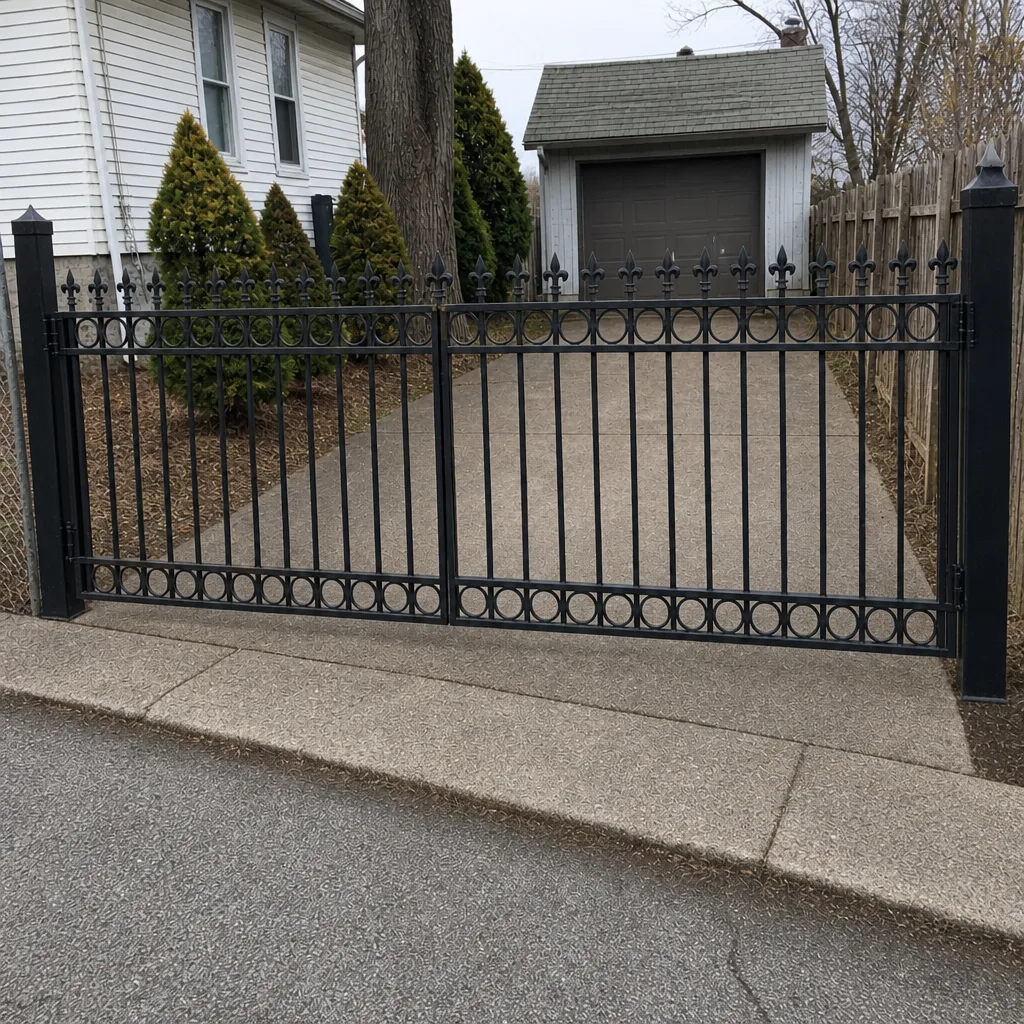
See the difference
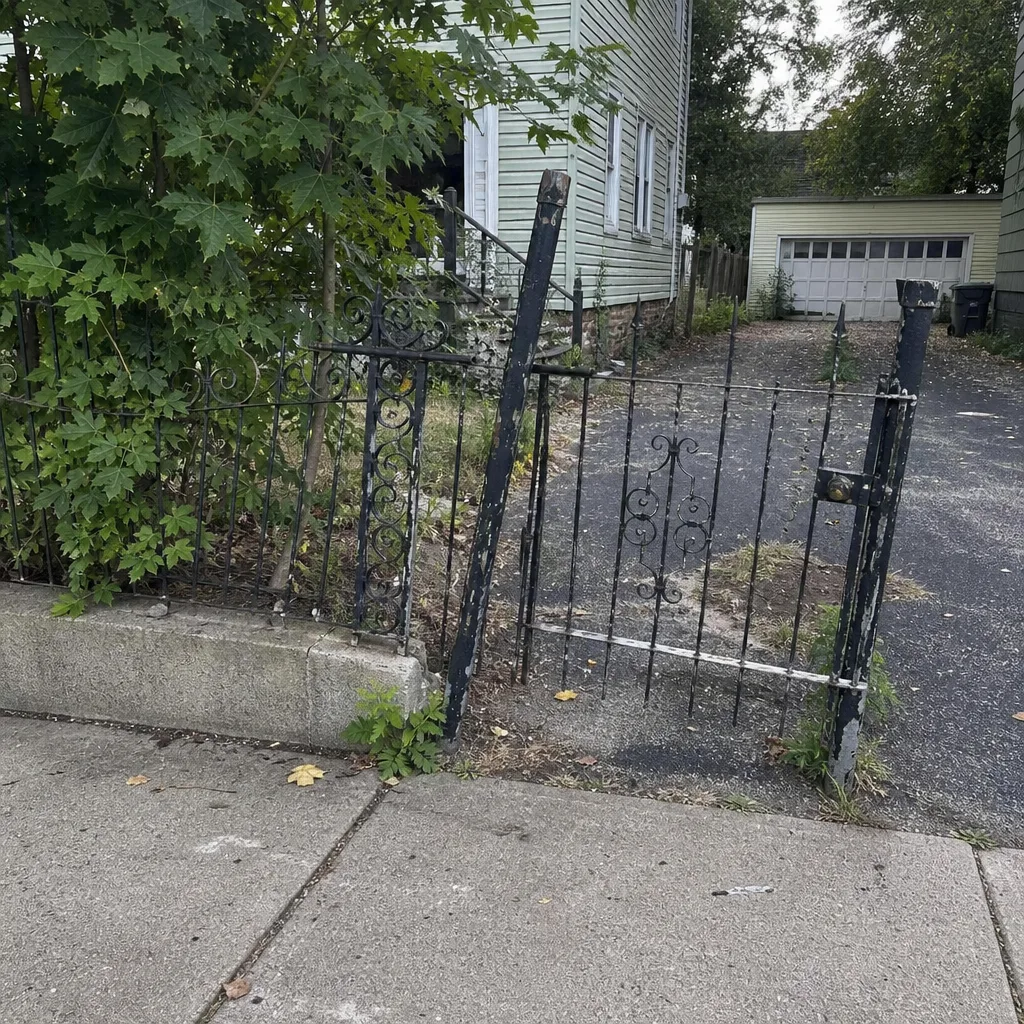 Before
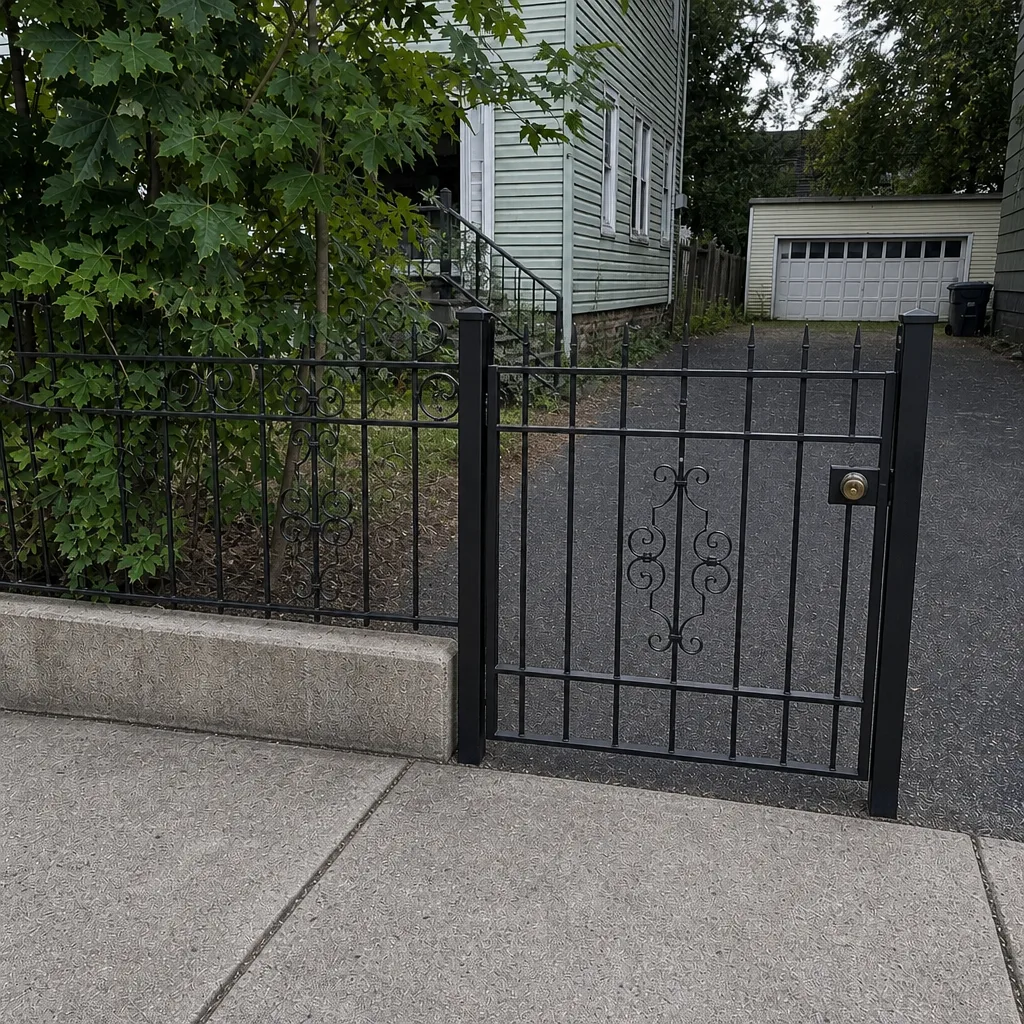 After
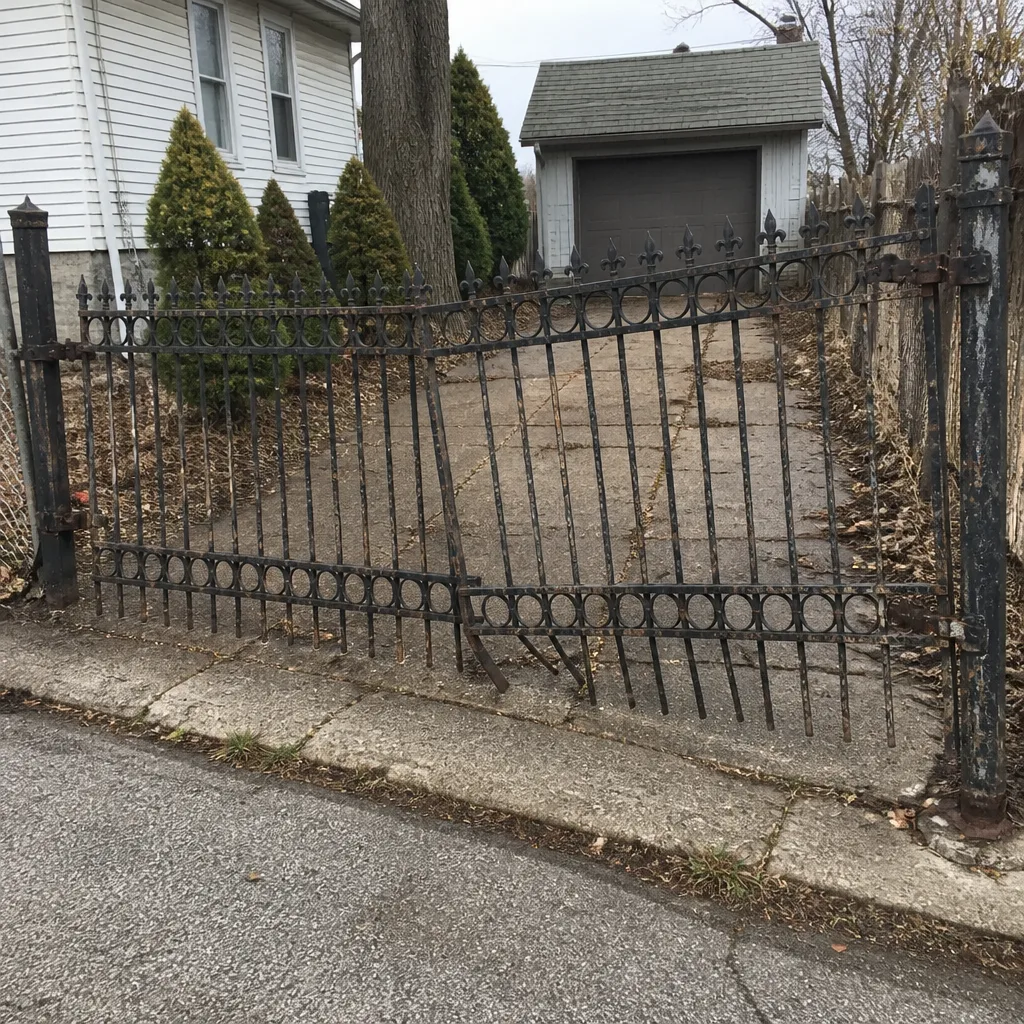 Before
 After
 Before
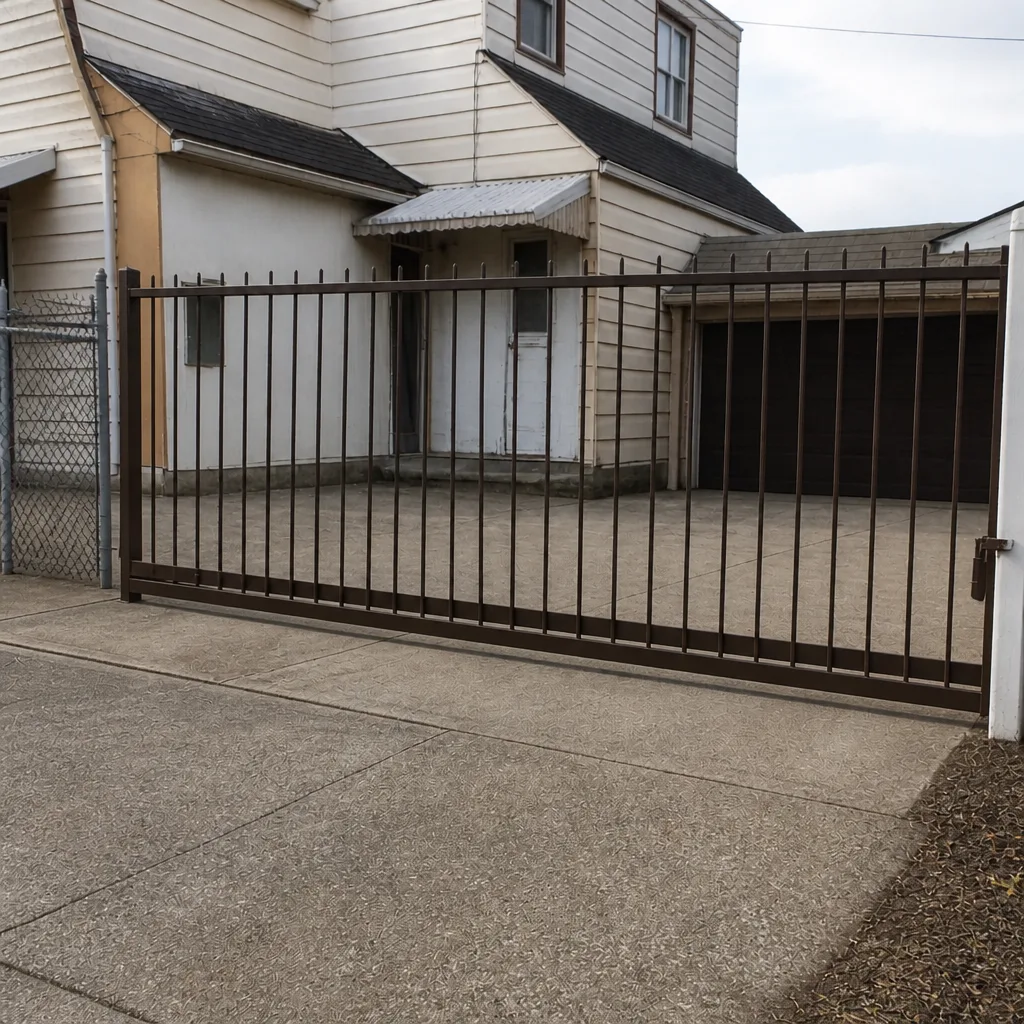 After
When to Call a Professional
Some gate problems call for a specialist, and it’s better to know which ones. Call a professional if the gate has stopped latching in cold weather, if a post visibly leans, if the gate binds only when mounted and loaded, or if it drags or jams on the ground. Call if an automated gate won’t complete a cycle, if the safety sensors or safety edge keep the gate from closing, if a slide gate has jumped its track, or if you smell burning, see damaged wiring, or notice the operator straining. For anything involving the operator’s power, wiring, or safety devices, and for freeing a loaded or jammed gate, a trained technician is the right call. Buffalo Gate Repair offers free estimates in Buffalo – call (877) 283-9515. We answer 24/7. Fast dispatch from 7am to 7pm, Sunday through Friday.
Frequently Asked Questions
Gate repair in Buffalo is priced per job by a written estimate, and the price is quoted and agreed before any work starts. The final number depends on whether the fault is a foundation reset, a hardware repair, or an operator and control issue, and we give the free estimate after inspecting the gate. Call (877) 283-9515 for an exact quote – estimates are free.
Seasonal binding is almost always frost heave: the post lifts or tilts as the ground freezes, throwing the gate out of alignment, and the hardware follows. It can also be ice at the rollers or track. Either way, the fix starts with checking post alignment and freeing the cold-bound hardware, not adjusting a hinge. Call (877) 283-9515 to have it diagnosed.
Yes. We work on the systems homeowners and property managers already own, including Viking and Ghost Controls residential operators and DoorKing and Elite access-control systems, and we’re trained on nine leading gate and operator brands overall. There’s no brand lock-in and no pressure to replace a unit just because it’s unfamiliar. Call (877) 283-9515 for a free estimate.
Many repair calls can be handled same-day, since a specialist can diagnose both mechanical and electronic faults in one visit. Dispatch runs from 7am to 7pm, Sunday through Friday. Larger foundation resets or parts that need ordering are scheduled. Call (877) 283-9515 and we’ll set it up.
A visit includes a foundation and alignment check, a hands-on operation test, an inspection of hinges, rollers, tracks, and latches, a brand-specific diagnosis of the operator and controls, and a written estimate before any work starts. That sequence is what lets one visit resolve both a mechanical and an electronic problem. Call (877) 283-9515 for yours.
Repair if the foundation can be restored and the failing parts are components like hardware, an operator, or a control board. Replace when structural material like iron or wood is compromised across the gate, or when sliding hardware is under-sized for the load. A foundation-first assessment tells you which it is. Call (877) 283-9515 for a free estimate.
Yes. Electric gate repair covers the operator, control boards, safety sensors, safety edges, and remotes, and we recommend a trained technician for this work because those systems are powered and the panels can hurt someone. We diagnose and repair the electrical and safety side, not just the mechanics. Call (877) 283-9515 to book a visit.
The Bottom Line
Buffalo gate failures are mostly ground problems, not worn parts. Frost heave displaces posts, lake-effect snow loads stress sliding hardware, and wet clay accelerates corrosion and rot. Diagnosis starts at the foundation, then moves to hardware and the operator. A dedicated gate specialist who knows the major brands finds the root cause faster than a garage door company treating gates as side work. Repair when the foundation and components can be restored; replace when structural material is gone or the hardware is wrong for the load. When you need it done right, Buffalo Gate Repair offers free estimates. Call (877) 283-9515. We answer 24/7. Fast dispatch from 7am to 7pm, Sunday through Friday.
Written by the team at Buffalo Gate Repair.