
Last updated November 15, 2026
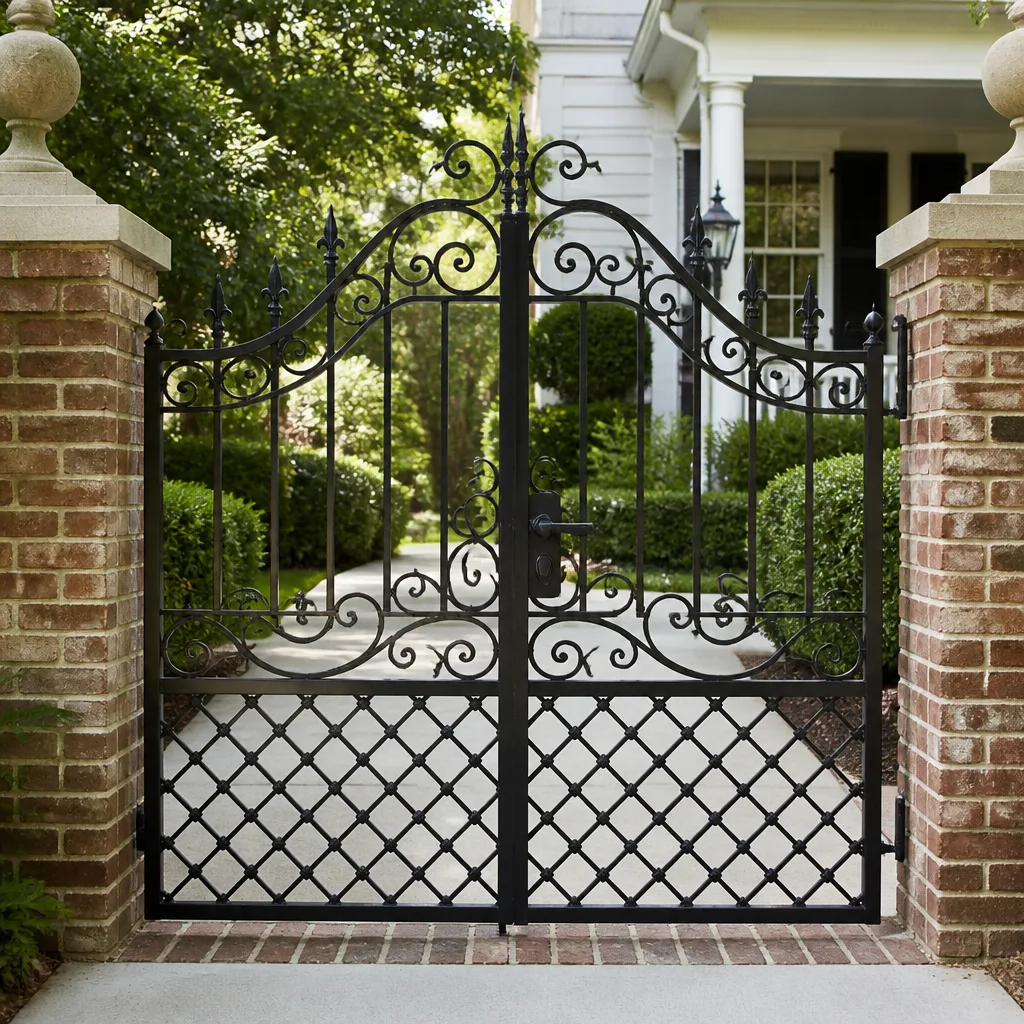 Wrought iron
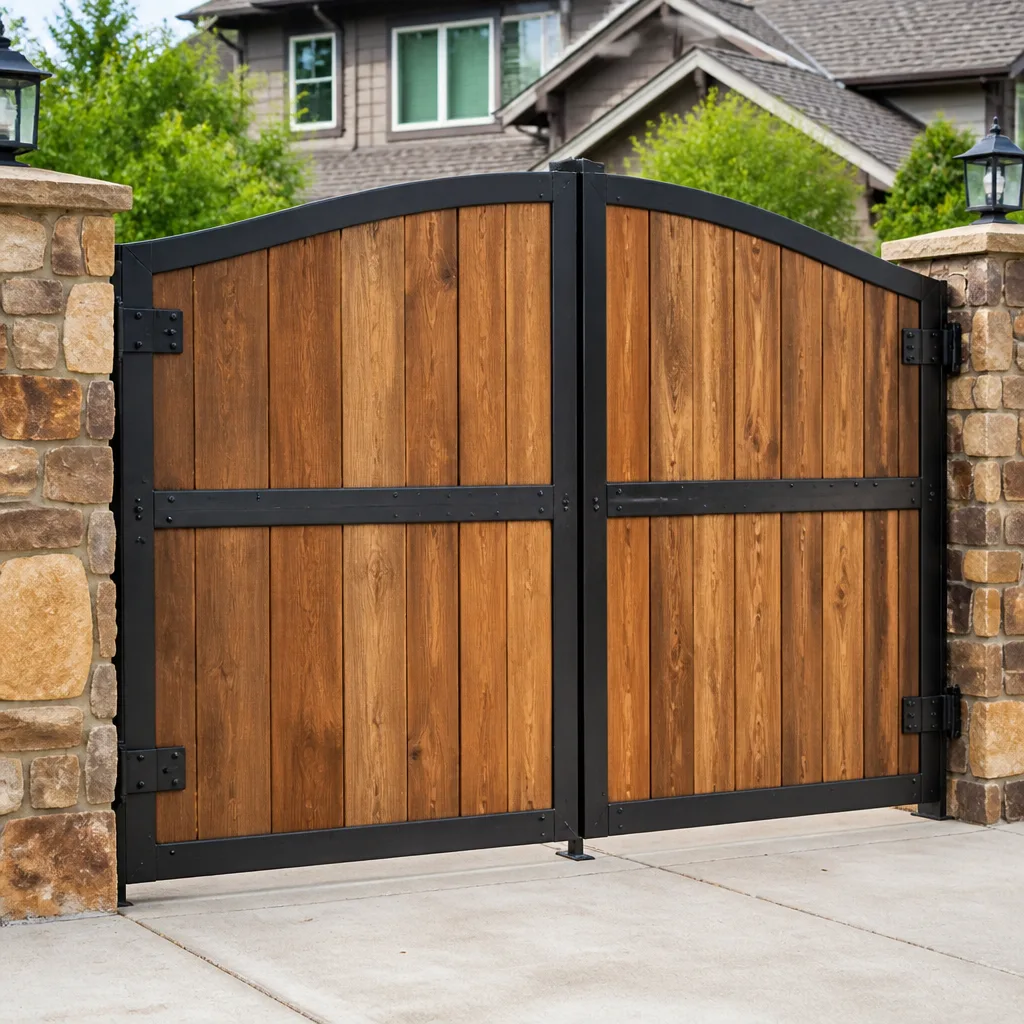 Wood & steel frame
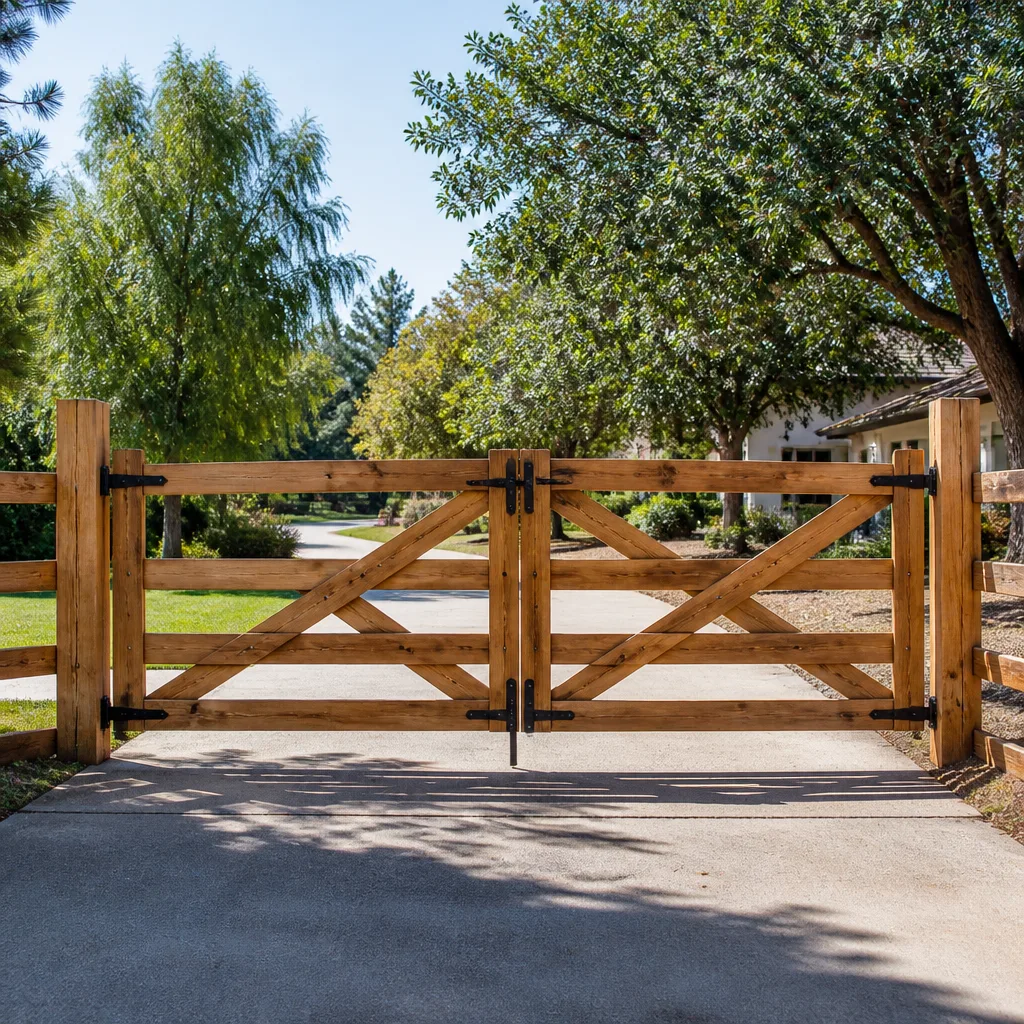 Farm & ranch
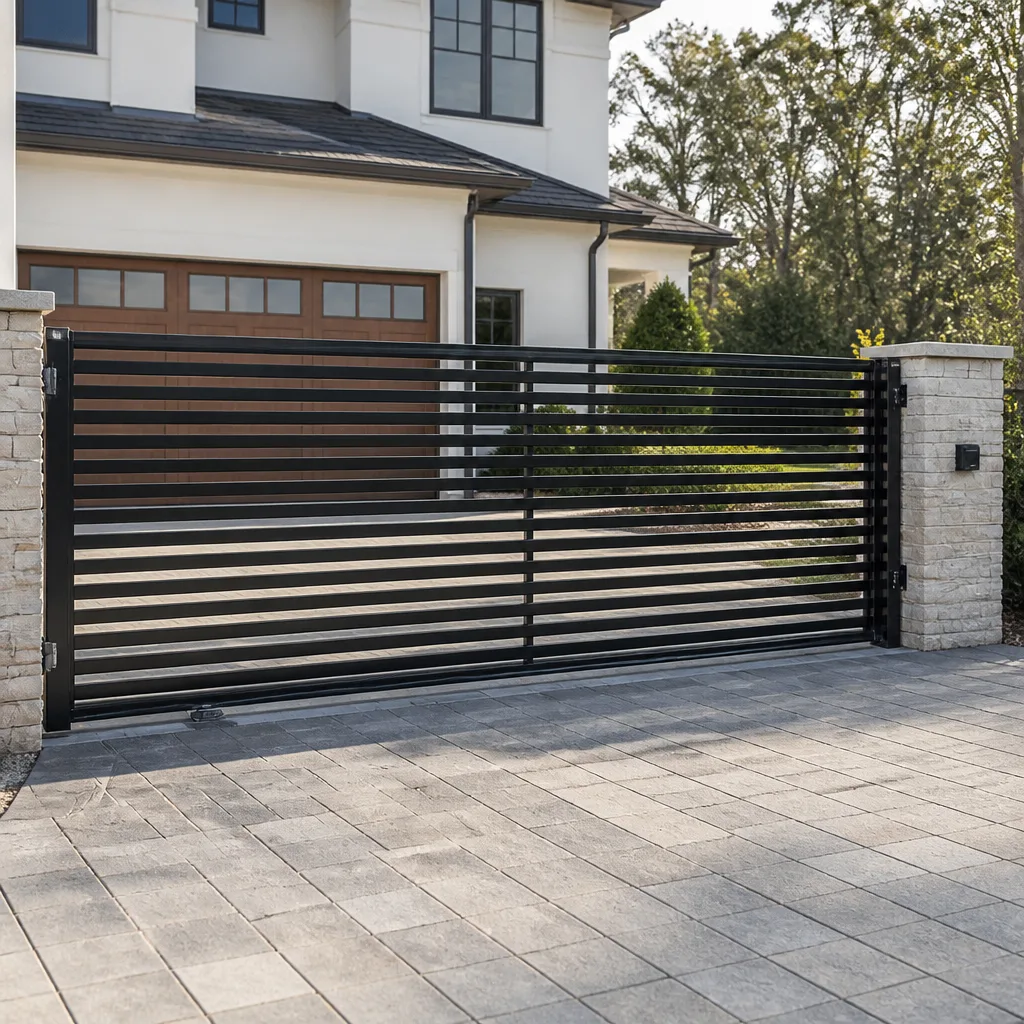 Sliding driveway gates
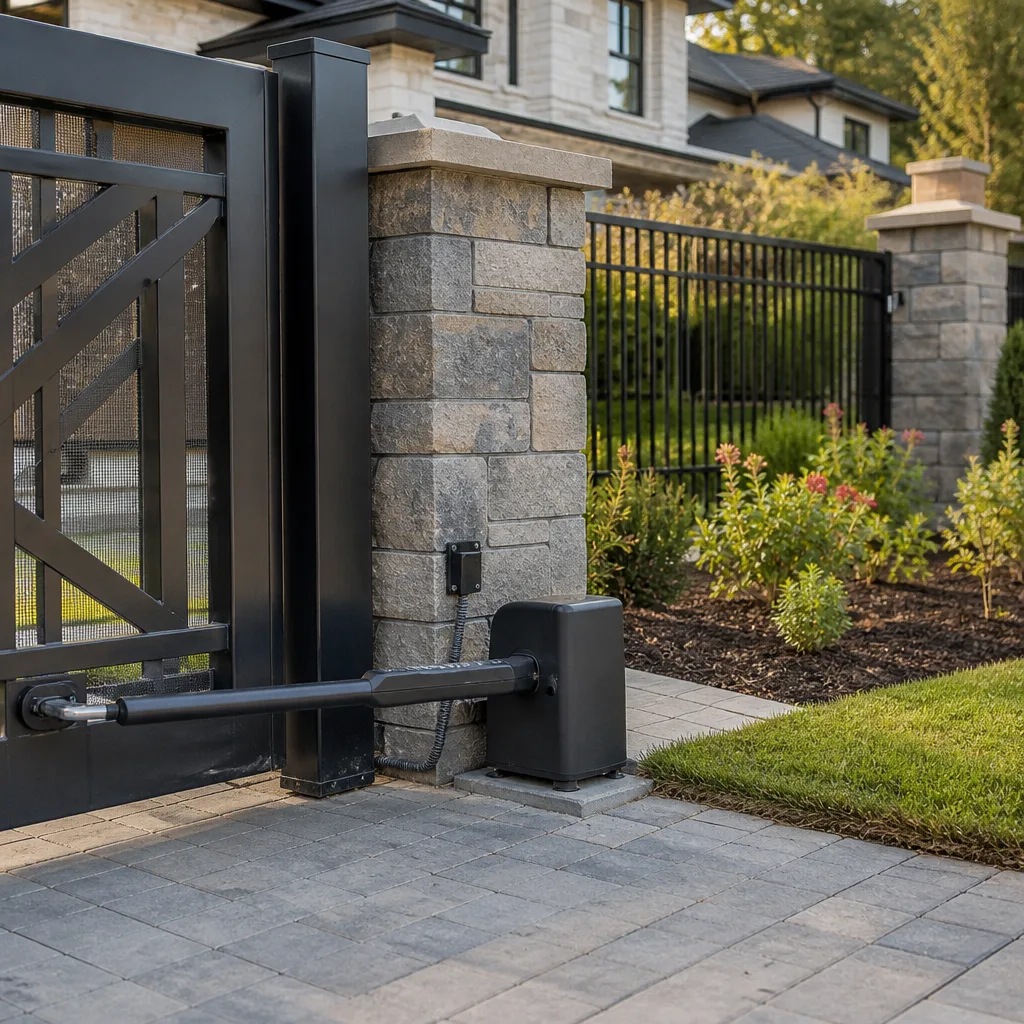 LiftMaster operators
Free on-site gate assessment - hinges, posts, and your LiftMaster or Nice gate operator checked before anything is quoted
The assessment is free and the quote is the invoice.
Get your free estimateChoosing the Right Gate Repair Brand: A Buyer’s Guide for Buffalo
One of the most expensive mistakes a Buffalo homeowner can make isn’t choosing the wrong gate. It’s choosing the wrong operator brand. Buying a unit that requires factory-direct parts feels fine on installation day and becomes a genuine problem in February, when a gate stops working and standard shipping is already a week out. Buffalo winters don’t negotiate, and an operator rated for a mild climate will tell you so at the worst possible moment. This guide covers what actually matters when you pick a gate brand in Western New York: which brands have real regional parts availability, how temperature ratings work versus Buffalo’s sub-zero stretches, duty cycle matching, cold-climate wear patterns, and how to check a brand’s local service network before you buy rather than after your first breakdown.
Quick Answer
The right gate brand in Buffalo is the one with regional parts availability, an operator rated for the temperatures your driveway actually sees, and a published duty cycle that matches how often your gate opens. Features and sticker price matter less than whether a local technician can get parts in days rather than weeks and whether the unit is built for Erie County winters. In practice, that narrows the field quickly.
Styles & brands we work with
- Wrought iron
- Wood & steel frame
- Farm & ranch
- Sliding driveway gates
- LiftMaster operators
Table of Contents
- Which Gate Brand Parts Are Actually Available in the Buffalo Market?
- Temperature Ratings: What Gate Operators Are Really Tested To
- Duty Cycle Matching: Why Your Gate’s Daily Openings Matter
- Cold-Climate Failure Patterns Buffalo Technicians See Repeatedly
- How to Check a Brand’s Local Service Network Before You Buy
- Reading a Brand’s Spec Sheet Like a Technician
- A Step-by-Step Brand Evaluation Checklist
Which Gate Brand Parts Are Actually Available in the Buffalo Market?
Most major gate and operator brands have some regional parts presence in the Buffalo-Erie County market, but “some” is doing heavy lifting in that sentence. What separates brands isn’t whether parts exist somewhere in the country. It’s whether a control board, limit switch, or safety sensor can reach a Buffalo driveway in a few days or whether it takes a factory-direct order. That difference is invisible at purchase and decisive at breakdown.
In our experience servicing gate systems across Buffalo, the brands with the steadiest local parts flow tend to be the ones that also have broad dealer and distributor networks across the region. LiftMaster, Linear, and Elite parts are generally the most straightforward to source through regional channels, and Viking units have reasonably reliable parts access as well. Others, like DoorKing, sit more toward the commercial access-control side, where parts channels exist but tend to be narrower and sometimes run through authorized distributors rather than open supply.
That matters because gate failures don’t schedule themselves around your convenience. When you call for gate repair in the middle of a cold snap, the first question a technician answers is “what’s the part, and can I get it in this week?” If the answer is a factory-direct order with standard shipping, even a straightforward fix can stretch out. If the part is in regional stock, the same fix can often happen quickly.
Three things to check before you commit to a brand:
- Whether the brand has regional distributor coverage in Western New York, not just national presence.
- Whether common wear parts (control boards, limit switches, safety sensors, rollers) are stocked by local suppliers or ordered case-by-case.
- Whether the brand publishes parts diagrams and part numbers so a technician can identify what’s needed during the visit rather than after.
This is exactly the kind of question a dedicated gate specialist answers differently from a generalist. A company that works on gates every day knows which brands move fast locally and which ones drag.
Temperature Ratings: What Gate Operators Are Really Tested To
Here’s a fact that surprises a lot of Buffalo homeowners: many residential gate operators are rated to roughly 0°F, not below. A standard rating in that range is common across the residential category. Buffalo’s regular winter readings routinely push past that number, sometimes for days at a stretch. The unit isn’t lying on the spec sheet. It’s simply being asked to work outside the conditions it was tested to.
What usually happens in the cold is predictable. Motors work harder against stiffer mechanical resistance. Battery-backed systems lose capacity. Grease thickens in the gearbox and on the rail. Control boards can behave erratically when the temperature swings hard between day and night. None of these are brand-specific failures; they’re temperature-driven ones, and they explain a lot of the winter service calls that come through Buffalo.
What should you actually look for? A few things:
- An operator with a stated operating temperature range that includes Buffalo’s typical winter lows rather than stopping at 0°F.
- Cold-rated accessories (battery units, low-temperature grease specs, temperature-rated sensors) where the manufacturer offers them.
- Clarity in the spec sheet about how the rating was established, not just a single number with no context.
Not every brand publishes this with the same clarity. Some do, especially at the commercial tier. Others gloss over it, and you only find out by looking at the technical manual or by asking your installer directly. If a brand’s cold-weather performance isn’t documented, treat that as a question to raise rather than assume “it’s fine.”
The practical version of all this: when you’re buying a gate system for a Buffalo property, ask the operator’s working temperature spec directly. Then ask whether the gate hardware (hinges, rollers, latches) is specced for cold too. An operator that survives February still gets dragged down by gate hardware that doesn’t.
Duty Cycle Matching: Why Your Gate’s Daily Openings Matter
Duty cycle is the number of open-close cycles an operator is rated to handle over a defined period. It’s the single most overlooked spec in residential gate buying, and it’s the one that most directly determines how long your gate operator will actually last. A gate opened twice a day needs a very different operator class than a gate at a busy commercial driveway that cycles six to ten times or more.
The mismatch is common. A homeowner picks a unit on features and price, the gate opens twice a day, and everything’s fine. Six months later the same property becomes a small business, the gate starts cycling regularly, and the operator that was fine at low use starts overheating, binding, or tripping its thermal protection. That’s not a broken operator. It’s an operator doing a job it wasn’t specified for.
Which brands are clearest about this? In our experience, DoorKing publishes duty cycle specs clearly, which makes it easier to match the operator to the application rather than guess. LiftMaster and Elite also generally state duty cycle and cycle ratings on their spec sheets with enough detail to make an informed call. Brands that bury or omit this information force you into educated guessing, which isn’t the position you want to be in when the gate is critical to your property.
Two ways to approach the decision:
- Count your actual cycles. How many times does the gate open per day, averaged across a week? Then double it for close cycles. Residential driveways that see two cars in and out land around 4-8 cycles daily. Small commercial driveways can run 20-50 or more.
- Match, then add margin. Pick an operator rated comfortably above your count, not right at it. Cold weather increases effective load, so the buffer matters more in Buffalo than in a mild climate.
If you’re not sure of your real cycle count, count them for a week. It’s a more useful number than any marketing spec.
Cold-Climate Failure Patterns Buffalo Technicians See Repeatedly
None of these are criticisms of any brand. They’re wear patterns that emerge from operating gate systems through Buffalo winters, and knowing them helps you plan ahead and recognize trouble early.
Control board failures in temperature swings. Boards generally don’t fail in the summer; they fail when moisture and temperature cycling stress solder joints and connections. This is the most common electrical failure we see in Buffalo, and it hits every brand to some degree. Brands with better-sealed enclosures and clearer board-level documentation are easier to diagnose and fix.
Battery backup underperformance. Battery capacity drops in cold. A backup that holds up through most of the year can go flat by January. If you rely on battery backup for access during power failures, this is worth checking before winter rather than after.
Safety sensor misreads. Photo-eye sensors on automated gates can get fogged, frosted, or knocked out of alignment. When they misread, the gate stops or reverses, and the symptom looks like a control board problem until a technician checks the sensors first. This pattern comes up constantly with systems like Ghost Controls, where sensor alignment is a frequent fix.
Grease and hinge binding. Cold greases stiffen and gate hardware binds. Sometimes the operator isn’t failing at all; the gate swing is just harder than it used to be. Adjusting the gate’s mechanical alignment often restores function without touching the operator.
Roller and track wear on slide gates. Slide gate rollers and tracks take a beating through freeze-thaw cycles, and by the second or third season the gate can jump track or start dragging. This is a mechanical fix, not an electrical one, but it’s a very Buffalo pattern.
One of the practical advantages of working with a dedicated gate specialist is that these patterns repeat across the electric gate repair calls we handle. Diagnosing them is faster when the technician has seen the same pattern across multiple brands and multiple properties.
How to Check a Brand’s Local Service Network Before You Buy
The worst time to learn a brand has no local service coverage is the day your gate stops working. Checking this before purchase is the single most valuable pre-buy step, and it takes less time than people expect.
Start with these questions:
- Call a gate specialist first. Call the company you’d want to service the gate and ask, “Do you work on this brand?” Get a direct yes or no. A generalist home-service company will often say “we’ll figure it out,” which is a sign to keep looking.
- Ask how parts get sourced. “Local distributor or factory direct?” is the key question. If it’s factory direct, ask how often that’s been needed and how long it typically takes.
- Ask about diagnostics, not guarantees. A brand with strong local support means one technical visit can diagnose and often fix in the same trip. A brand with thin support means diagnosis happens in one visit and repair in another.
- Check the manual before you buy. A brand that publishes clean technical manuals, wiring diagrams, and parts lists is easier to service than one that doesn’t. This is one of the simplest signals of a well-supported brand.
- Ask the specialist what they see failing. A technician who works on gates in Buffalo every week can tell you which brands come back repeatedly, which brands are essentially problem-free, and which parts they replace most often in cold climates. That’s the kind of pattern knowledge you can’t get from a spec sheet.
The last point is worth emphasizing. Brand-agnostic gate specialists work on whatever system you already own, so they have no reason to steer you toward one brand over another. What they can do is tell you what they’ve actually seen, which is more useful than any manufacturer’s literature.
Reading a Brand’s Spec Sheet Like a Technician
Gate brand spec sheets are written for installers, and they contain almost everything you need if you know where to look. Here’s how a technician scans one.
Temperature range. Look for a stated operating temperature in the technical sheet, not just the marketing page. If it’s only listed in the manual, that’s still fine. If it appears nowhere, ask the installer directly.
Duty cycle and cycle rating. Look for cycles per hour or per day, and the classification the unit falls into. Residential vs. commercial vs. heavy industrial matters far more than most buyers realize.
Motor type and gearbox. A brand that clearly specifies its motor and gearbox construction is easier to diagnose and repair later than one that keeps it vague.
Parts documentation. Parts diagrams with part numbers, in the manual or on the brand’s site. This is the difference between a part arriving in three days and arriving in three weeks.
Accessory ecosystem. Whether the brand supports the accessories you need (safety sensors, battery backup, remote systems, access control integration). A strong ecosystem matters more for commercial applications with access control requirements, where brands like DoorKing tend to have deeper integration options.
Warranty terms with specifics. Note whether warranty coverage is clearly stated. This prompt doesn’t supply them, so if you’re comparing, get the exact terms in writing rather than assuming.
This isn’t about becoming an expert. It’s about asking a short list of specific questions before you commit, and understanding when your installer is giving you a real answer versus a shrug.
A Step-by-Step Brand Evaluation Checklist
Here’s the practical order of operations for choosing a gate brand in Buffalo, whether you’re replacing an existing system or speccing one for a new install.
- Define the application. Residential driveway or commercial access point? How many cycles per day? Any access control integration requirements?
- Check temperature rating against Buffalo winters. Confirm the operator’s stated operating range, and ask what accessories are cold-rated.
- Confirm duty cycle is at least 50% above your cycle count. Not nominal match. Real margin, because winter is harder on the equipment.
- Call a gate specialist and ask the brand question directly. “Do you work on this brand? How do you source parts for it?” Get a clear answer.
- Ask about regional parts flow. Specifically, which common parts are locally stocked and which are special-order.
- Read the manual. Parts diagrams, wiring diagrams, cycle rating clarity. If it’s a mess, that’s a data point.
- Get a written estimate for the installation. Agreed and quoted before work begins. Final price is set by that written estimate.
This checklist doesn’t take long, and it separates a solid brand choice from a guess. Most of the Buffalo gate brands people ask about – LiftMaster, FAAC, BFT, Linear, Viking, Ghost Controls, DoorKing, Elite, and Mighty Mule – can work well when matched to the right application, and most of them can cause real headaches when they aren’t. The brand is only half the decision. The application fit is the other half.
This is also where a dedicated gate specialist earns their place. A multi-trade company treats gate work as one item on a long list of services. A gate-only company brings pattern recognition from every job they do. When a technician can diagnose both mechanical gate failures and operator electronics in one visit, you spend less time without a working gate. That matters in Buffalo.
Common Mistakes to Avoid
- Choosing on features and price alone. Features you don’t need and a low sticker price can’t offset a brand with no regional parts flow. The savings evaporate the first time a control board needs a factory-direct order in February.
- Ignoring the temperature rating. Most residential operators are rated to roughly 0°F. If you’re speccing a gate in Buffalo, check that rating against real winter readings before you commit, not after.
- Mismatching duty cycle. A unit sized for two cycles per day will fail early on a gate that cycles eight to ten times. Match the duty cycle to the real application and leave margin.
- Skipping the “do you work on this brand?” call. One phone call before purchase tells you more than every review you’ll read. Ask a specialist directly and get a plain yes or no.
- Assuming a general home-service company is equivalent. A company that does gates as a side service will take longer to diagnose brand-specific issues because they don’t see them often enough. Ask whether gate work is the whole business.
- Over-auto-accessorizing before you’ve validated the base system. Remote systems, sensors, and access control are worth adding, but only once you’ve confirmed the operator itself fits your cycle count and climate.
- Assuming winter failures are the brand’s fault. A control board failure in January usually traces back to temperature swings and moisture, not to a defective unit. Diagnose the cause before you replace the system.
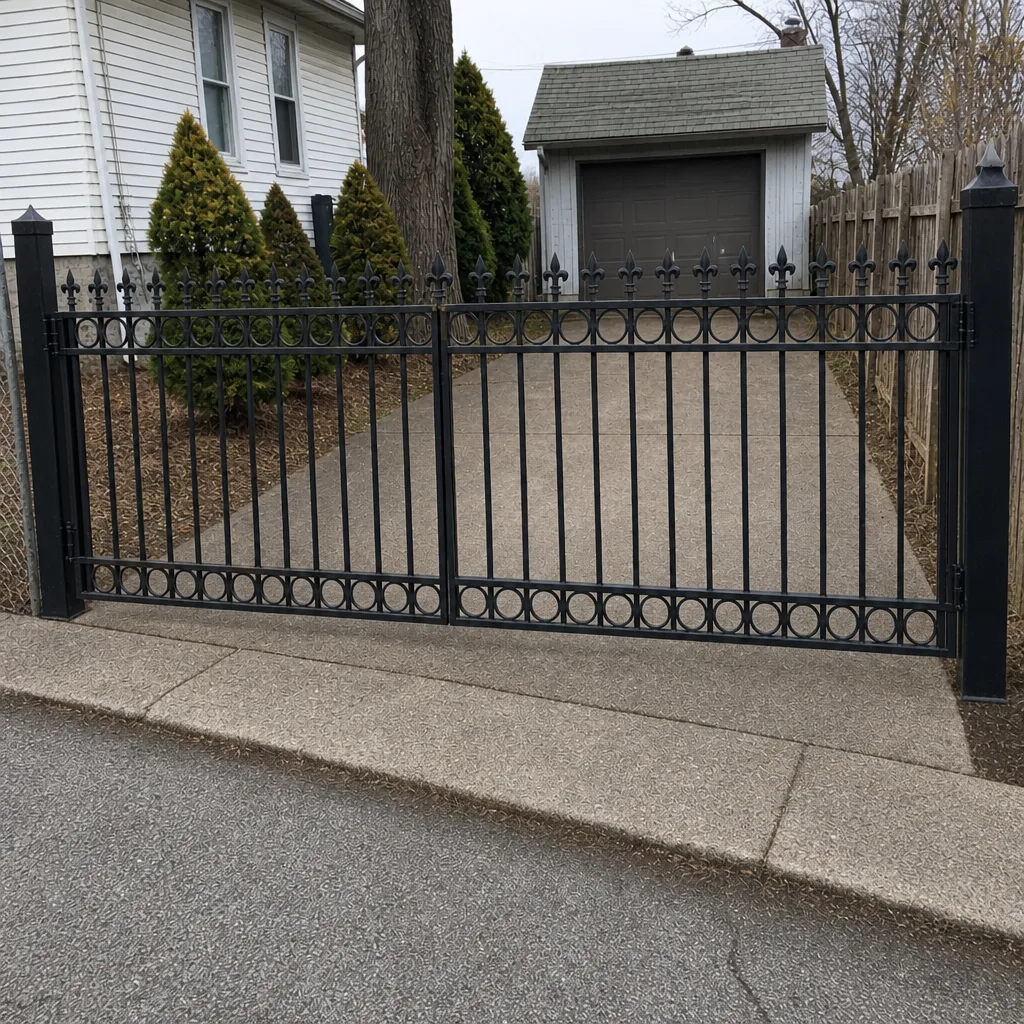
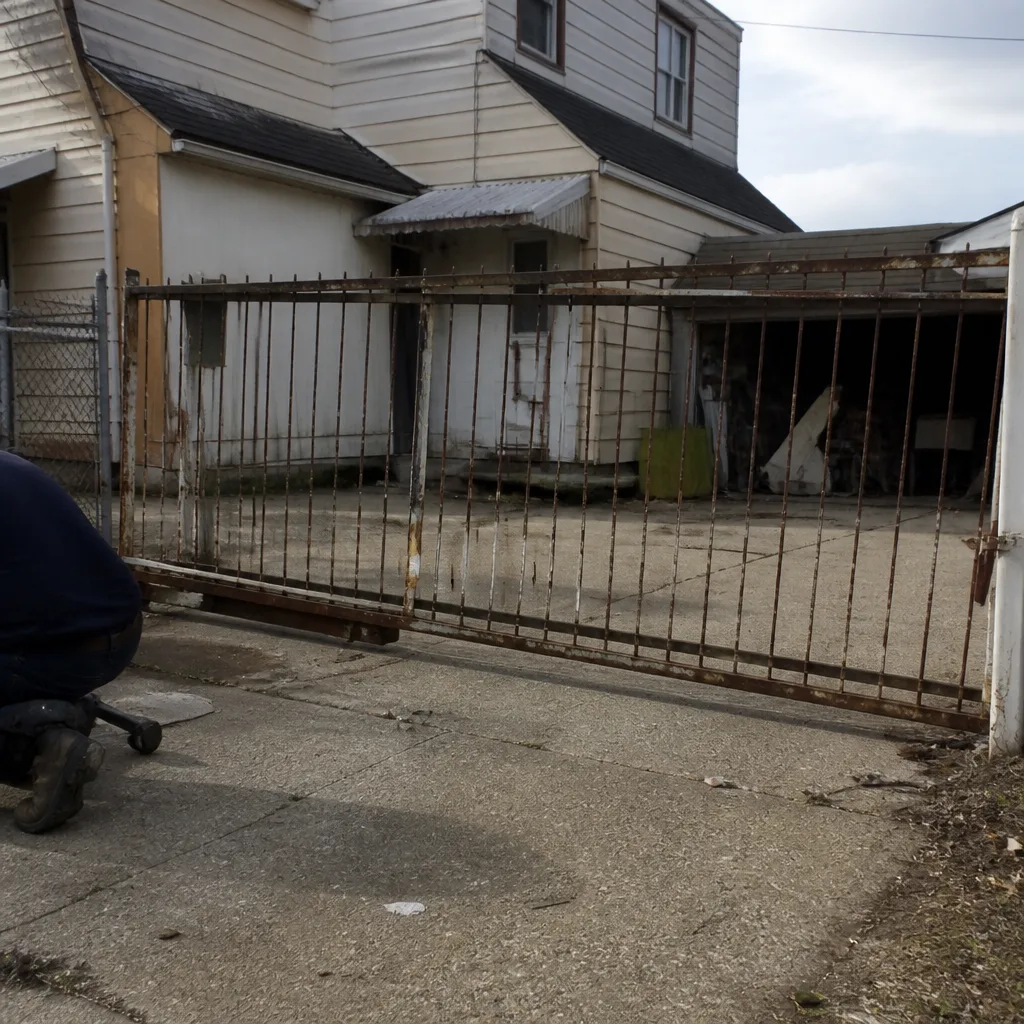
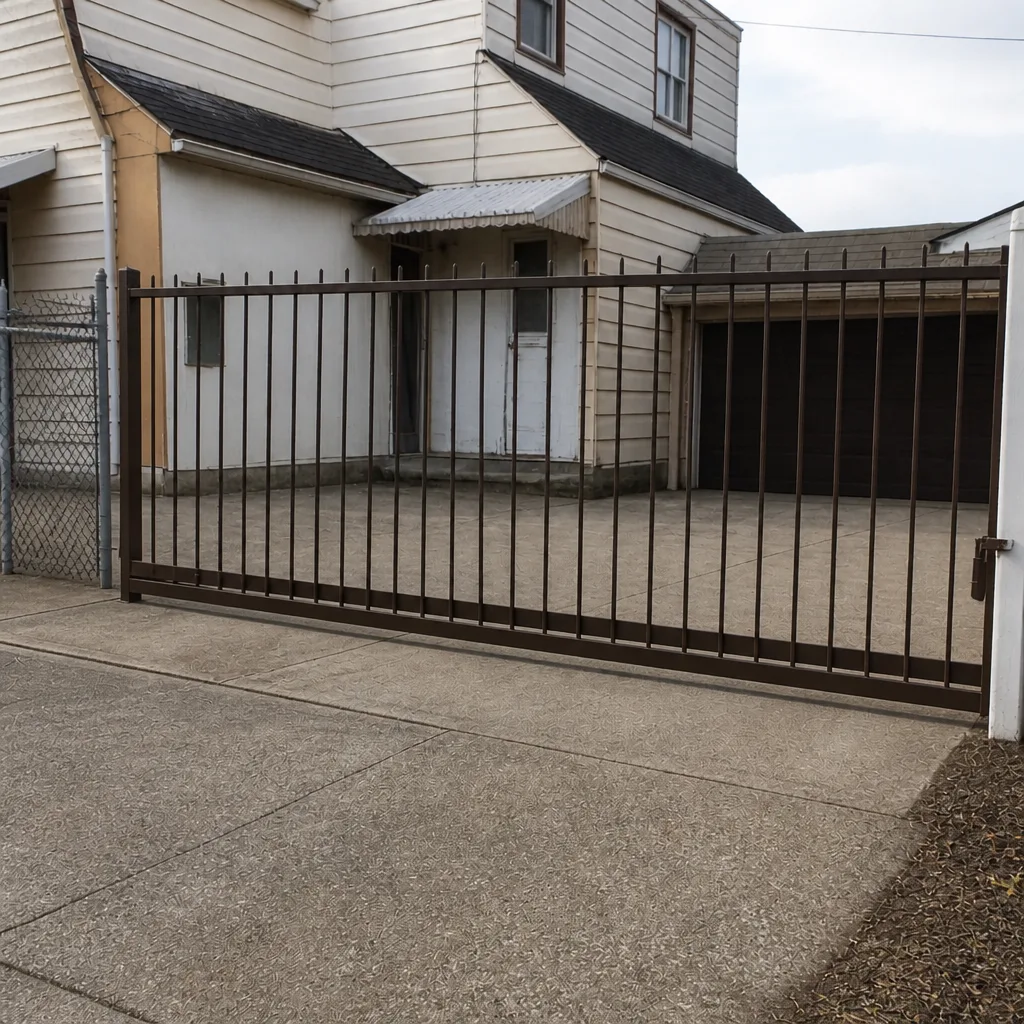
See the difference
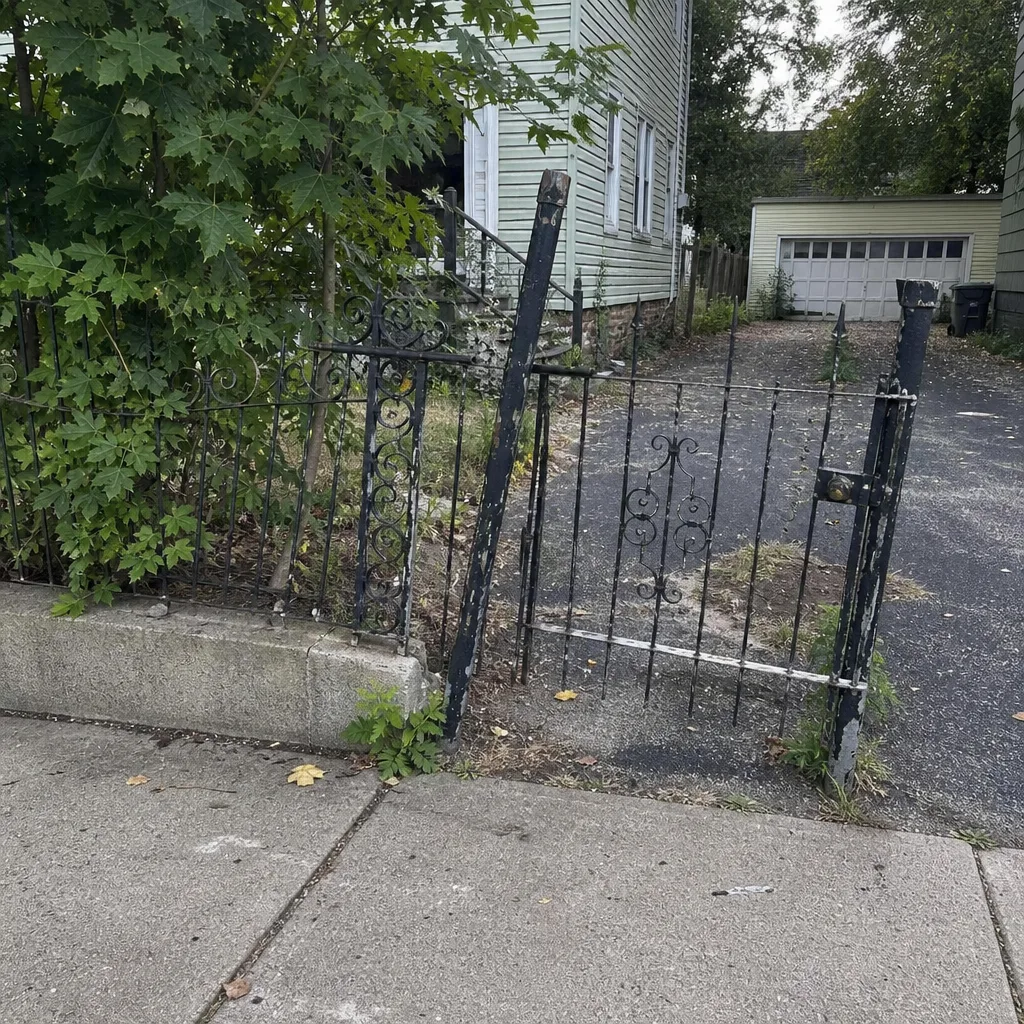 Before
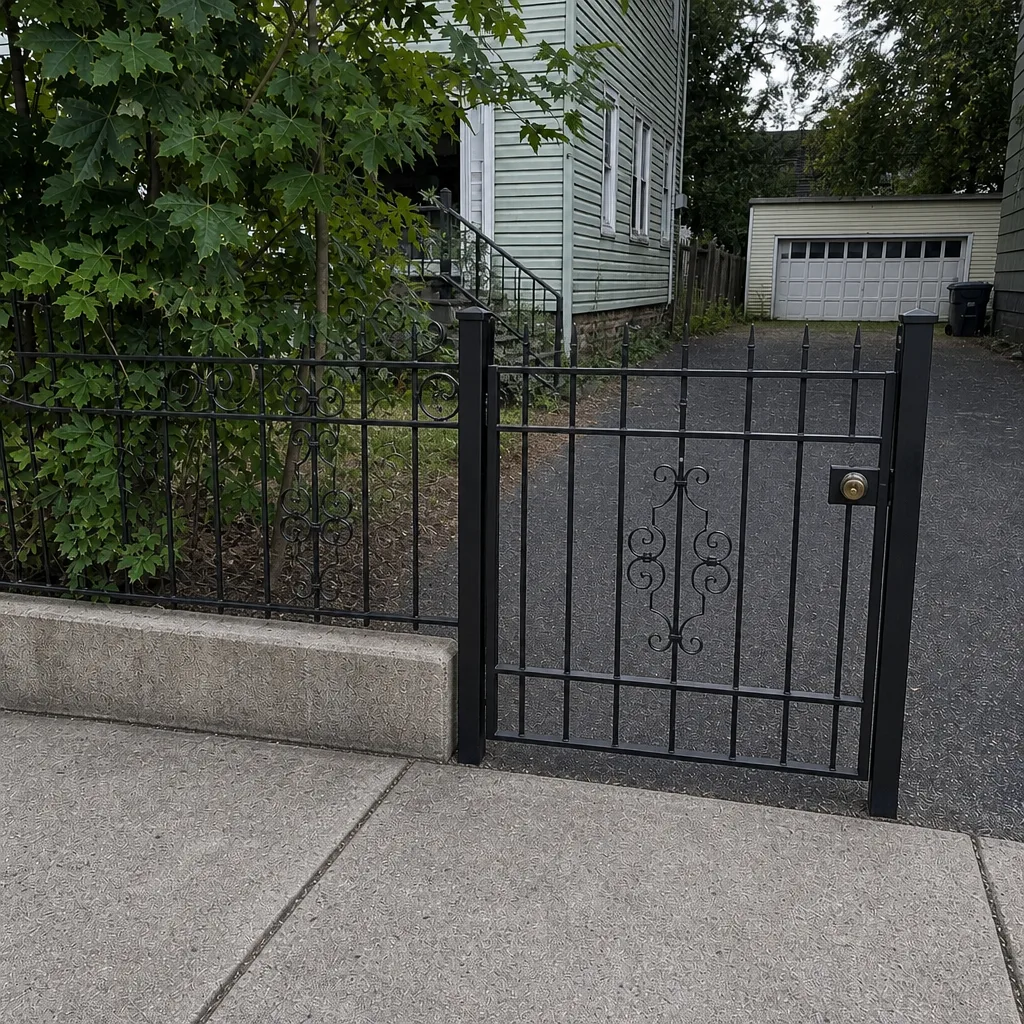 After
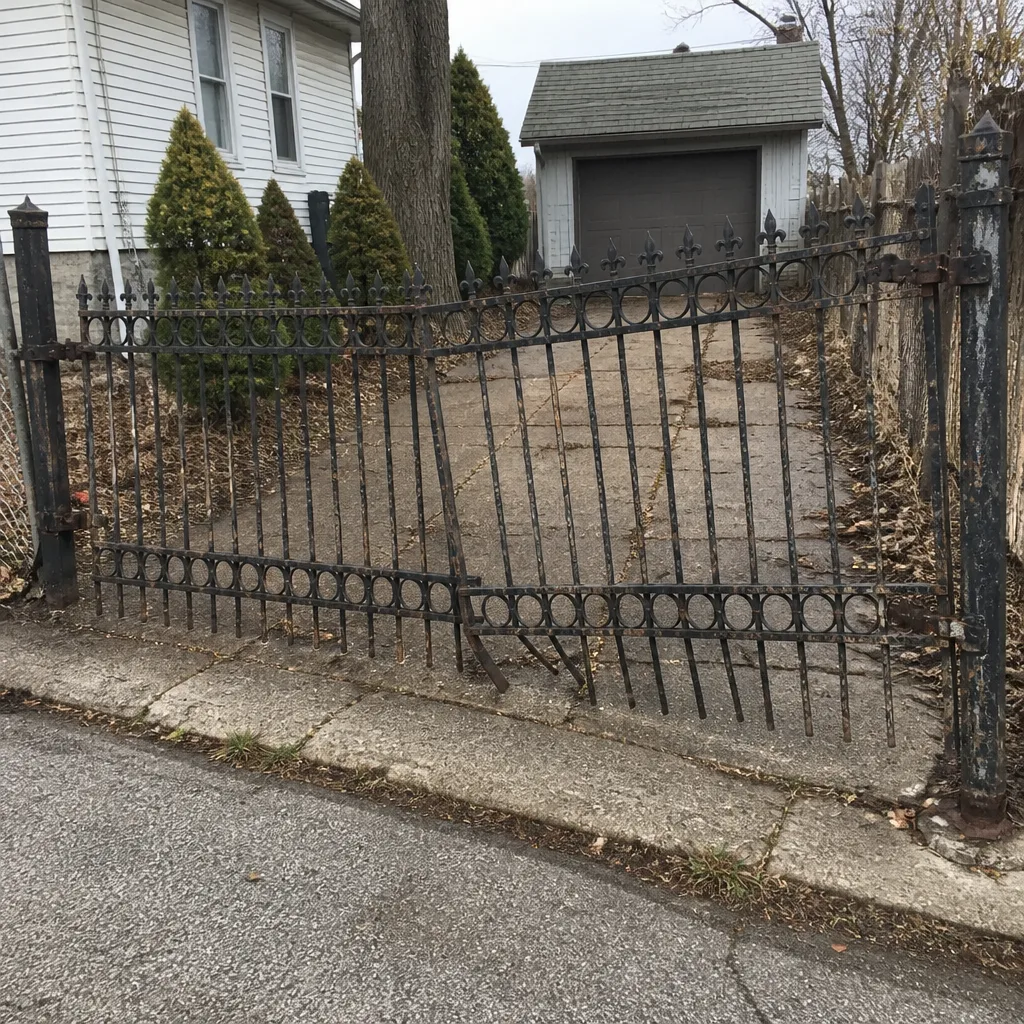 Before
 After
 Before
 After
When to Call a Professional
Any operator work involves mains power, moving heavy gate panels, and control electronics, and getting any of those wrong is a real risk. Call a professional if the gate stops mid-travel, reverses without a visible obstruction, hums but doesn’t move, loses remote response, or has recently been hit or dragged. Electrical panel and operator wiring is not a DIY job: a technician needs to confirm the power feed and the safety devices before touching anything. If the gate is close to a sidewalk, driveway, or pedestrian path, an intermittent fault becomes a safety issue rather than an inconvenience. Mechanical issues on heavy gate panels call for the same caution: a gate that binds, sags, or comes off its track can fall or swing unpredictably. Buffalo Gate Repair offers free estimates in Buffalo, and our technicians have up to 15 years of experience. Call (877) 283-9515. We answer 24/7, with fast dispatch from 7am to 7pm, Sunday through Friday.
Frequently Asked Questions
Regional parts availability and temperature rating together. A brand with strong local parts flow lets a technician make a fast, correct repair; a brand with no regional presence leaves you waiting on factory shipping when the gate fails in winter. Temperature rating comes next because most residential operators are tested to about 0°F, and Buffalo winters regularly go further. Both factors are more important than features and price. Call (877) 283-9515 for a free estimate on any brand you’re considering.
The common set we see across Buffalo includes LiftMaster, FAAC, BFT, Linear, Viking, Ghost Controls, DoorKing, Elite, and Mighty Mule. Brand-agnostic specialists repair whatever system you already have, so there’s no pressure to replace a unit just because it isn’t a preferred brand. If your gate uses one of these, a technician will likely already know the failure pattern. Call (877) 283-9515 and ask about your specific brand.
Most are, yes, with many residential units tested to roughly 0°F and no colder. Buffalo winters regularly drop below that, so a residential operator is often working past its stated range during the coldest weeks. Cold-rated products do exist, mainly in the commercial tier, and it’s worth asking your installer what the operator’s real working range is. For a specific recommendation, call (877) 283-9515 for a free estimate.
Count your gate’s actual openings per day, averaged over a week, then double it to include closes. That’s your real cycle count. Residential driveways often land around 4 to 8 cycles daily; small commercial driveways can run much higher. Choose an operator rated comfortably above that number, with margin for cold-weather load. Call (877) 283-9515 and we can help you size it correctly.
Yes, it matters significantly. The brand determines whether a technician can diagnose with brand-specific knowledge and get parts through local channels, or whether they’re guessing at the fault and waiting on factory shipping. Dedicated gate specialists have seen the same cold-climate failure patterns across brands enough to spot them quickly, which is where the brand knowledge really pays off. Call (877) 283-9515 for help with any brand.
They fail differently. Cold stresses control boards, battery capacity, safety sensors, grease consistency, and gate hardware, so the wear patterns skew toward winter. That doesn’t make any brand inherently “bad” for Buffalo; it just means that cold-rated equipment, adequate duty cycle margin, and brand-aware diagnostics matter more here than in a mild climate. For a free estimate on a Buffalo gate, call (877) 283-9515.
The Bottom Line
Choosing a gate brand for a Buffalo property comes down to three things: whether parts actually reach a Buffalo driveway in days rather than weeks, whether the operator is rated for the cold the gate will see, and whether the duty cycle fits how often the gate opens. Features and price matter less than those three factors, and they’re all easy to check before purchase. A dedicated gate specialist can answer the brand question in one phone call and give you a written estimate before any work begins. Across Buffalo Gate Repair, Buffalo gate work is all we do, and our technicians have up to 15 years of experience across LiftMaster, FAAC, BFT, Linear, Viking, Ghost Controls, DoorKing, Elite, and Mighty Mule. If you want a straight answer on your gate’s brand and condition, give us a call.
Ready to stop guessing? Call (877) 283-9515 for a free estimate. We answer 24/7, with fast dispatch from 7am to 7pm, Sunday through Friday. We’ll quote the price and agree it with you before any work starts, so the final price is the written estimate.
Written by the team at Buffalo Gate Repair.