
Last updated November 15, 2026
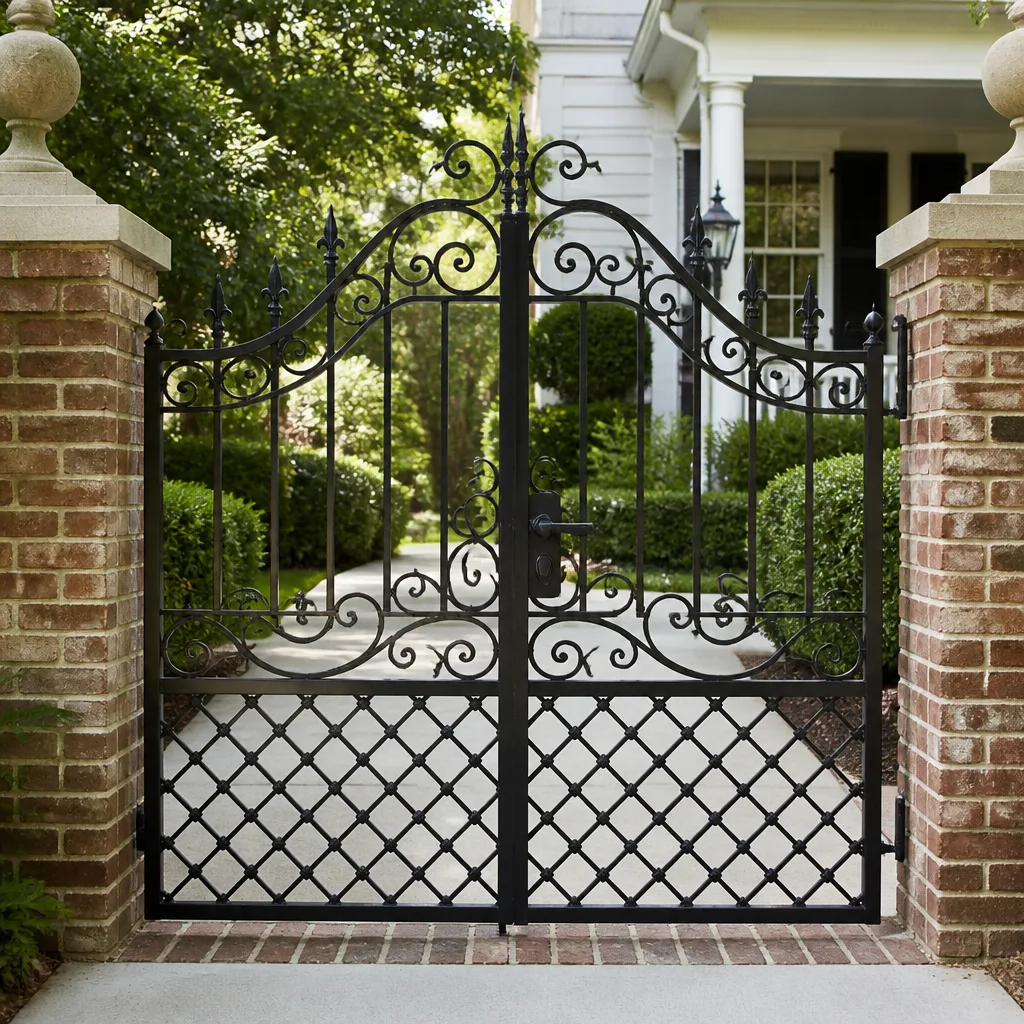 Wrought iron
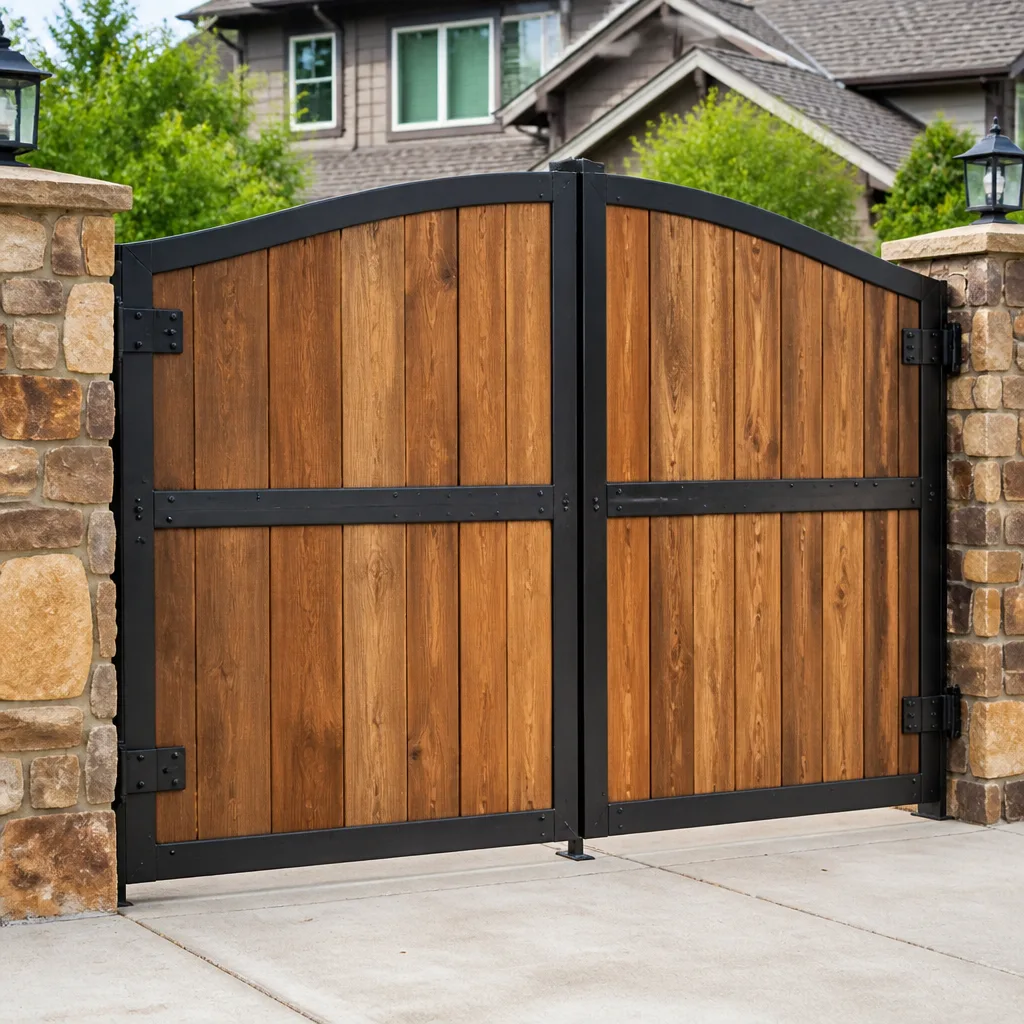 Wood & steel frame
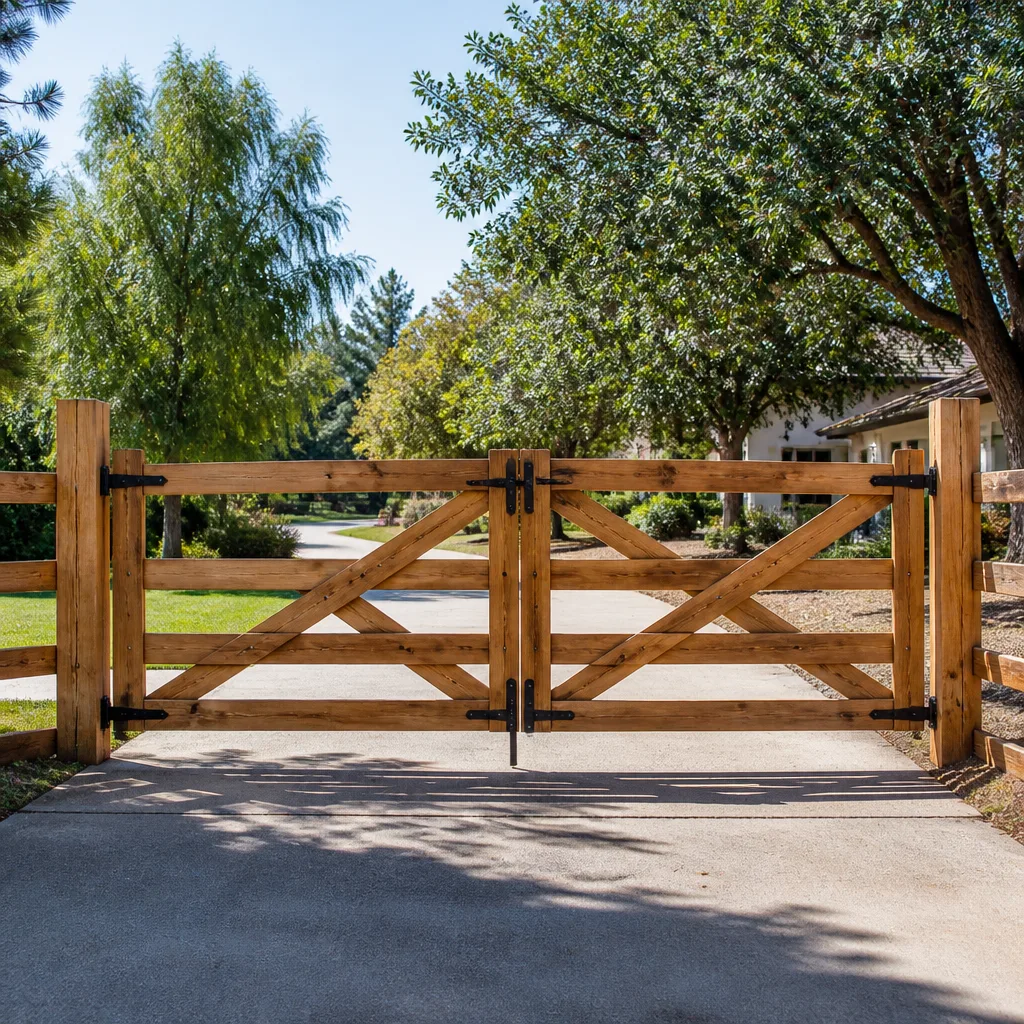 Farm & ranch
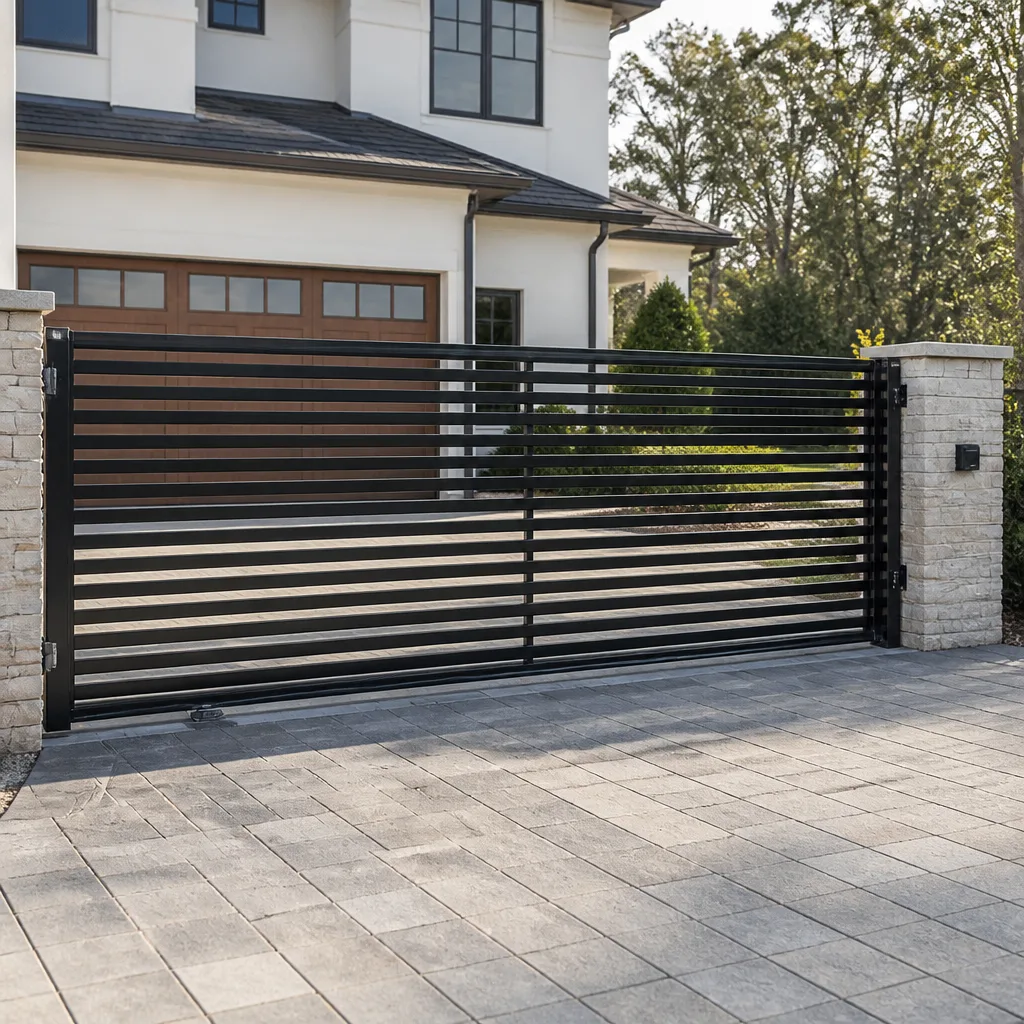 Sliding driveway gates
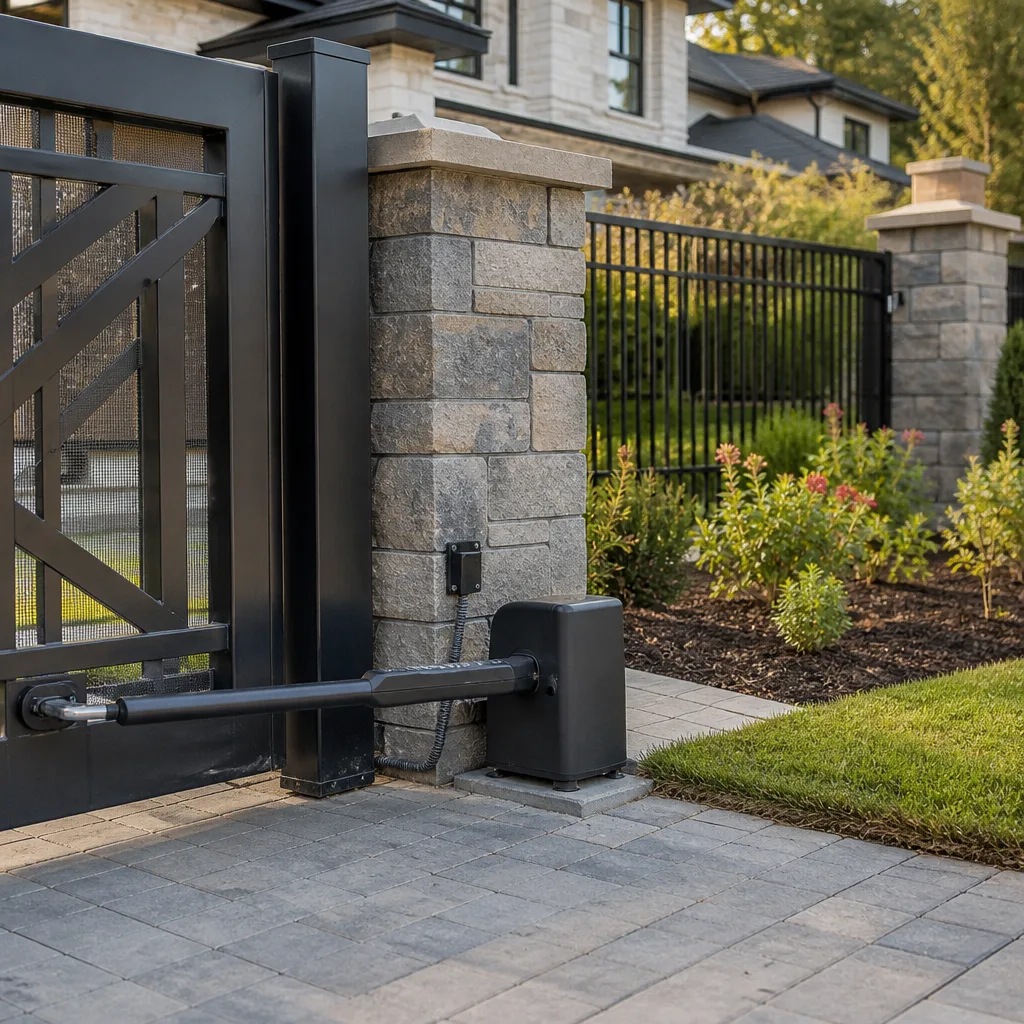 LiftMaster operators
Free on-site gate assessment - hinges, posts, and your LiftMaster or Nice gate operator checked before anything is quoted
The assessment is free and the quote is the invoice.
Get your free estimateGate Repair Troubleshooting in Buffalo: Common Problems and How to Fix Them
If your automatic gate stopped mid-swing and your first instinct was to check the remote battery, you’ve already skipped the more likely cause: a limit switch that Buffalo’s freeze-thaw cycles knocked out of calibration. The battery is rarely the culprit. In our experience, most gate failures that look electrical in Buffalo are mechanical problems wearing an electrical disguise, and the freeze-thaw cycles that define a Western New York winter are the reason why. Every thaw pushes a post one way, every refreeze locks it there, and the operator keeps faithfully following instructions to a position the gate can no longer physically reach. This guide teaches you to read what the gate is actually telling you, from the sound it makes to where it stops, so you can tell the difference between a problem worth a quick reset and one that signals a component needs replacing.
Quick Answer
Most gate failures in Buffalo come down to one of three things: a misaligned limit switch after frost heave shifts a post, an obstructed safety sensor, or a control board or motor fault. You can separate them by watching and listening with no tools at all: a gate that reverses immediately usually points to a sensor, one that stops in the wrong place usually points to a limit switch, and one that hums but doesn’t move usually points to the motor or capacitor. Anything involving crush risk or the operator’s wiring should go to a dedicated gate specialist.
Styles & brands we work with
- Wrought iron
- Wood & steel frame
- Farm & ranch
- Sliding driveway gates
- LiftMaster operators
Table of Contents
- Motor, control board, or sensor: telling them apart without tools
- How Buffalo’s freeze-thaw cycles throw off your gate
- Resetting your gate operator after a power outage
- Why a gate that works by hand fails on auto
- Safe resets versus crush-risk problems
- Why brand matters in gate diagnostics
- Troubleshooting commercial access-control gates
- Seasonal checks that prevent most Buffalo gate failures
Motor, control board, or sensor: telling them apart without tools
The first question in any troubleshooting sequence is which of the three main systems has actually failed. Most homeowners guess the motor because it’s the part that moves. In our experience, the motor is often the last thing to blame. The parts that fail most are the sensors the operator listens to and the control board that interprets them. You can narrow it down in a few minutes with nothing but your eyes and ears.
Work through these clues in order:
- Listen first. If you hear a low hum from the operator and nothing moves, power is reaching the motor but the gate isn’t budging. That points to a seized actuator, a bad motor capacitor, or a physical jam. If you hear nothing at all, power isn’t getting to the motor, which points to the control board, a tripped breaker, or a dead backup battery.
- Watch where it stops. A gate that stops in roughly the same wrong place every time is a limit switch or travel-setting problem. A gate that reverses unpredictably is usually a sensor picking up an obstruction that isn’t there.
- Check the sensor line of sight. Look for a leaf, a snowdrift, a misaligned photo-eye, or a reflector knocked out of position. Blocked or misaligned safety sensors are the single most common cause of a gate that opens fine but refuses to close.
- Watch the indicator lights. Most operators flash a status light that changes pattern when a safety input is triggered versus when the board sees a fault. Note the pattern before you touch anything.
A gate specialist trained on brands like Viking and DoorKing reads these same clues and then goes straight to the component, which is why a proper gate repair visit tends to be short. Guesswork is what stretches a repair into a second visit.
How Buffalo’s freeze-thaw cycles throw off your gate
Gate hardware in Buffalo faces a specific pattern of stress that shapes every diagnosis we do. Ground that sat frozen all winter thaws in early spring, water moves, and the freeze the next week pushes it back. That cycle is repeated for weeks, and each cycle nudges posts, hinges, and the gate frame itself a fraction of an inch out of true. The operator doesn’t know the ground moved. It just keeps trying to reach a limit switch position that is now physically wrong.
Here’s how that plays out in a typical Buffalo gate:
- The gate reverses before it closes. The operator hits resistance from a post that has heaved slightly and reads it as an obstruction. The safety system does what it was built to do: it backs off.
- The gate stops short of fully open or fully closed. The limit switch is now triggering in the wrong spot because the gate’s arc has changed by a small amount.
- The gate drags or grinds on the ground. Winter frost lifts a run of a slide gate’s track while the ground beneath the gate settles unevenly.
- A swing gate sags on one side. Thaw softening under one post lets the hinge side drop, which throws the gate out of square and changes how it meets the operator.
This is why the first line item in a proper diagnosis here isn’t the operator at all. It’s checking the posts, hinges, and track for movement the freeze-thaw cycle created. If you reset the limit switch without addressing the post that moved, the gate will drift out again by the next thaw. A knowledgeable gate specialist looks at the whole geometry of the gate before touching the electronics. If you want to see the full range of dedicated gate work in Buffalo Gate Repair, that’s the discipline we bring to every call.
Resetting your gate operator after a power outage
A power outage leaves many gate operators confused rather than broken. The board loses its reference point, and when the power comes back it doesn’t know where the gate is or where it should stop. The instinct is to start pressing buttons, but the order matters. Resetting the operator correctly keeps you from wiping the travel limits and turning a five-minute fix into a service call.
Here’s the general sequence to follow. The exact buttons differ by brand, so check your operator’s manual for the specifics:
- Leave the gate where it is and don’t touch the remote. Let the operator finish any boot sequence on its own after power returns.
- If the operator has a battery backup, confirm the battery is holding a charge. A weak backup is a common reason the operator won’t re-reference itself cleanly.
- Use the manual release to move the gate to its fully closed position, then re-engage the operator. This gives the board a known starting point.
- Cycle the gate once using the wall or keypad control, not the remote, and watch where it stops. If it stops correctly, you’re done. If it doesn’t, the travel limits need to be re-learned through the operator’s programming mode.
The mistake that corrupts travel limits is cycling the gate repeatedly from the remote before the operator has re-learned its closed reference. Each press sends a new command without a fixed starting point, and the board can store an incorrect set point. If the operator keeps misbehaving after a clean reset, the fault is more likely inside the board or the motor than in the settings. That’s when a specialty electric gate repair visit is worth it, since the diagnostic skills for automated gates are a separate skill set from mechanical gate work.
Why a gate that works by hand fails on auto
A gate you can push open with one finger but that refuses to move on its own tells you something specific: the mechanical part is healthy and the problem is in the motor circuit. This is the case where homeowners most often assume the whole operator needs replacing. Usually it doesn’t. One narrow component is failing, and the rest of the operator is fine.
The usual suspects, in order of likelihood:
- The motor capacitor. This small part gives the motor its starting kick. When it weakens, the motor hums, tries, and stalls without the mechanical resistance to explain it. Replacing a capacitor is a small job compared to replacing an operator.
- The battery backup. On a low-voltage operator, a worn backup battery can prevent the motor from getting enough current to start, even when you have line power. On brands like Ghost Controls, the battery is often the first thing a specialist checks.
- A seized or worn actuator. On swing gates, the arm itself can seize up while the gate still moves freely by hand. If the arm has resistance the open gate doesn’t, that’s your failure.
- A failing relay on the control board. Less common, but the board may not be switching power to the motor at all. This shows up as dead silence when the gate is commanded to move.
The point is that “works by hand, fails on auto” narrows the fault to a short list of components. A dedicated gate technician works through that list in a single visit rather than scheduling a replacement and hoping. Brand-specific knowledge pays off here, because what a technician knows about how an Elite operator fails differs from what they know about a Viking unit.
Safe resets versus crush-risk problems
Not every gate problem is safe to fix yourself, and the ones that aren’t carry serious injury risk. An automatic gate is a piece of machinery that moves with real force and is supposed to stop for a child’s toy, a pet, or a car. The safety edges and reversing sensors exist to prevent crush injuries. When you work around the operator’s wiring or disable a safety input to “test” the gate, you remove that protection. That’s where the line gets drawn.
Here’s a simple split:
- Safe to try yourself: clearing debris from the sensor path, checking the remote battery, a clean power-cycle and manual-release reset, and inspecting for visible post movement or track damage.
- Requires a technician: anything involving the operator’s power wiring, the control board, the motor and its capacitor, the safety sensor wiring itself, or a gate that will not reverse when it meets an obstruction. Slide gates that have come off the track can also fall or swing unexpectedly and need a trained hand.
If you’re not sure which side of that line you’re on, assume it’s the second. A gate that fails to reverse when it meets an obstacle is a genuine hazard and should not be put back into service until it’s checked. We’d rather you call and be told the problem is minor than test a stuck safety edge and find out the hard way.
Why brand matters in gate diagnostics
Every gate operator has its own failure patterns and its own way of telling you what’s wrong. One brand flags a sensor fault with a red blink cycle that looks nothing like the code on the next brand. One operator needs a specific programming sequence to re-learn its limits after power loss. One brand’s control board is known for a particular relay failure that presents as no movement at all. A general handyman working on any brand for the first time works from the manual and a guess. A specialist who has worked the same family of operator over and over recognizes the symptom before the manual comes out.
This is where pure gate focus shows. We’re trained on the major operator brands, including Viking, Ghost Controls, DoorKing, and Elite, so a Buffalo homeowner with a DoorKing access gate and a homeowner with a Ghost Controls swing gate get the same fast, confident diagnosis rather than a technician winging it.
What that means for you in practice:
- Diagnosis by symptom. A specialist hears “hums but doesn’t move” and goes to the capacitor, not the whole operator.
- Fewer unnecessary replacements. When a technician recognizes a known control-board fault, you get the board fixed rather than the whole system replaced.
- No brand lock-in. The gate system you already own gets serviced, even if it wasn’t the one we’d have picked. There’s no pressure to replace a unit just because it’s unfamiliar.
For a property manager in Buffalo maintaining a gated commercial lot, brand fluency matters even more. Knowing your access-control brand means a faster fix on a gate that gates your whole tenant base, not a guess-and-call-back cycle.
Troubleshooting commercial access-control gates
Commercial gates fail differently from residential ones. On a Buffalo commercial property, the gate is in constant use, so wear happens faster, and the access-control system on top of it adds a layer of trouble the operator itself has nothing to do with. That layer includes card readers, keypads, intercoms, and vehicle loop detectors, and when any of those fails, the operator gets blamed for a command it never received.
Start by separating the two layers. The access layer decides who gets in. The operator decides how the gate moves. If the gate moves fine when you trip it manually, the trouble is almost always in the access layer. If the access layer is clearly sending a signal and the gate ignores it, the trouble is between the access system and the operator.
Common commercial failures and what they usually mean:
- The loop detector stops releasing the gate. A buried vehicle loop, often compromised by ground movement, stops sensing a car. The gate never gets its command to open.
- The keypad or reader loses power. Access control boards fail independently of the gate operator. If users can’t get in, check the access board before blaming the gate.
- The gate opens for some users and not others. That’s an access list or reader problem, not a gate problem. The operator is doing exactly what it’s told.
- The gate stops partway during heavy traffic periods. Constant cycling can overheat an operator or reveal a limit switch that’s drifted. This is where a Buffalo gate used as a main entrance needs heavier diagnostics than a residential gate used twice a day.
If your commercial gate is throwing errors your staff can’t read, that’s the case for a specialist who can work both the mechanical and the electronic layers in one visit.
Seasonal checks that prevent most Buffalo gate failures
Most of the gate calls we get in Buffalo could have been avoided by a handful of checks before the weather turned. A short seasonal routine keeps the freeze-thaw cycle from doing damage faster than your gate is built to absorb. None of these check tasks require tools or a technician.
Before the ground freezes and again as it thaws, do these:
- Walk the full arc of the gate and look for posts that have shifted, hinges that have drooped, and a slide track with any high or low spots.
- Clear debris from the sensor path and check that the photo-eyes are aimed at each other.
- Test the reversing function by putting a solid object in the gate’s path and confirming it stops and reverses. If it doesn’t, keep the gate out of service and call for help.
- Listen for new sounds at the start of a cycle. Grinding means mechanical wear; a hum with no movement means the motor circuit; a beep or blink pattern means the board is reporting a fault.
- After any power outage, run the reset sequence above rather than cycling from the remote.
The one check you shouldn’t skip is the reverse test. It’s the single most important safety function on the gate, and it’s also the one that reveals a problem before it becomes dangerous. A gate that runs smoothly but won’t stop for an obstruction is a liability, whether it’s a driveway at your home or a shared access gate at a Buffalo business.
Common Mistakes to Avoid
- Blaming the remote first. A dead remote battery happens, but it rarely explains a gate that stops mid-cycle. Check the gate’s behavior before you replace anything.
- Resetting limit switches before checking the posts. If frost heave moved the post, re-learning the limits will “fix” the gate until the next thaw. Find the movement first.
- Cycling the gate from the remote after a power loss. Repeated remote commands from an operator that hasn’t re-learned its reference can store incorrect limits. Reset properly, then use the wall control.
- Disabling the safety sensors to “test” the gate. Removing the reverse protection turns a safe gate into a crush hazard. Never run the gate without it working.
- Assuming a dead operator means a dead system. A humming motor or a gate that works by hand usually points to a capacitor or battery, not a full replacement.
- Leaving the gate half-working through a Buffalo winter. A gate that’s drifting now will be worse in spring thaw. Schedule the diagnosis before the freeze deepens, not after the gate gives out.
- Calling a general handyman for a wiring or control-board fault. Those are the parts most non-specialists decline. A dedicated gate specialist should be the first call for anything electronic in the operator.
See the difference
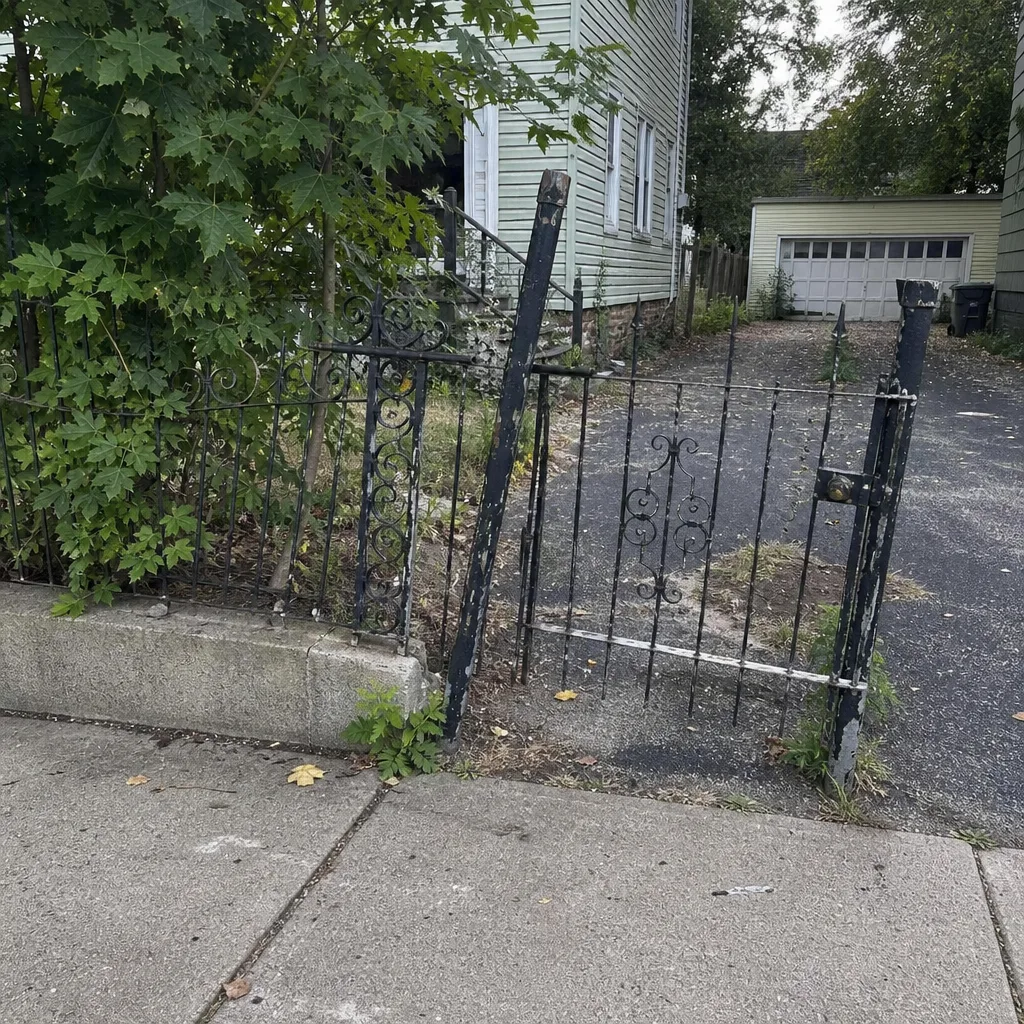 Before
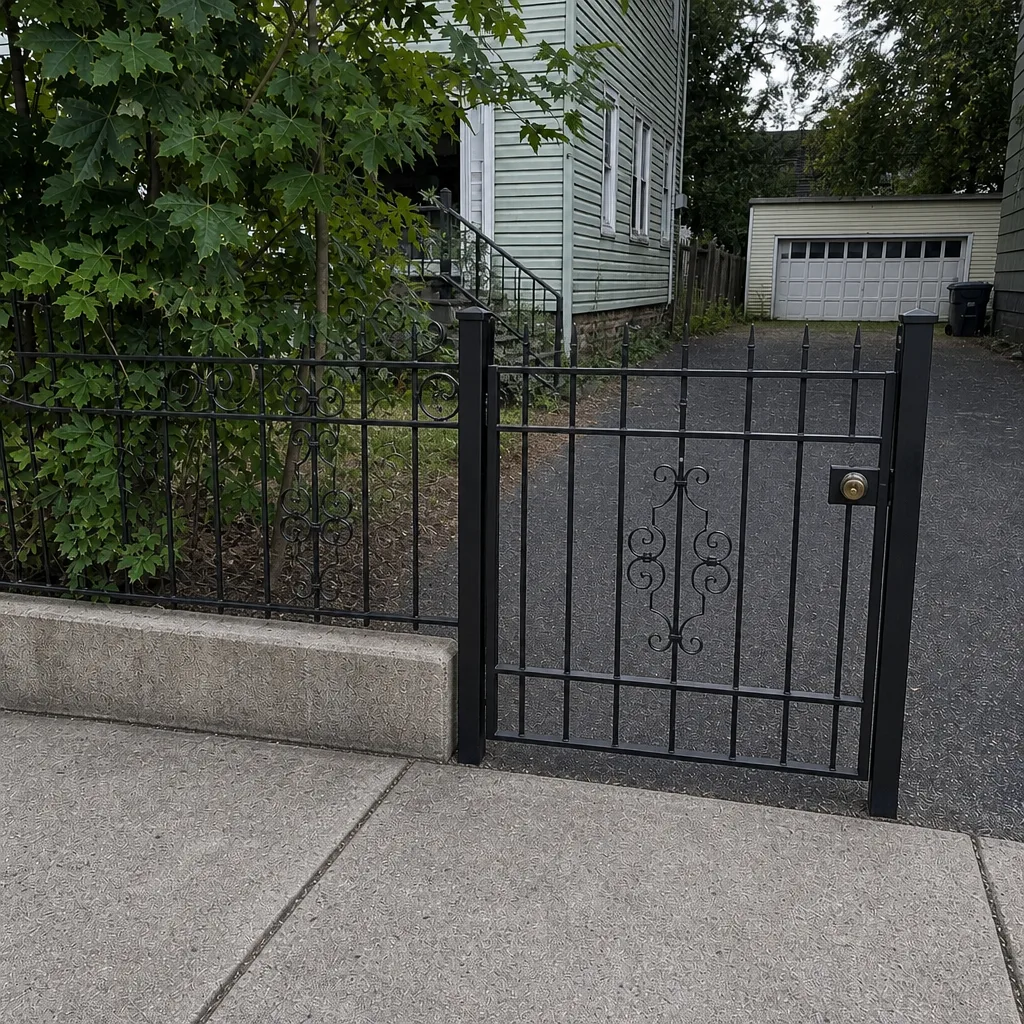 After
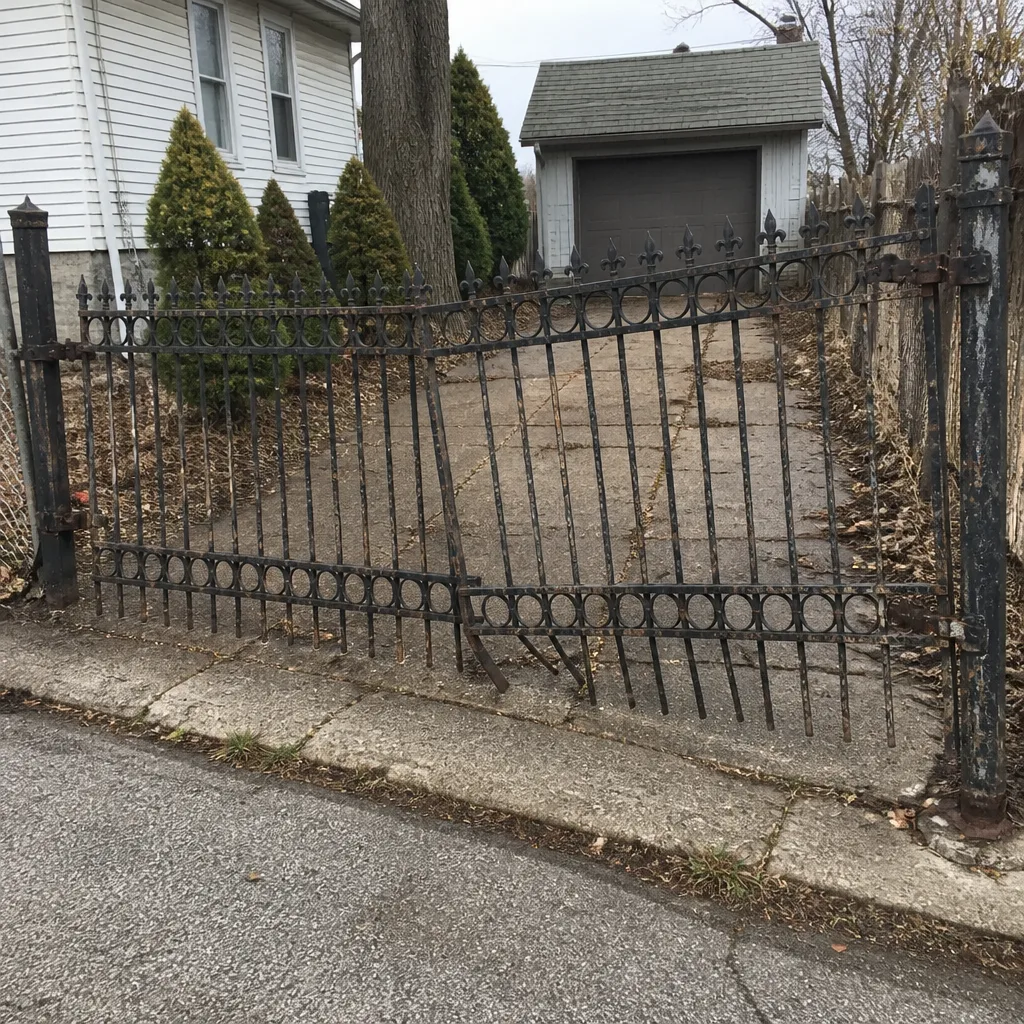 Before
 After
 Before
 After
When to Call a Professional
Call a professional when your gate won’t reverse for an obstruction, when the operator’s power wiring or control board is involved, when a slide gate has come off its track, or when the gate cycles a few times and then quits. Call us when the operator is humming but not moving and you’ve already replaced the remote battery. Call when you’ve done a clean power-outage reset and the gate still stops in the wrong place. And call when a commercial access gate locks out your entire property. Buffalo Gate Repair offers free estimates in Buffalo. Call (877) 283-9515. We answer 24/7, with fast dispatch from 7am to 7pm, Sunday through Friday. Our technicians have up to 15 years of experience, and the price is quoted and agreed before any work starts.
Frequently Asked Questions
Gate repair in Buffalo is priced per job, and we don’t quote a range until we’ve looked at the gate, because a sensor reset and a motor capacitor replacement are different jobs. The estimate is free, and the written estimate sets the final price, agreed before any work starts. Call (877) 283-9515 for an exact quote, and we’ll tell you what the job involves before you commit.
In most cases yes, because a gate that won’t close is a security problem, and we dispatch fast from 7am to 7pm, Sunday through Friday. Call us, and if the day is full we’ll book the next opening. We answer 24/7, so a call outside dispatch hours gets booked into the next slot, and the estimate is always free.
A gate that opens but refuses to close is most often a safety sensor problem, usually a blocked or misaligned photo-eye, or a snowdrift or leaf breaking the sensor beam. Check the sensor path first. If it’s clear and the gate still won’t close, the problem is in the sensor wiring or the control board, and that needs a technician to trace.
A gate that stops in the same wrong place every time is pointing at a limit switch or travel-setting problem, not a dying motor. In Buffalo, the underlying cause is often a post that heave shifted during freeze-thaw, so the limit switch is fine but the gate can no longer reach the position the operator expects. A proper diagnosis checks the post geometry as well as the limits.
Yes. We service whatever gate system is installed, with brand-specific familiarity across the major operator brands, including Viking, Ghost Controls, DoorKing, and Elite. There’s no brand lock-in and no push to replace a working operator just because it’s unfamiliar. Call (877) 283-9515 and tell us the brand.
A clean power-cycle and manual-release reset is safe to try yourself, and it’s the right first step after an outage. What isn’t safe is disabling a safety sensor to “test” the gate or working on the operator’s power wiring. If the gate won’t reverse for an obstruction after a reset, leave it out of service and call a specialist.
The Bottom Line
Most gate failures in Buffalo aren’t the mystery they look like. A gate that hums but won’t move points to a capacitor or battery. A gate that reverses early points to a sensor or a post shifted by frost heave. A gate that stops in the wrong place points to a limit switch that’s drifted. Read the symptom, separate the mechanical from the electronic, and you’ll save a visit’s worth of guesswork. Do the safe resets, respect the crush risk, and call a dedicated gate specialist when the wiring or the safety system is involved. Buffalo’s freeze-thaw cycle rewards the gate owner who checks early and diagnoses by symptom, not by fear of the worst-case replacement. For the wider range of work we do across the city, see our Buffalo service page.
Written by the team at Buffalo Gate Repair.