
Last updated November 15, 2026
 Wrought iron
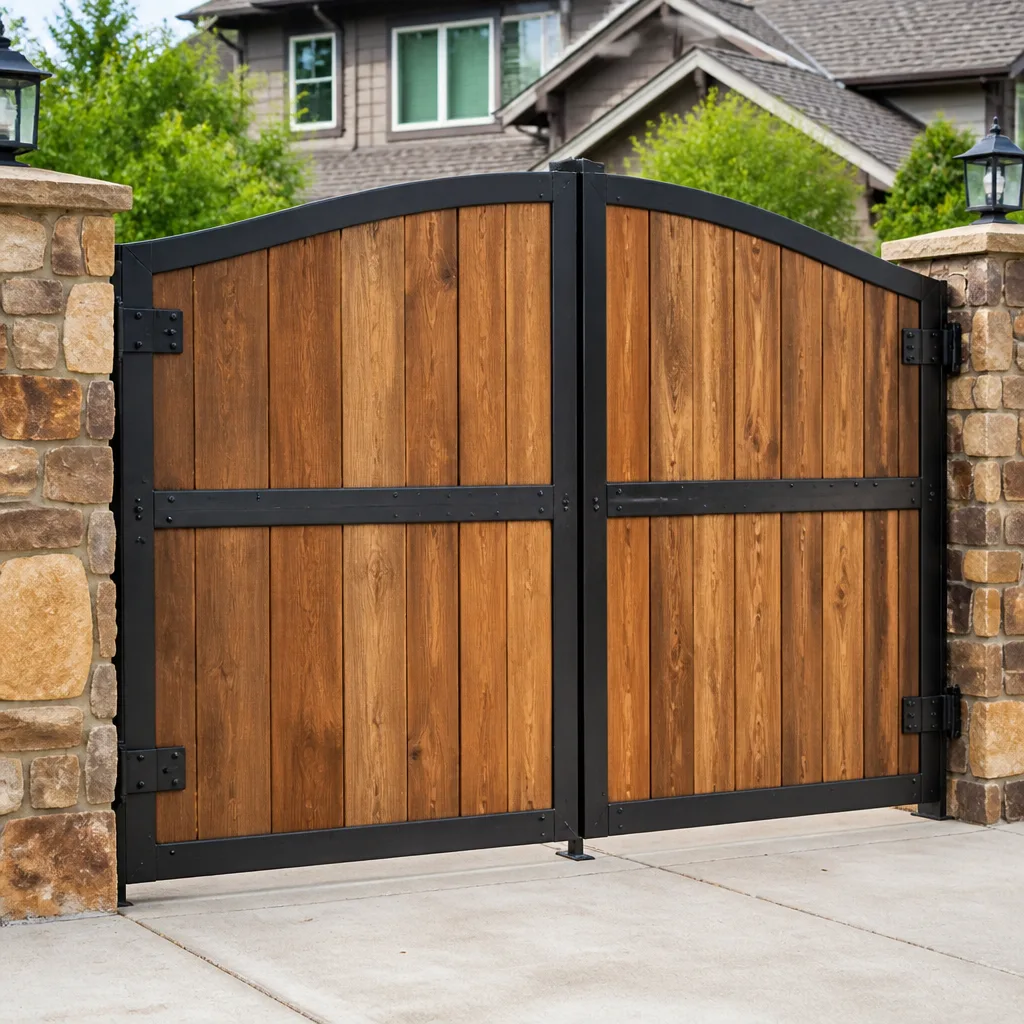 Wood & steel frame
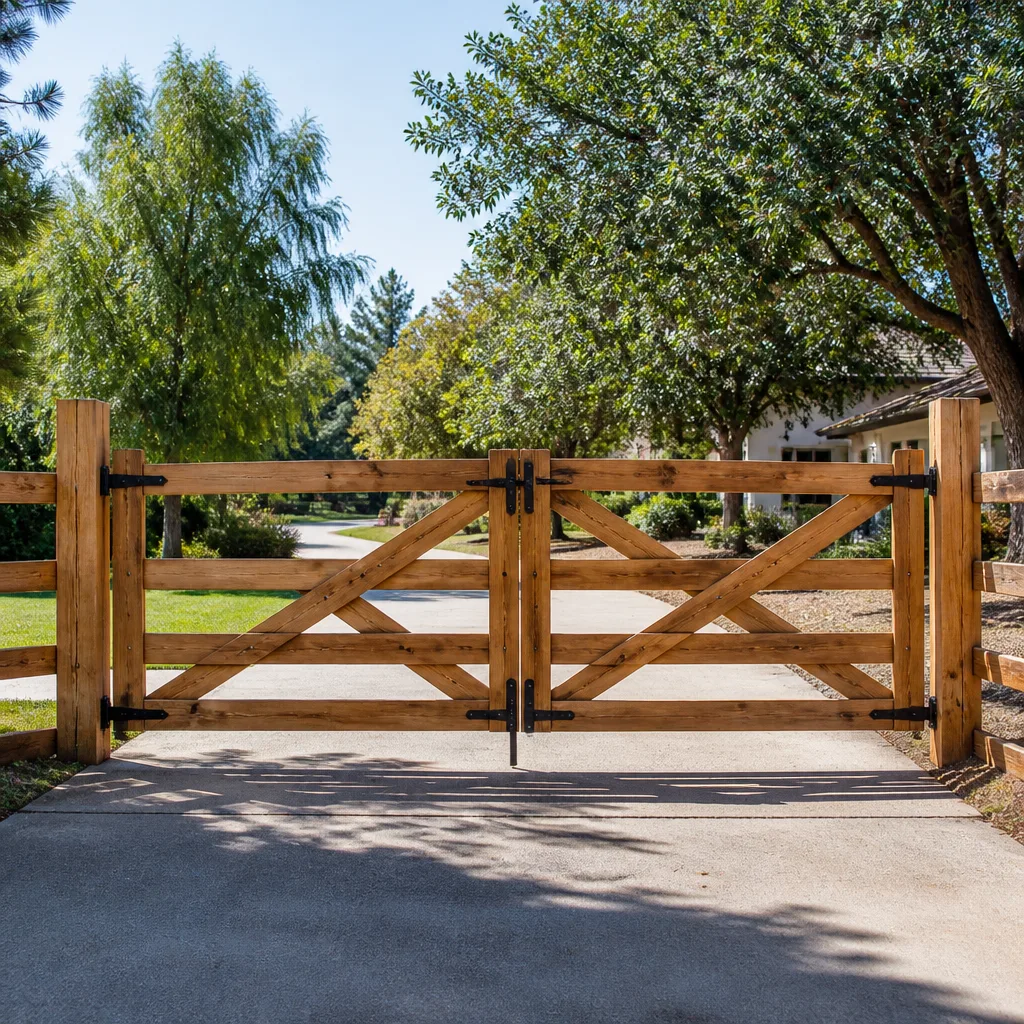 Farm & ranch
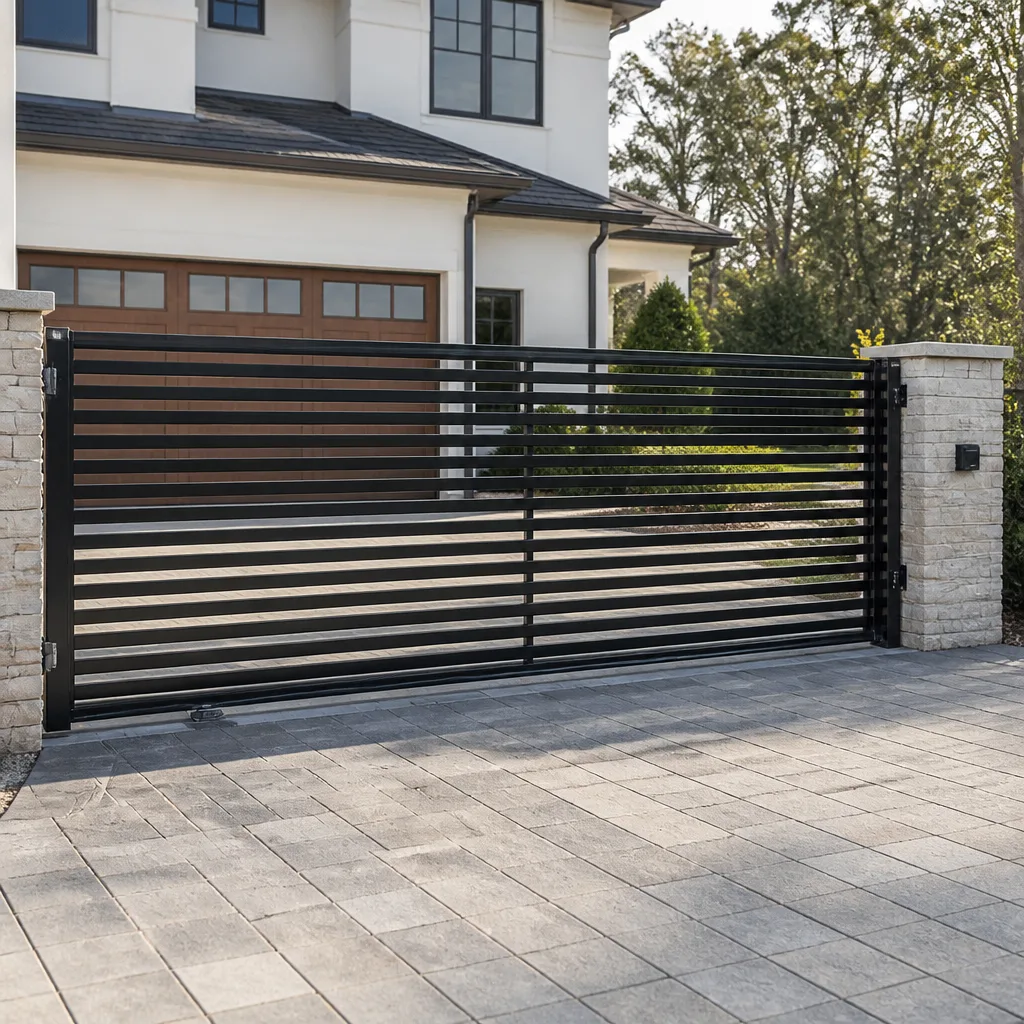 Sliding driveway gates
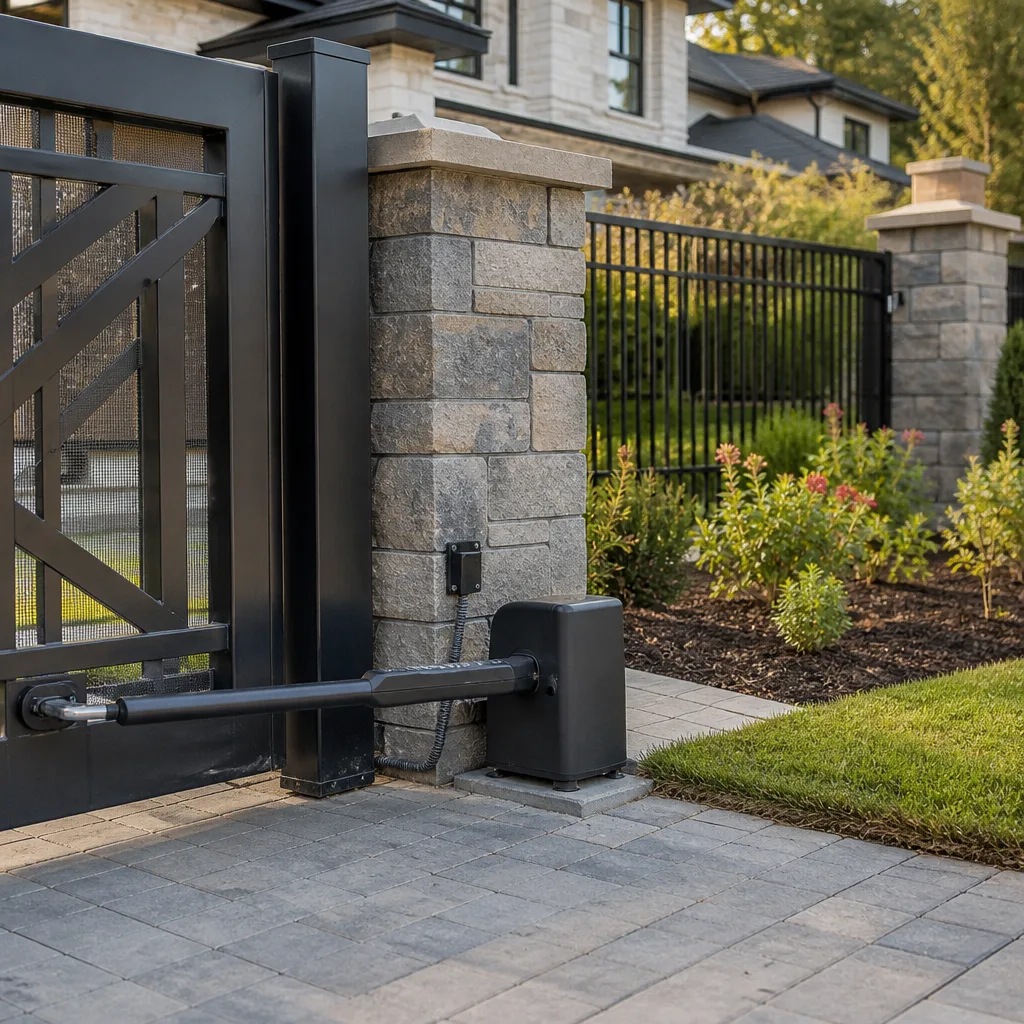 LiftMaster operators
Free on-site gate assessment - hinges, posts, and your LiftMaster or Nice gate operator checked before anything is quoted
The assessment is free and the quote is the invoice.
Get your free estimateHow to Hire a Gate Repair Contractor in Buffalo: A Step-by-Step Guide
Ask any contractor you’re considering this question: “What’s the difference between a crash loop and a pressure-reversal safety system?” A gate specialist answers immediately. A generalist guesses. In Buffalo’s service market, the biggest hiring mistake isn’t skipping a license check. It’s hiring a garage door or fence contractor who treats gate automation as side work, then discovering they don’t stock gate-specific parts or understand gate-specific safety requirements. This guide walks you through screening for single-trade gate expertise before you ever book a visit, from the questions that separate specialists from generalists to reading an estimate line by line. It’s written for homeowners with driveway gates and property managers with access-control systems in Buffalo who want the job done right the first time.
Quick Answer
To hire a gate repair contractor in Buffalo, verify New York Home Improvement Contractor (HIC) registration first, then screen specifically for single-trade gate experience by asking brand-specific diagnostic questions and requesting a line-item estimate. Choose a company that specializes in gates and gate automation (not a generalist who subcontracts the electrical work), confirms brand familiarity with your existing operator, and inspects post alignment and foundation before quoting a repair. A proper gate specialist diagnoses both mechanical and electronic failures in one visit and gives you a written price before any work starts.
Styles & brands we work with
- Wrought iron
- Wood & steel frame
- Farm & ranch
- Sliding driveway gates
- LiftMaster operators
Table of Contents
- Why a Gate Specialist Beats a Generalist in Buffalo
- The Interview Questions That Expose a Generalist
- HIC Registration Is the Baseline, Not the Ceiling
- How to Read a Gate Repair Estimate
- What a Proper Diagnostic Visit Looks Like
- Red Flags Unique to the Buffalo Market
- Buffalo Climate, Housing, and What It Does to Gates
- Common Mistakes to Avoid
- When to Call a Professional
- Frequently Asked Questions
Why a Gate Specialist Beats a Generalist in Buffalo
Gate repair in Buffalo is a different trade from garage door work, even though the two look similar from the street. Garage doors move on torsion springs and horizontal tracks. Gates swing or slide on hinges, rollers, and posts anchored in the ground, and they carry electric operators, control boards, safety sensors, and access-control hardware that garage door techs never touch. A company that splits its attention across both often treats the gate portion as a secondary job.
The practical consequence is diagnostic time. When a technician works on gates every day, they recognize a control board fault on a LiftMaster operator or a binding hinge on a swing gate faster than someone whose primary work is garage doors. That shorter diagnostic window usually means fewer return visits and a repair aimed at the actual failure rather than a best guess. A generalist may recommend replacing an operator simply because the brand is unfamiliar to them. A specialist repairs what’s already installed.
For a Buffalo homeowner, the difference shows up as less downtime on a driveway gate that’s your main vehicle access. For a commercial property manager, it shows up as fewer access interruptions at an entry a fleet of tenants uses every morning. In both cases, the question isn’t whether a generalist can eventually fix it. It’s how many visits and how much guesswork happen in between. When you need gate repair, the specialization itself is the qualification.
The Interview Questions That Expose a Generalist
The fastest way to screen a contractor is to ask gate-specific questions and listen for confident, immediate answers. A specialist has seen these systems and answers with detail. A generalist hedges, shifts to jargon, or promises to “figure it out once we’re on site.” Call and ask these before you schedule anything.
- “What’s the difference between a crash loop and a pressure-reversal safety system?” A specialist explains that a crash loop is an in-ground or overhead detector that stops a gate before it contacts a vehicle, while a pressure-reversal safety system detects resistance and reverses the gate when it presses against an obstruction. Both are safety devices, but they fail differently and are wired differently. A generalist will often confuse the two or lump them together.
- “Which gate operators do you work on regularly?” Listen for specific brands. Any company that names Mighty Mule, LiftMaster, or FAAC without hesitation carries working knowledge. If they can’t name brands or say they mostly do garage doors, that’s your answer.
- “Do you diagnose mechanical and electrical failures in the same visit?” A dedicated technician should inspect the hinges, posts, rollers, and alignment alongside the operator, wiring, and sensors rather than sending you to an electrician for the electrical half.
- “How do you check for post misalignment before quoting a repair?” The correct answer includes a physical inspection of how the gate hangs, whether it’s dragging, and whether the posts have shifted. A tech who quotes by phone before looking at the posts is guessing.
- “Will you give me a written line-item estimate before any work starts?” The answer should be an unhesitating yes. A price agreed before the work is the standard, not a favor.
Ask any gateway question first, and you’ll quickly learn whether you’re talking to a specialist or a company that treats gates as a sideline. In Buffalo, a dedicated gate company answers these without pause.
HIC Registration Is the Baseline, Not the Ceiling
New York State requires home improvement contractors to carry a Home Improvement Contractor (HIC) registration. It’s the floor every contractor you hire should clear, and you can verify a registration directly with the state before booking. But passing the registration check says nothing about whether the contractor actually knows gate systems. Registration confirms they’re allowed to do home improvement work; it doesn’t confirm they’ve ever wired a safety edge or configured an access-control operator.
Treat HIC registration as step zero, then look for the gate-specific credentials that registration doesn’t cover:
- Brand-level familiarity. Ask which operator brands they work on and whether they’ve serviced your exact model. A specialist takes on whatever system is already installed rather than pushing a replacement because the brand is unfamiliar.
- Automation as a core service. The company should advertise and routinely perform automated and electric gate work, not just pass it to a third-party electrician. That’s the dividing line between a specialist and a gate installer who farms out the technical half.
- Full lifecycle coverage. A company that handles breakdown repair, electric and automated repair, and new installation under one roof understands how the whole system works. It also means you won’t need a second vendor later.
- Insurance and bonding. Ask for proof of current liability coverage. A gate is heavy, and a moving gate is dangerous; you want to see the paperwork before anyone touches the panel.
- Written estimates as standard practice. If a contractor resists putting prices in writing, treat that as a disqualifier regardless of registration status.
For Buffalo property managers especially, HIC registration is just the first checkbox. The screening that actually protects your access-control system happens in the questions that follow it.
How to Read a Gate Repair Estimate
A gate repair estimate tells you a lot about the company that wrote it. A specialist writes line items you can evaluate. A generalist writes “labor” and a lump sum that hides the markup. Read the estimate before you approve it, and look for these signals.
Line items that show expertise:
- Named components. A specialist lists the specific parts: the operator board, the safety edge, the hinge set, the roller, the remote receiver. You should know what’s being replaced and why.
- Labor broken down by task. Replacing a hinge takes minutes; rehanging a misaligned panel or tracing a wiring fault takes longer. When labor is itemized against each task, the estimate tells you how the company thinks about the work.
- A clear diagnosis. The estimate should state what failed and how the technician knows. “Gate won’t open” is a symptom, not a diagnosis. “Operator control board failed on voltage spike, confirmed with meter reading” is a diagnosis.
- Safety components called out specifically. Safety sensors, safety edges, and reversing systems may appear as line items or be confirmed as tested and working. A specialist flags these because they know what happens when they fail.
Warning signs of vague bundling:
- A single “labor” line that’s half the total with no task breakdown and no parts detail.
- A recommendation to replace an entire operator when the described fault points to one component (a sensor, a board, a receiver).
- No mention of the post, hinge, or alignment inspection, which suggests the estimate was written before the physical check.
- A price quoted over the phone before anyone has looked at the gate. In Buffalo’s climate, moving parts seize and posts shift; the only honest estimate follows an inspection.
The written estimate sets the final price, and any price quoted should be agreed before work starts. If a contractor can’t tell you what the dollars are for, that’s a sign the estimate was reverse-engineered to fit a number.
What a Proper Diagnostic Visit Looks Like
A good diagnostic visit is methodical, and you can watch for it. If a technician quotes a repair before physically inspecting the gate’s foundation, posts, and alignment, they’re not diagnosing; they’re guessing. Here’s what a proper visit covers.
- Ask about the symptom in detail. When does the gate fail, does it fail every time or intermittently, and what changed. A specialist uses these answers to narrow the cause before touching anything.
- Operate the gate and observe. They watch the gate’s full travel, listen for strain, and watch for dragging or stalling. A gate that runs slowly or stalls at one end often has a mechanical cause, not an electrical one.
- Inspect the posts and footing first. This is the step generalists skip. Post misalignment and footing problems cause gates to bind, drag, and damage their own hinges and operators. If the tech walks past the posts and goes straight to the control board, expect a repeat failure.
- Check the hinges, rollers, and track. On a slide gate, rollers and track wear fast. On a swing gate, hinges take the load. A specialist identifies worn hardware before it fails and takes the operator with it.
- Move to the electrical side. They test the operator, control board, sensors, safety edges, and remotes with a meter, not by swapping parts. A specialist confirms the fault on the electronic side after ruling out mechanical causes.
- Write the estimate on site. After the inspection, you should get a written, line-item price that sets the final cost before any work begins.
For Buffalo property managers especially, HIC registration is just the first checkbox. The screening that actually protects your access-control system happens in the questions that follow it.
Red Flags Unique to the Buffalo Market
Buffalo’s gate market has its own patterns, and some of the most common problems aren’t about dishonesty. They’re about scope. Here’s what to watch for in Buffalo specifically.
- Automation subcontracted to a third-party electrician. Some gate companies install the physical gate but hand off the wiring and operator work to an electrician on a separate visit. That splits the diagnosis between two trades, and when something fails, neither side owns the fix. Ask upfront whether automation is handled in-house.
- Garage door companies expanding into gates. Buffalo has plenty of garage door firms that now advertise gate repair. They may be competent at garage doors, but their gate knowledge is often thin, especially on operator brands they rarely see. Ask for gate-specific brand references before you book.
- Quotes given without a post inspection. Gates in Buffalo face real freeze-thaw movement through the ground. Posts shift, ground heaves, and the gate that ran fine in October drags by February. A technician who quotes over the phone before looking at the posts is ignoring the most common cause of gate failure in this climate.
- Push toward replacement over repair. If a contractor recommends a new operator or a full new gate without telling you which component failed, get a second opinion. A specialist works on the system you already own, whatever brand it is.
- No mention of safety devices. A gate that moves without working safety sensors or safety edges is a hazard. Any contractor who doesn’t check and confirm those devices isn’t treating a gate like a gate.
Buffalo Climate, Housing, and What It Does to Gates
Buffalo’s winters and spring thaws put real stress on gate hardware. Ground that freezes and thaws repeatedly shifts post footings, and a post that moves even slightly changes how a gate hangs, which changes how the hinges and rollers wear. That’s why the diagnostic sequence starts with the posts, not the electronics. A gate that binds because a post has moved will keep failing as long as the alignment problem goes uncorrected, regardless of how many parts get replaced.
The region’s older housing stock adds a second wrinkle. Many Buffalo properties have gates that were installed decades ago and have been patched over the years, often swapping operators and adding sensors in stages. Those systems tend to be mixed: an older gate with a newer operator, or an operator whose control board no longer matches the rest of the setup. A specialist reads that history off the hardware and knows which components interact. A generalist sees a gate that doesn’t work and starts fresh.
Buffalo’s climate also means some failures cluster after cold snaps and warm spells. A gate that worked through most of the year can bind once the freeze sets in, and the same gate can free itself when things thaw. Intermittent failures like that point to movement in the posts or footing, not to a dying motor. That’s a diagnostic distinction a gate specialist makes quickly and a generalist often misses, and it’s why Buffalo homeowners who call in the spring are usually dealing with an alignment issue rather than an electrical one.
That’s also why a reputable company inspects before quoting. The honest answer to “why is my gate dragging” depends on what the posts and footing look like on the day of the visit.
For Buffalo property managers especially, HIC registration is just the first checkbox. The screening that actually protects your access-control system happens in the questions that follow it.
Common Mistakes to Avoid
- Hiring a garage door company that “also does gates.” Garage doors and gates are different systems with different failure points. A company whose primary trade is garage doors often treats the gate as secondary work and misses gate-specific problems like post alignment and operator wiring.
- Accepting a quote over the phone. A gate estimate written before a post and alignment inspection isn’t a real price. In Buffalo, that inspection is what separates an accurate estimate from an expensive surprise.
- Skipping the brand question. If you don’t confirm the contractor works on your operator brand, you may find out on the visit that they don’t. Ask which brands they handle, and be specific about your model.
- Approving a “labor” lump sum. Vague estimates hide markup and make it impossible to know whether the repair matches the diagnosis. Insist on line items and a stated diagnosis.
- Letting a third party handle the automation. When a company subcontracts the electrical side, the mechanical and electrical work get diagnosed by different people. That gap causes repeat visits and missed root causes.
- Replacing instead of repairing because a brand is unfamiliar. A specialist works on the system you have. If the recommendation is replacement and the reason is “we don’t work on that brand,” get another opinion.
- Overlooking the safety devices. A gate that moves without working safety sensors or safety edges is a hazard, not a convenience problem. Confirm those devices are checked and functioning before you consider the job done.
When to Call a Professional
Some gate issues need a trained technician immediately. A gate that reverses unpredictably, a safety edge that no longer stops the panel, a slide gate that’s come off its track, exposed wiring near the operator, or an operator that runs but won’t move the gate are all signs to stop using the gate and call someone. Heavy panels that swing uncontrolled and operators with a wiring fault are genuinely dangerous, and this isn’t work for a homeowner doing trial-and-error repairs. If a gate fails on a Saturday, we’re closed that day; call and we’ll book you into the next opening, Sunday through Friday. For same-day repair during dispatch hours, Buffalo Gate Repair offers free estimates in Buffalo – call (877) 283-9515. We answer 24/7 with fast dispatch from 7am to 7pm.
Frequently Asked Questions
A gate specialist is the better choice because gate systems have their own hardware, operators, and safety devices that garage door technicians rarely work on. A garage door company can handle the door but often treats gate automation as adjacent work, which leads to misdiagnosis and unnecessary replacement. Look for a company whose entire trade is gates.
Verify their New York Home Improvement Contractor (HIC) registration with the state, then move to gate-specific questions. Registration is the legal baseline, but it says nothing about whether they understand gate operators, safety edges, and post alignment. Call (877) 283-9515 for a free estimate and ask those questions directly.
Yes, many driveway gate repairs can be completed same-day when dispatched during operating hours. Call early, describe the symptom, and a technician can often diagnose and repair in one visit. We answer 24/7, and fast dispatch runs from 7am to 7pm, Sunday through Friday.
Line-item. A proper estimate names the parts, breaks down the labor by task, and states the diagnosis. A lump-sum “labor” price hides markup and makes it impossible to tell whether the repair matches the problem. Ask for the written line-item estimate before any work starts; the written price sets the final cost.
At Buffalo Gate Repair, technicians work on the equipment you already own, including LiftMaster, FAAC, BFT, Linear, Viking, Ghost Controls, DoorKing, Elite, and Mighty Mule. A specialist diagnoses by brand-specific knowledge rather than trial and error, and won’t push a replacement just because a unit is unfamiliar.
The clearest sign is a technician who quotes a repair before inspecting the gate’s posts and alignment. Others include subcontracting the automation work to a third-party electrician, recommending replacement without naming the failed component, and not checking safety devices. Any of these should prompt a second opinion. Call (877) 283-9515 for a free estimate.
The Bottom Line
Hiring a gate contractor in Buffalo comes down to screening for single-trade expertise before you book. Verify HIC registration, but don’t stop there. Ask brand-specific questions, insist on a post and alignment inspection before any quote, demand a line-item estimate that names the diagnosis, and walk away from anyone who subcontracts the automation or pushes replacement because a brand is unfamiliar. A specialist diagnoses mechanical and electrical failures in one visit and works on the system you already own. If that’s the standard you set, the electric gate repair or mechanical repair you get will match the problem, not a guess. Start at Buffalo Gate Repair and ask the questions this guide gives you.
Call (877) 283-9515 for a free estimate. We answer 24/7. Fast dispatch from 7am to 7pm, Sunday through Friday.
Written by the team at Buffalo Gate Repair.
See the difference
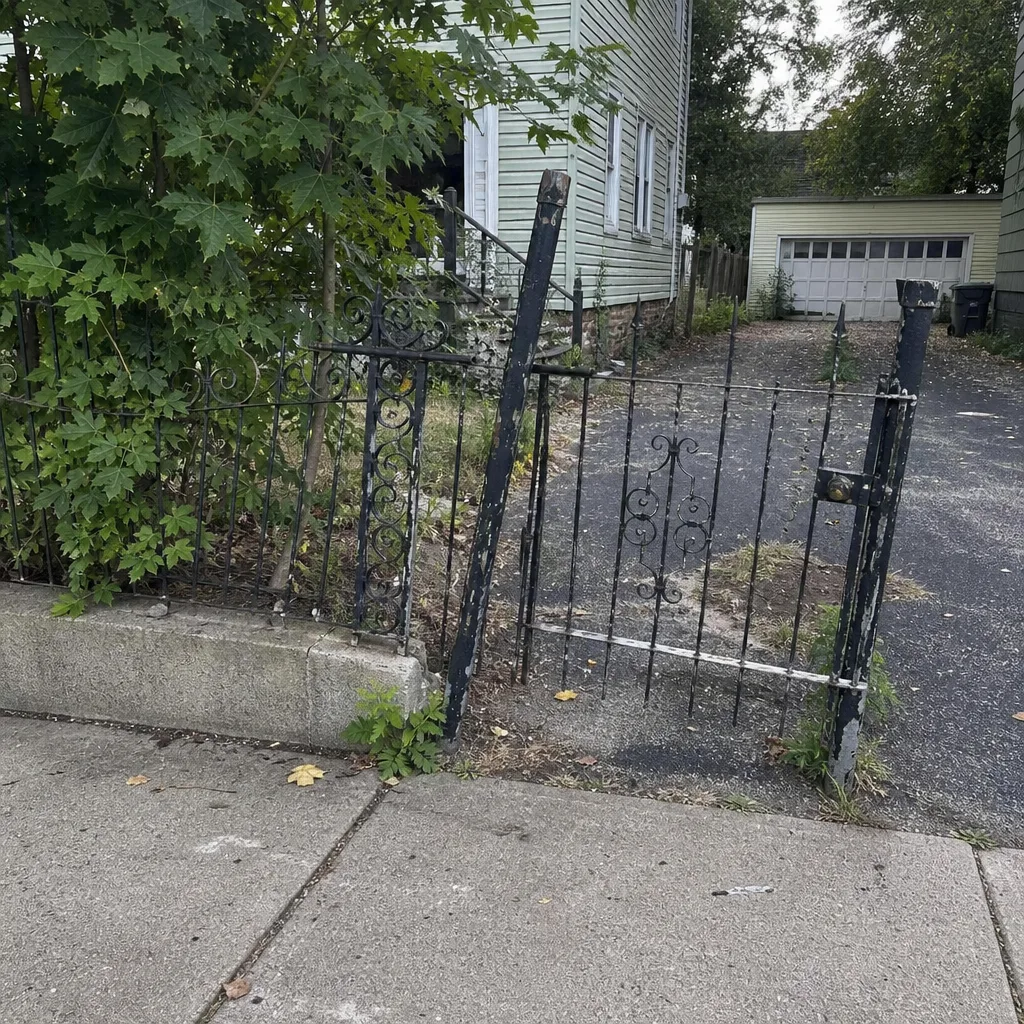 Before
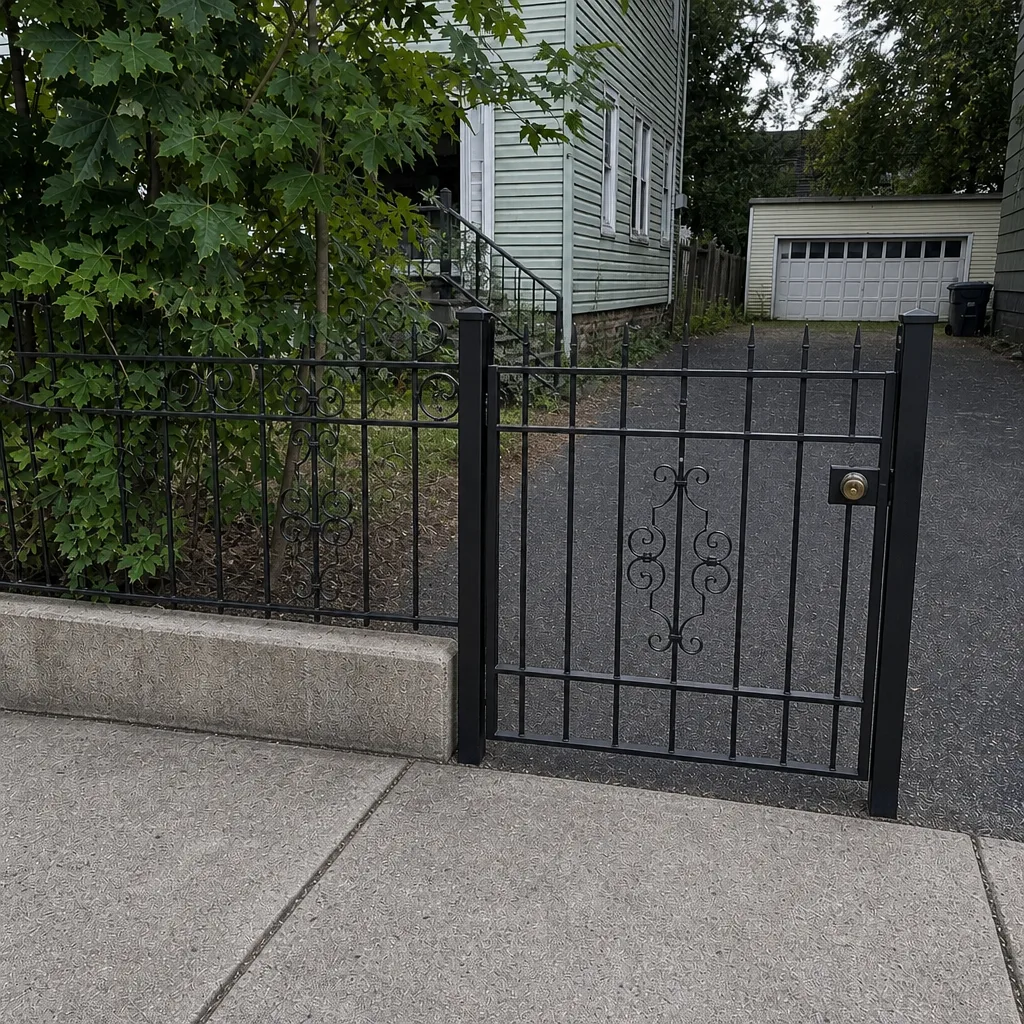 After
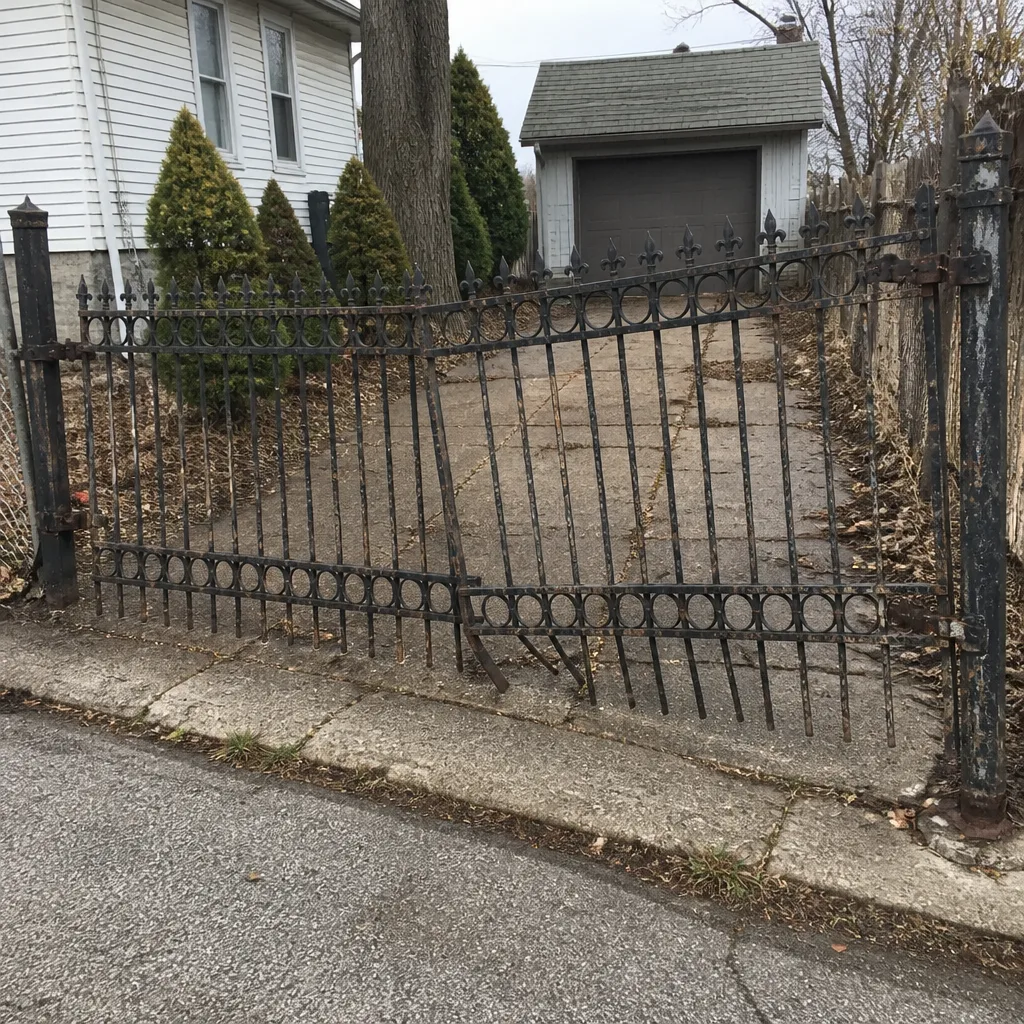 Before
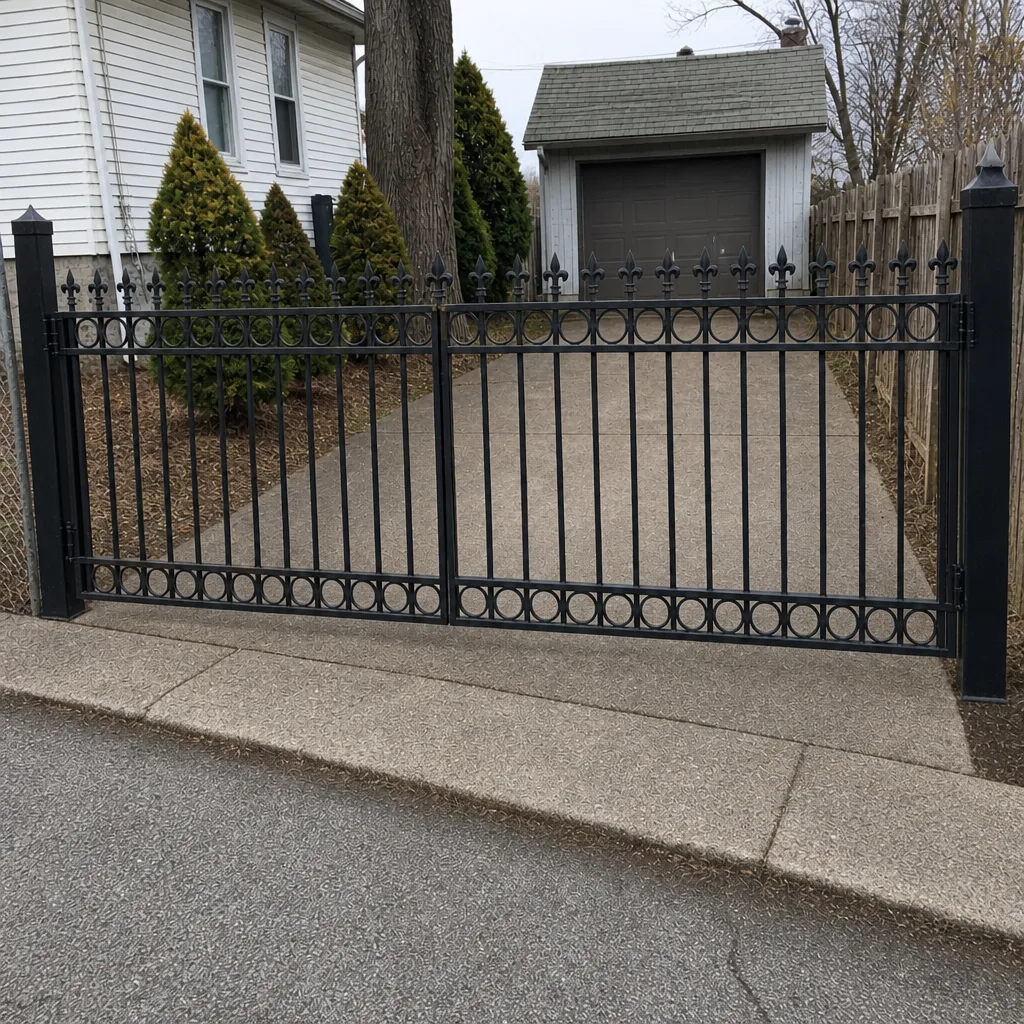 After
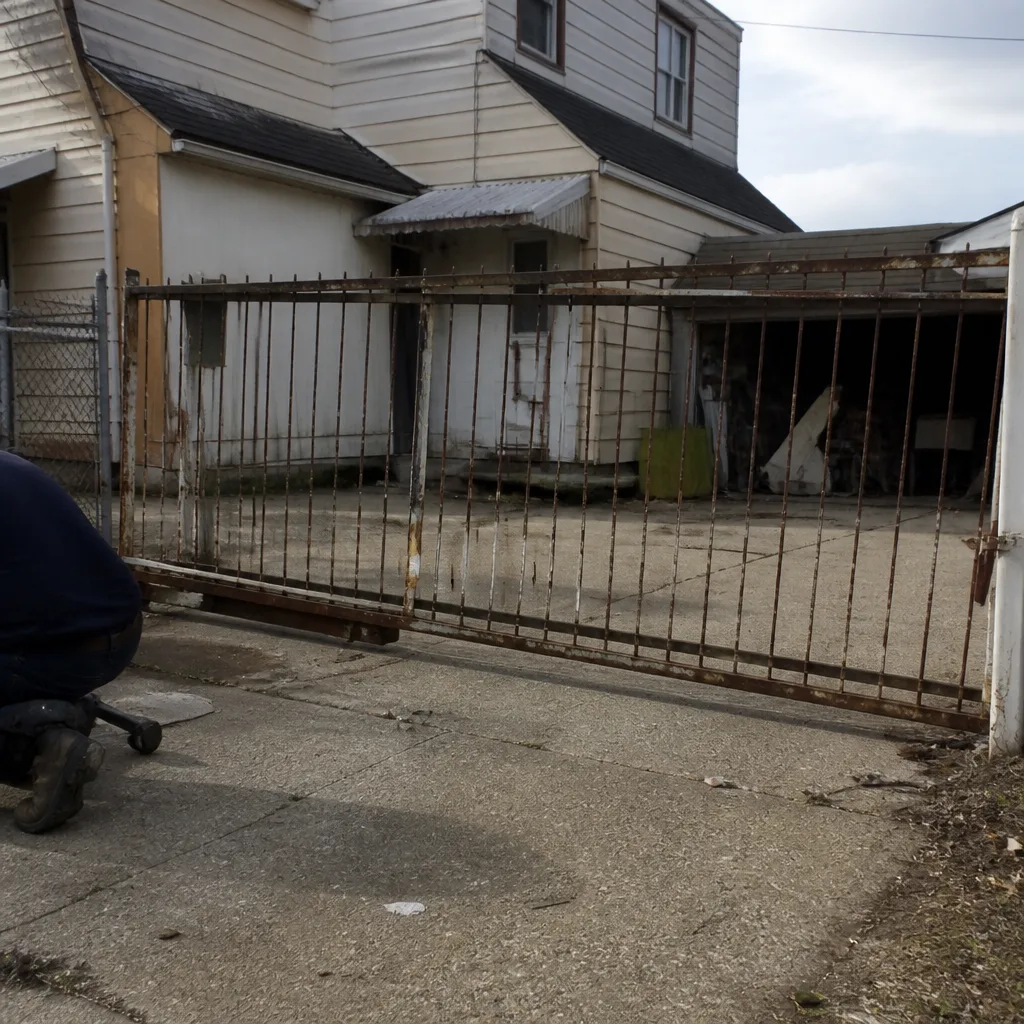 Before
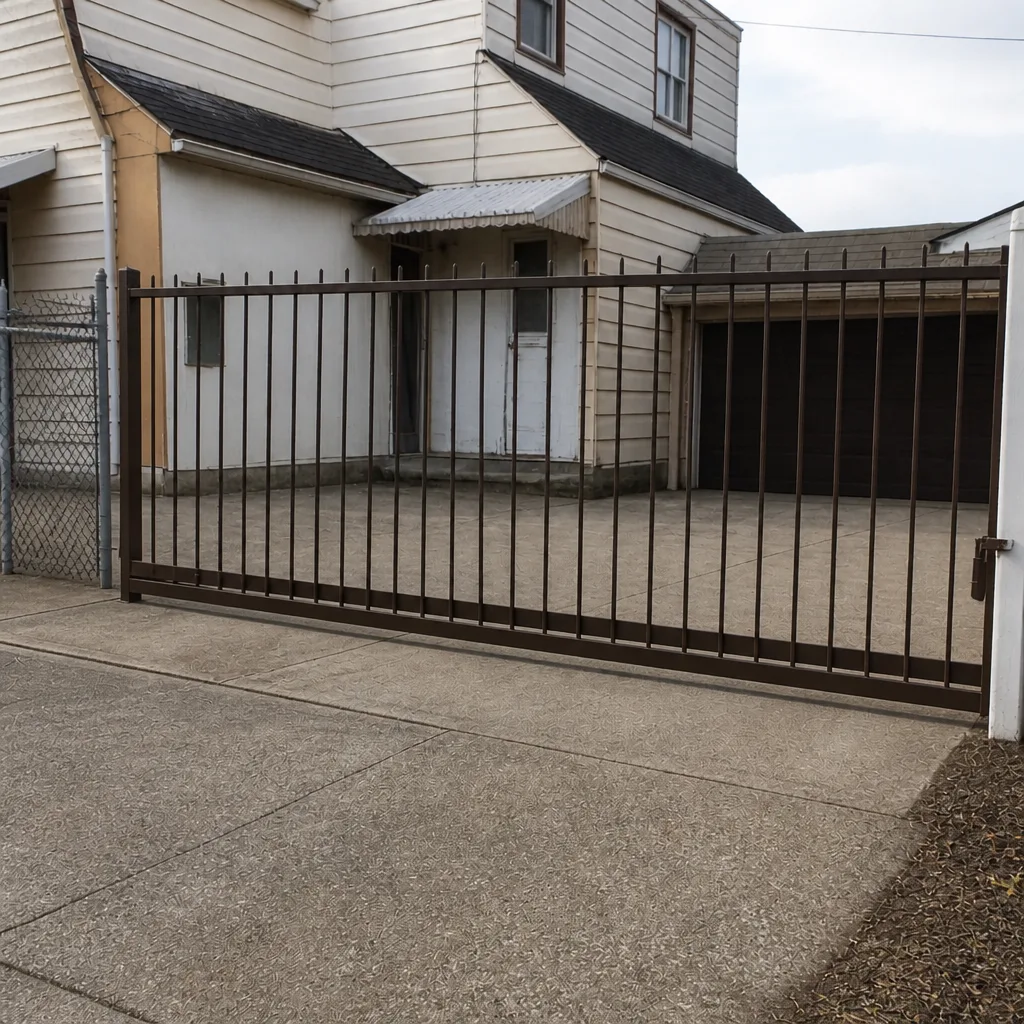 After