
Last updated November 15, 2026
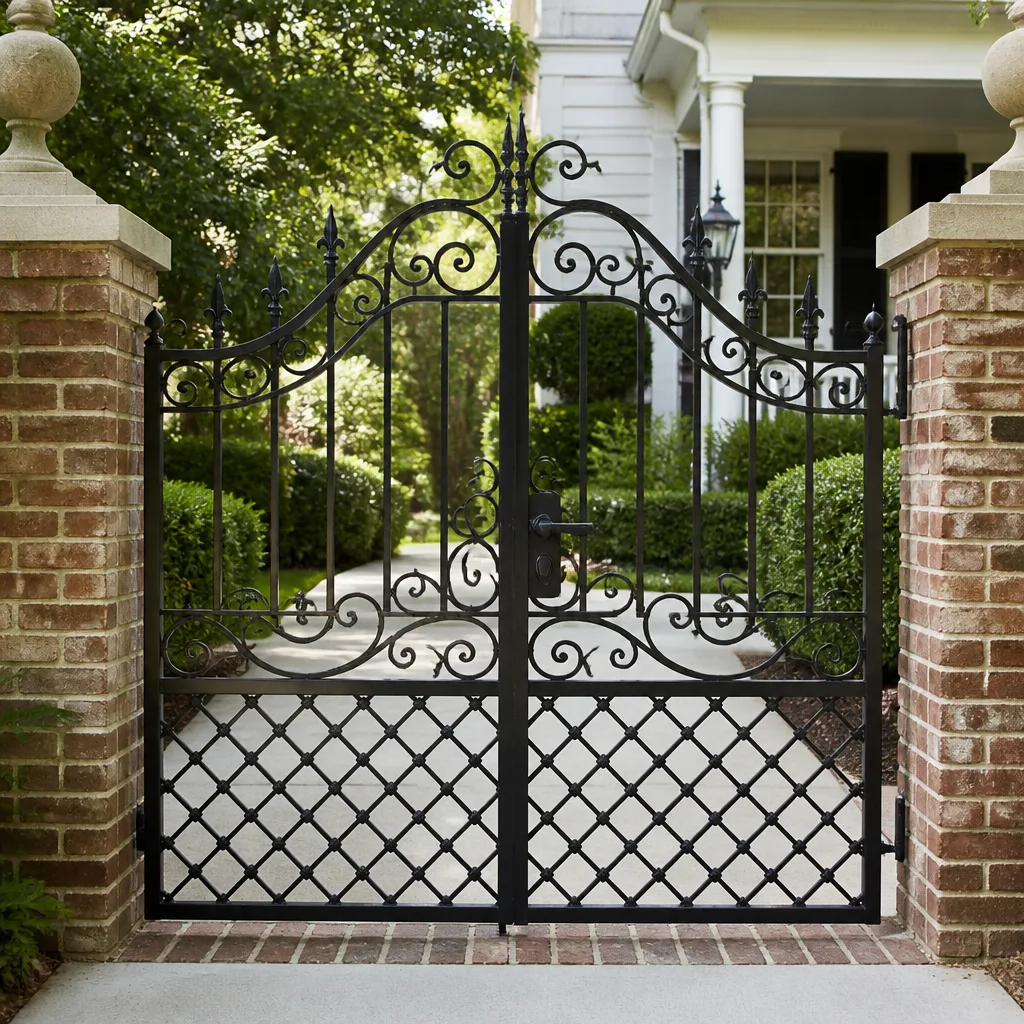 Wrought iron
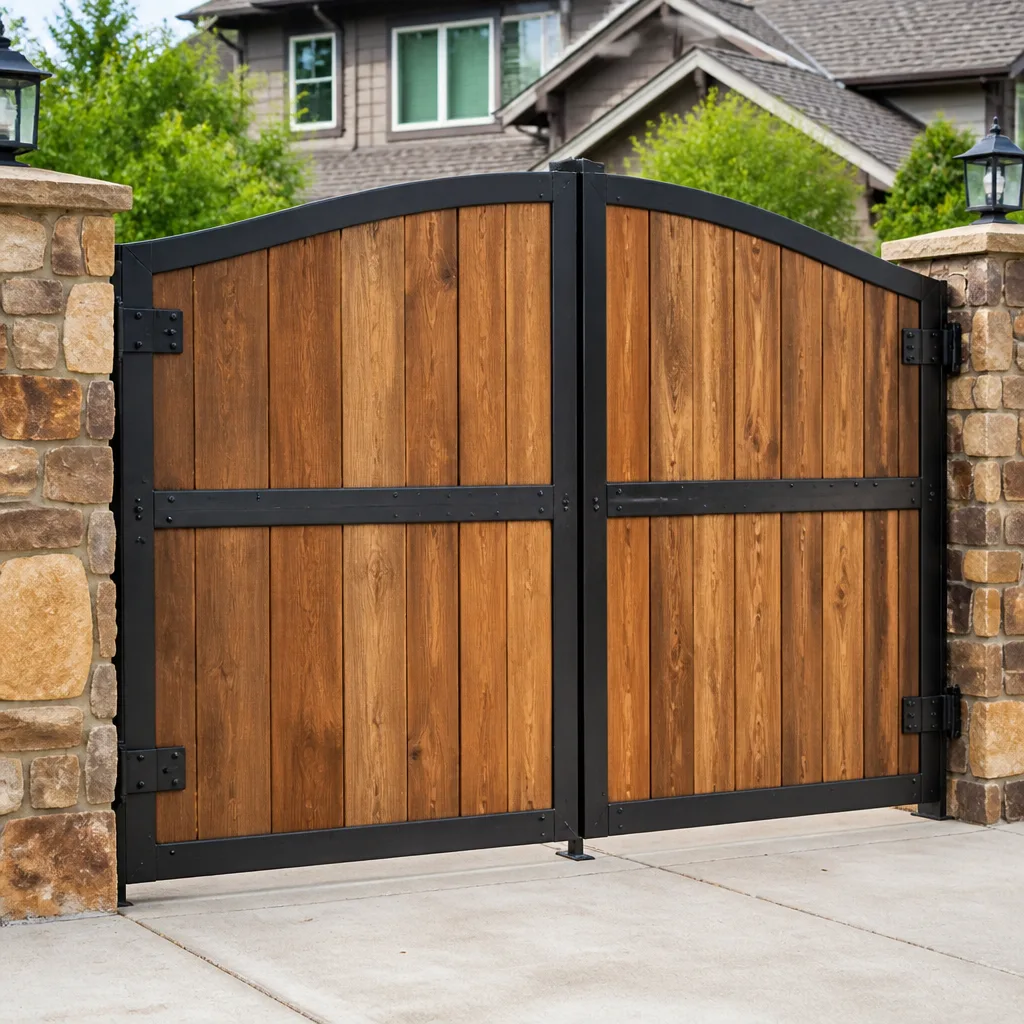 Wood & steel frame
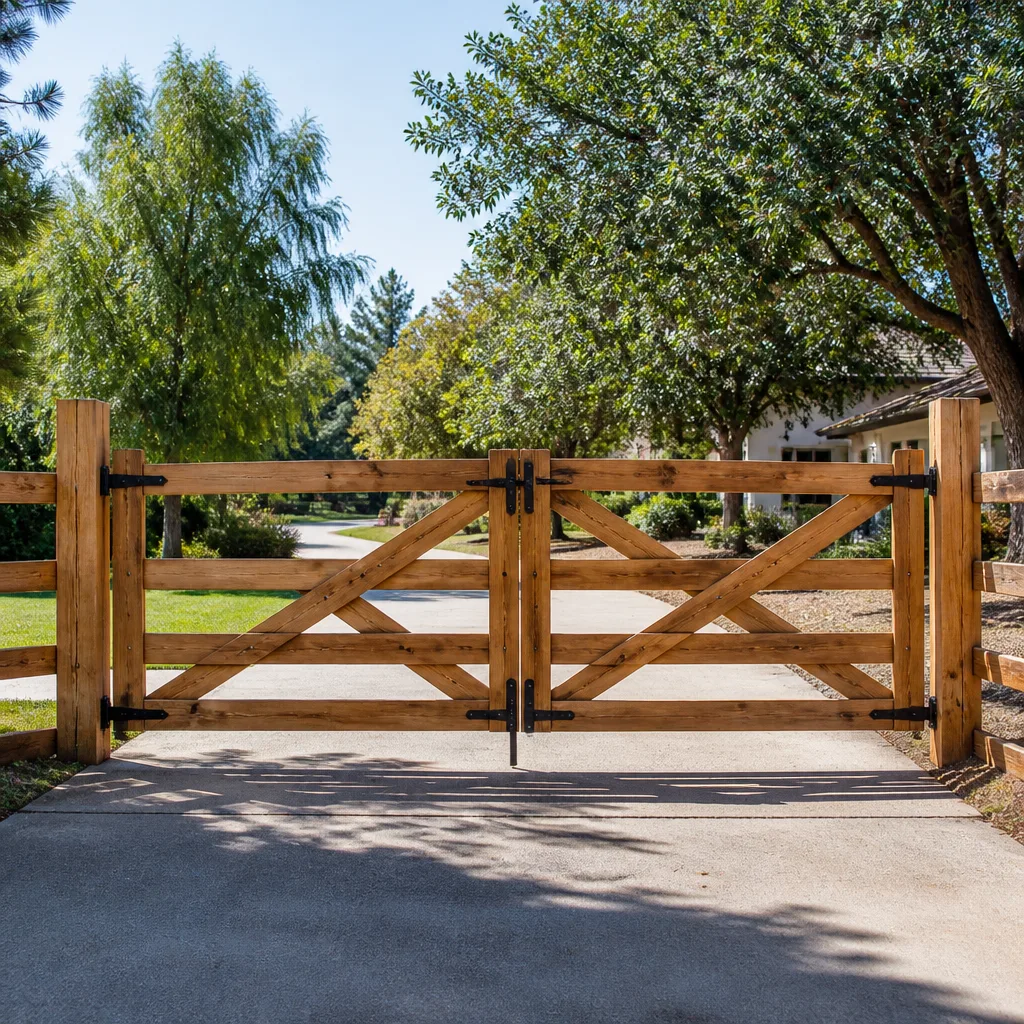 Farm & ranch
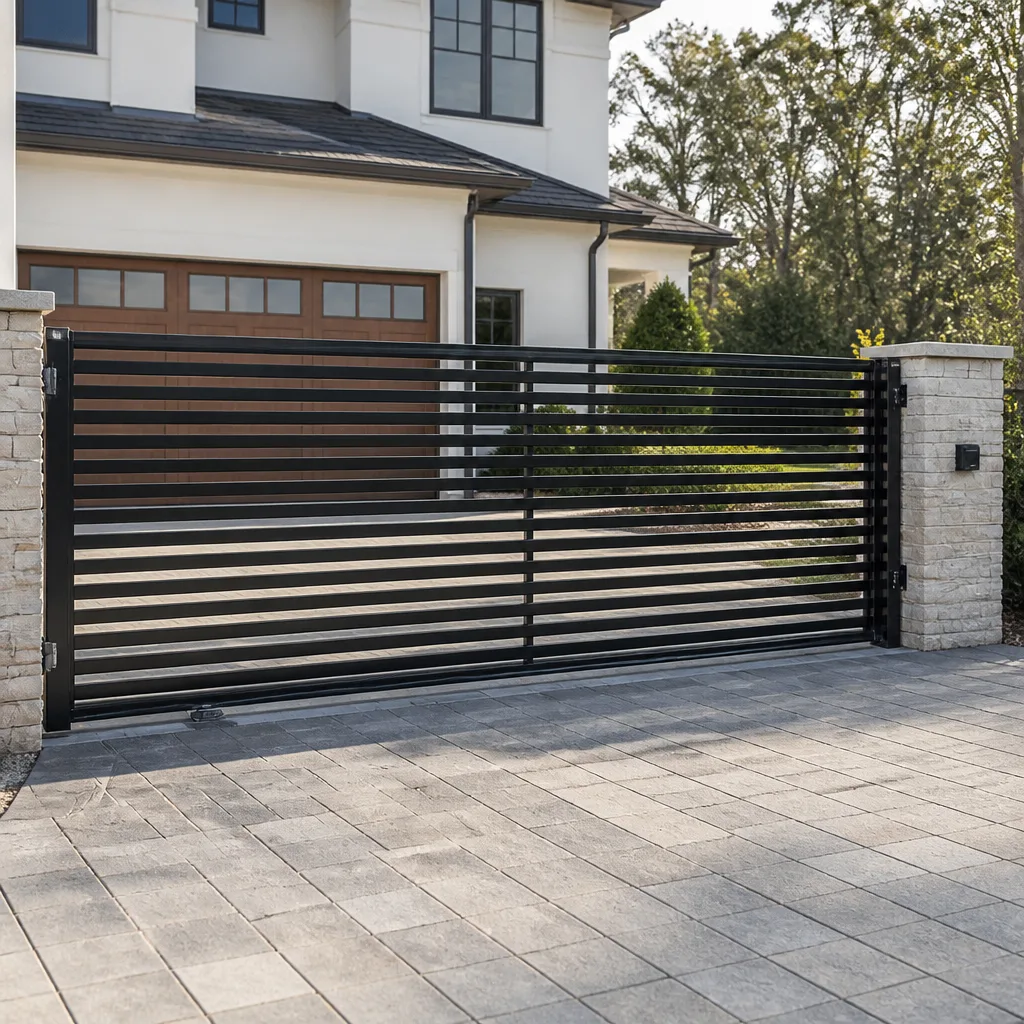 Sliding driveway gates
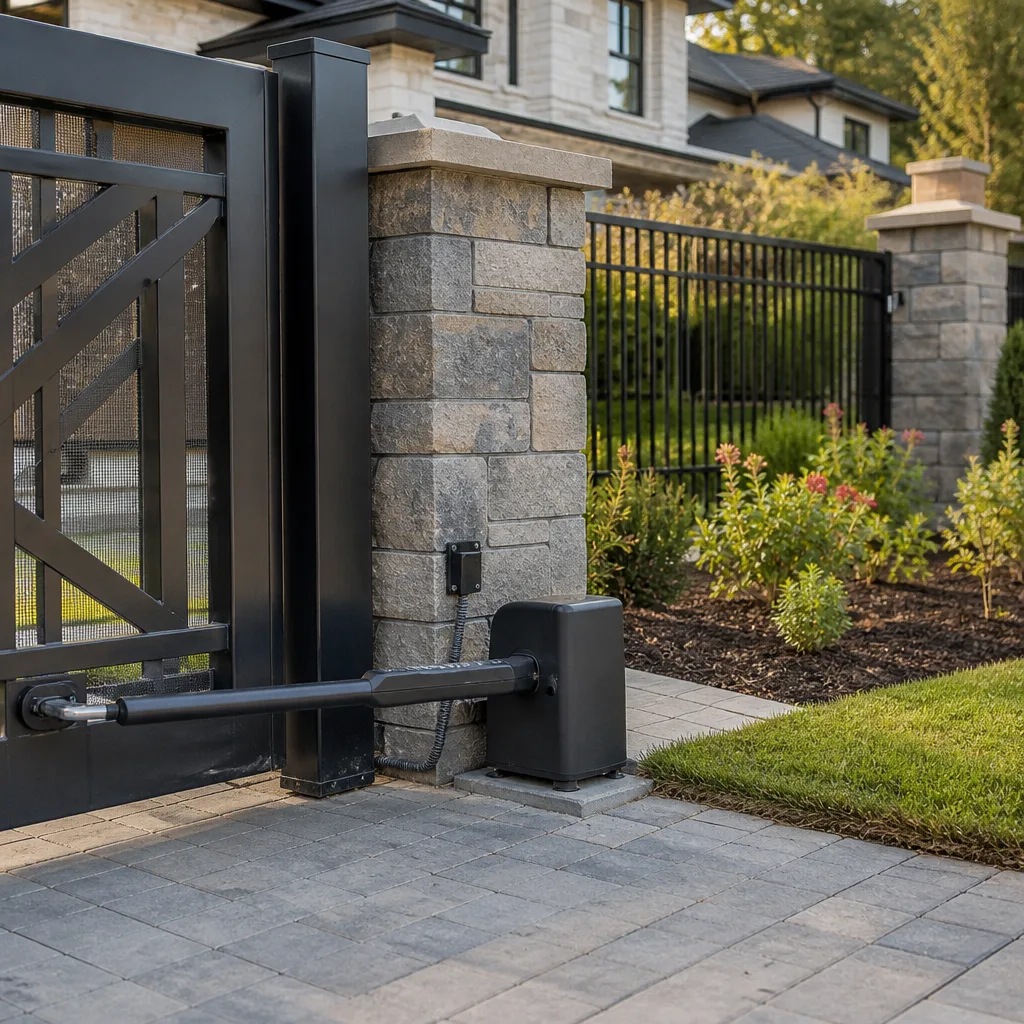 LiftMaster operators
Free on-site gate assessment - hinges, posts, and your LiftMaster or Nice gate operator checked before anything is quoted
The assessment is free and the quote is the invoice.
Get your free estimateGate Repair Warning Signs: A Buffalo Homeowner’s Reference Guide
The gate problem you notice first is almost never the one that started first. Most homeowners call us when a gate stops moving entirely, but the failure that parked it there usually announced itself weeks earlier in small ways: a button press that needed a second try, a slow swing on a cold morning, a slight drag near the latch. None of those look like emergencies. All of them are information. Buffalo winters strain gate hardware in ways that reward early attention, and this guide is built to help you recognize the pattern your gate is already showing so you can act on it before the small fix becomes the big one.
Quick Answer
The most reliable gate repair warning signs are changes in how your gate behaves compared with how it normally behaves: a delay before movement starts, a pause before it reverses, uneven travel on one side, unusual motor noise, or a remote that needs two presses where one used to work. These are diagnosable early signals, usually mechanical binding or a sensing fault, not random glitches. If the gate won’t move at all, treat it as urgent. The best time to call for Buffalo Gate Repair is when the pattern changes, not when it stops.
Styles & brands we work with
- Wrought iron
- Wood & steel frame
- Farm & ranch
- Sliding driveway gates
- LiftMaster operators
Table of Contents
- What Normal Looks Like for Your Gate Type
- Slow to Open or Close: What It Really Means
- Frost Heave vs. Hinge Wear: Two Symptoms That Look Alike
- Electrical Warning Signs in Automated Gates
- Ornamental Iron Gates and Winter Corrosion
- Adjustment vs. Foundation: The Call Most Homeowners Get Wrong
- Safety Systems You Should Never Ignore
- Buffalo Seasonal Walkthrough
What Normal Looks Like for Your Gate Type
You can’t spot an abnormal pattern until you know the baseline. Spend one minute establishing that now: open and close your gate and watch it with full attention, then note what you saw. That baseline is the reference point for every warning sign in this guide.
For Swing Gates
- The panel should start moving within a second of the command, without a second press.
- The swing should sound even from open to close, with no binding near either end.
- It should stop cleanly and hold, with no bounce or drag at the limit.
- The post side and the latch side should travel together, not one leading the other.
For Sliding Gates
- The wheel should roll without grinding, skidding or a metallic tick at a specific track point.
- Travel should be smooth across the whole opening, not just the first few feet.
- The gate should reverse cleanly when the safety edge or loop is triggered.
- There should be no lateral wobble or racking when the gate reaches full travel.
For Manual Gates
- A manual gate should feel the same weight in both directions and both seasons.
- It should swing or roll through a full arc without catching or needing a nudge.
- Latch alignment should be confirmed with a clean catch, not a lift-and-shove.
Store this baseline mentally for your specific gate. Swing and slide systems fail differently, and what reads as a serious problem on one is normal operation on the other. Establish what your gate should do, and the rest of this guide falls into place.
Slow to Open or Close: What It Really Means
A gate that takes noticeably longer to open than it did a month ago usually isn’t a motor that’s wearing out. It’s a motor that’s working harder to push something that’s resisting. That distinction matters, because a binding gate can be freed without replacing the operator, while a misdiagnosed “motor problem” invites an unnecessary operator replacement.
When a motor feels resistance, its load increases and travel speed drops. That’s a protective response, not a symptom of motor failure. The actual cause is almost always mechanical:
- Hinge binding on a swing gate, especially if the hinge pin has accumulated grit or lost lubrication.
- Wheel or track drag on a sliding gate, from debris in the track, a worn wheel, or a track that’s out of level.
- Post misalignment that pulls the gate out of plumb and forces the panel to fight the operator.
- Cold-weather stiffening on hydraulic or sealed actuators, which slows travel in cold conditions without any underlying fault.
How to Tell the Difference Without a Wrench
- Stand at the gate and listen while it opens. A steady hum that slows at a specific point suggests mechanical binding at that point. A hum that sounds strained from the very first second suggests a load problem from the start.
- With power off and the operator disengaged, push the gate manually through its full travel. If it moves freely by hand, the operator is doing its job; the issue is elsewhere. If it fights you by hand, you’ve found the binding.
- Test the same travel in cool morning air and warmer afternoon air. A gate that’s slower in the cold but free in the warm is showing you a mechanical tolerance that needs adjustment, not a failing motor.
If the manual push test shows binding, the fix usually sits in the hinges, wheels or alignment, and the operator stays. If it doesn’t, that brings us to the operator itself, and it’s time for a proper diagnostic. Our technicians have up to 15 years of experience across systems from LiftMaster, FAAC, Linear, Elite and others, and they can usually isolate a mechanical binding from a motor fault in one visit.
Frost Heave vs. Hinge Wear: Two Symptoms That Look Alike
These two failures produce almost identical symptoms, and confusing them costs Buffalo homeowners real money every year. Frost heave lifts or tilts a post out of position as the ground freezes and thaws. Hinge wear is the gradual loosening of the hinge assembly itself. Both make a gate drag, stick, or fall out of square. The difference is where the fault lives, and therefore what actually fixes it.
The Dry-Weather Test
Wait for a dry window, then inspect the gate and its posts:
- Hinge wear: the panel sits level, but the hinge has play when you grip the gate near the hinge and lift or push. You’ll see slop in the hinge pin itself.
- Frost heave: the post has moved in some direction, or the grade around the post has heaved or settled. The gate will be out of level or out of square, and the hinges feel solid.
Why the Distinction Saves Money
A binding hinge is fixed at the hinge, at the hardware level. A post that’s moved requires addressing the foundation and the gate together, because tightening hinges on a misaligned post buys you a few weeks of function and then a repeat visit. Homeowners who pay for a hinge adjustment when the post has shifted are paying for a repair that can’t hold.
In our experience working Buffalo winters, post movement is more common than most homeowners expect, particularly on older installs where footing depth was never adequate for frost cycles. When in doubt, have the gate looked at by someone who can distinguish the two. For dedicated gate repair, our technicians check both during the same visit precisely because this distinction is easy to miss on a quick look.
Electrical Warning Signs in Automated Gates
Automated gates have a second class of warning signs that look nothing like the mechanical ones, and they’re the most often missed. The core principle: intermittent electrical behavior is patterned, not random. If you can describe the pattern precisely, you can help a technician isolate which component is failing before anyone touches the gate.
Match the Pattern to the Component
- Second button press required – the safety loop or sensor is detecting something it shouldn’t. That points at the loop wiring, an obstruction sensor, or a photo-eye fault, not the remote.
- Remote works only from close range – a failing receiver antenna, weak remote battery, or deteriorating wiring connection.
- Operator starts, stops, then reverses without a command – a safety input triggering unexpectedly. Common causes: a misaligned photo-eye, moisture in a loop splice, or a control board sensing an input that isn’t there.
- Gate runs at full speed, then lurches into slow mode – the operator’s obstacle-detection logic is registering force beyond its threshold, either from binding or a miscalibrated travel limit.
- Operator doesn’t respond to the remote but does respond to the keypad – the fault is in the receiver or remote side, not the operator or the gate.
- Gate opens reliably, closes unreliably (or vice versa) – suggests a limit-setting issue, a directional safety on one phase, or a specific sensor in the path of the closure.
For dedicated electric gate repair, these patterns are exactly what our technicians work from. Automated gate faults don’t resolve on their own. A gate that “works if you hit it twice” is still reporting an electrical condition every cycle, and the component that’s failing will eventually stop responding altogether. Brands like DoorKing, BFT, Viking and FAAC each have their own characteristic failure signatures on the control board and safety side, so matching symptom to brand is a real part of the diagnosis.
Ornamental Iron Gates and Winter Corrosion
Ornamental iron gates are the worst candidates for deferred maintenance, and Buffalo’s winter conditions make that worse. Corrosion in wrought and cast iron often starts at weld points and inside joints, where moisture collects and stays, and where paint coverage is thinnest. The result is hidden structural weakening that you won’t notice until the weld fails.
Where to Inspect (Safe Only)
Visual inspection only. Don’t probe, pry or strike the gate with anything. Stand at a safe distance and look at:
- Weld seams at panel joints, hinge mounts and post connections.
- Inside corners of ornamental loops and scroll details, where water pools.
- Base plates and lower rails, where road salt splash and runoff are worst.
- Hinge and latch contact points, where flexing breaks paint and exposes bare metal.
What Corrosion Looks Like Before It Fails
Rust bleeding through paint isn’t just cosmetic. It signals that the steel underneath has lost protective coverage, and that the joint is losing strength. On a gate, a failing weld can drop a panel with no warning, and a heavy iron panel swinging on a weakened hinge can buckle, deform, or crush. If you see discoloration, bubbling paint or visible rust at a stress point, that’s a stop-and-call condition, not a cosmetic touch-up.
Adjustment vs. Foundation: The Call Most Homeowners Get Wrong
The most expensive mistake in this guide is paying for an adjustment on a gate whose problem is foundation-level. Posts shift. Footings move with frost cycles and soil moisture. When a post tilts, everything mounted to it tilts too, and hinge adjustments, limit resets and operator re-calibrations all get undone by the underlying movement.
Quick Distinguishers
- Recurring misalignment: if you’ve had the gate adjusted and the same symptom returns within a few weeks, the post is likely moving.
- Visible post lean: a straightedge or plumb line against the post will show tilt that a level check at the gate surface won’t.
- Fresh ground cracks or heaved soil around the post or footing.
- Consistent sag in one direction, regardless of gate hardware condition.
What a Foundation-Level Fix Involves
When the post has moved, the gate needs to come off, the footing evaluated and re-established to proper depth, and the gate remounted and re-squared. That’s more work than a hinge adjustment, but it’s the only fix that holds. Homeowners in Buffalo who chase the symptom with repeated adjustments end up paying twice. If you’re seeing the recurrence pattern above, get Buffalo gate repair evaluated at the foundational level, not just the hardware.
Safety Systems You Should Never Ignore
On an automated gate, the safety system isn’t optional equipment. It’s the mechanism that stops the gate from closing on a person, a pet or a vehicle. Any warning sign that touches the safety loop, photo-eye or safety edge is a stop-using-the-gate condition until a technician confirms the system is functioning correctly.
Stop-and-Call Warnings
- The gate closes even though something is in its path. The safety device is disabled or has failed. Do not cycle the gate until it’s fixed.
- Photo-eye lens has visible damage or debris. Clean carefully from a safe distance; if the issue persists, that’s a stop-and-call.
- Safety edge doesn’t stop the gate on contact. It must immediately reverse the gate. If it doesn’t, the gate isn’t safe to operate.
- Gate reverses without any obstruction in the path. This is a safety fault, not an inconvenience; it means the gate is acting unpredictably.
Wiring and control-board work on an automated gate belongs to a trained technician. The voltages inside an operator enclosure are dangerous, and miswired safety sensors create the exact failure mode the sensor is supposed to prevent. Please don’t open the operator housing to trace wiring yourself. When the operator control board, safety loop wiring or power feed is suspect, it’s time for a technician who works on that brand every day.
Buffalo Seasonal Walkthrough
Buffalo’s climate gives gate hardware a specific seasonal rhythm, and knowing the rhythm helps you time inspections and repairs before failures happen.
Before the First Freeze
- Check that the gate swings or slides freely by hand (operator disengaged).
- Confirm hinges, wheels and tracks are clear of debris and properly lubricated.
- Verify the safety system triggers properly, both photo-eye and safety edge.
- Inspect ornamental iron for early rust at welds and stress points.
Mid-Winter
- Watch for slower travel than usual; it’s often mechanical stiffness, not necessarily a fault.
- Clear ice and snow from the travel path so the gate isn’t fighting packed snow.
- If travel speed drops sharply, note where in the cycle the slowdown happens; that’s diagnostic information.
Spring Thaw
- This is when ground movement is most active. Re-check post plumbness and gate alignment.
- Inspect the ground around footings for fresh cracks, heave or settling.
- Re-test the safety system after the freeze cycle.
Summer
- Best window for paint touch-ups on ornamental iron and for any foundation-level repair work.
- Re-baseline the gate’s normal operating sound and speed; you’ll use this baseline for the next cold season.
Common Mistakes to Avoid
- Buying a new remote when the problem is the receiver. If your remote works up close but not far, that’s a range issue, not a dead remote. Swapping the remote doesn’t test the receiver.
- Assuming a slow gate means a bad motor. Load-based slowdowns are mechanical until proven otherwise. Test manually first.
- Adjusting hinges on a post that’s moved. This is the recurring-adjustment cycle. If it works for a few weeks and then sags, look at the post, not the hinge.
- Ignoring a safety-edge failure because the gate still opens. The gate is functioning; the safety system isn’t. Those are different things, and only one keeps people safe.
- Painting over rust at a weld point without investigating. Paint hides the extent of the corrosion. A failing weld needs evaluation, not concealment.
- Replacing a whole operator because the brand is unfamiliar. Any dedicated gate technician should work on the system you already own. Brands like Elite, LiftMaster, Linear and Mighty Mule all share basic logic, and a specialist doesn’t need to sell you a new unit just because the label is unfamiliar.
- Waiting for total failure before calling. Total failure is the most expensive entry point for gate work. Pattern recognition is the cheaper option.
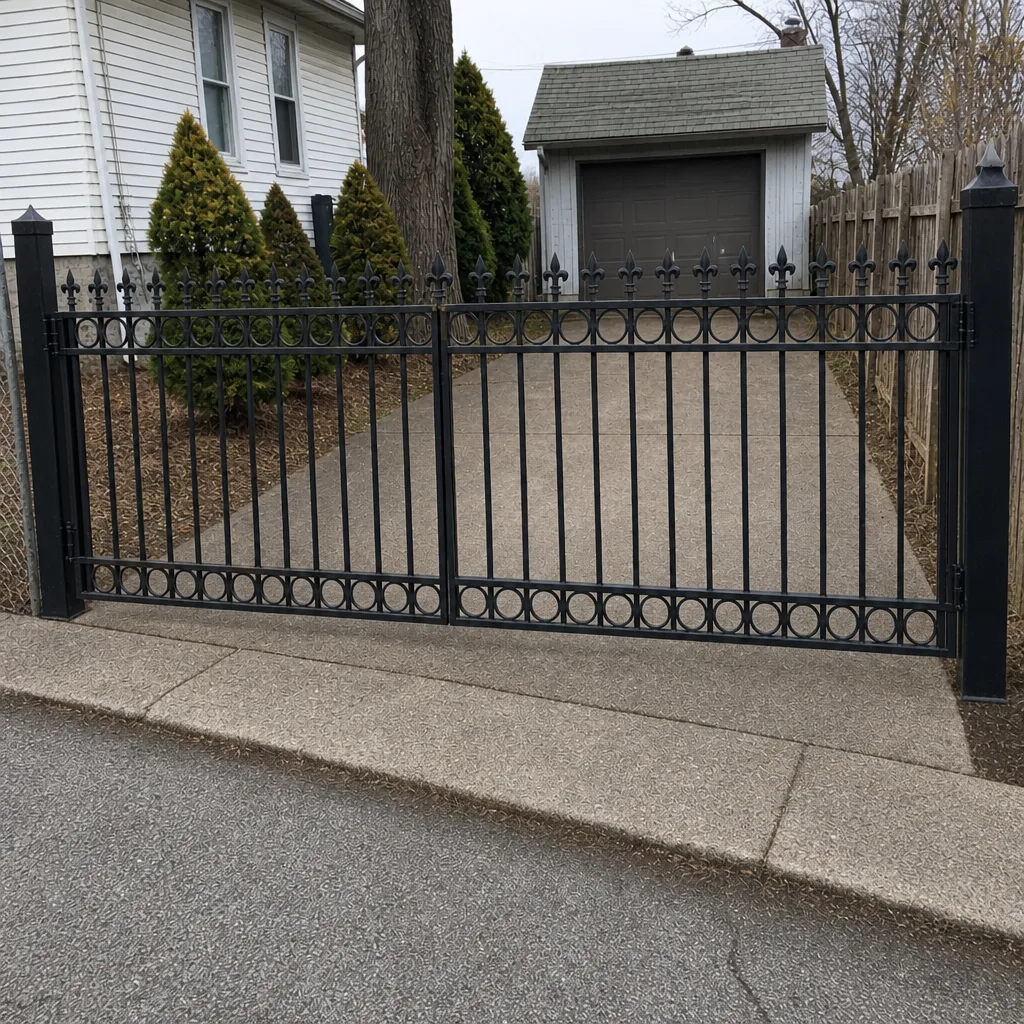
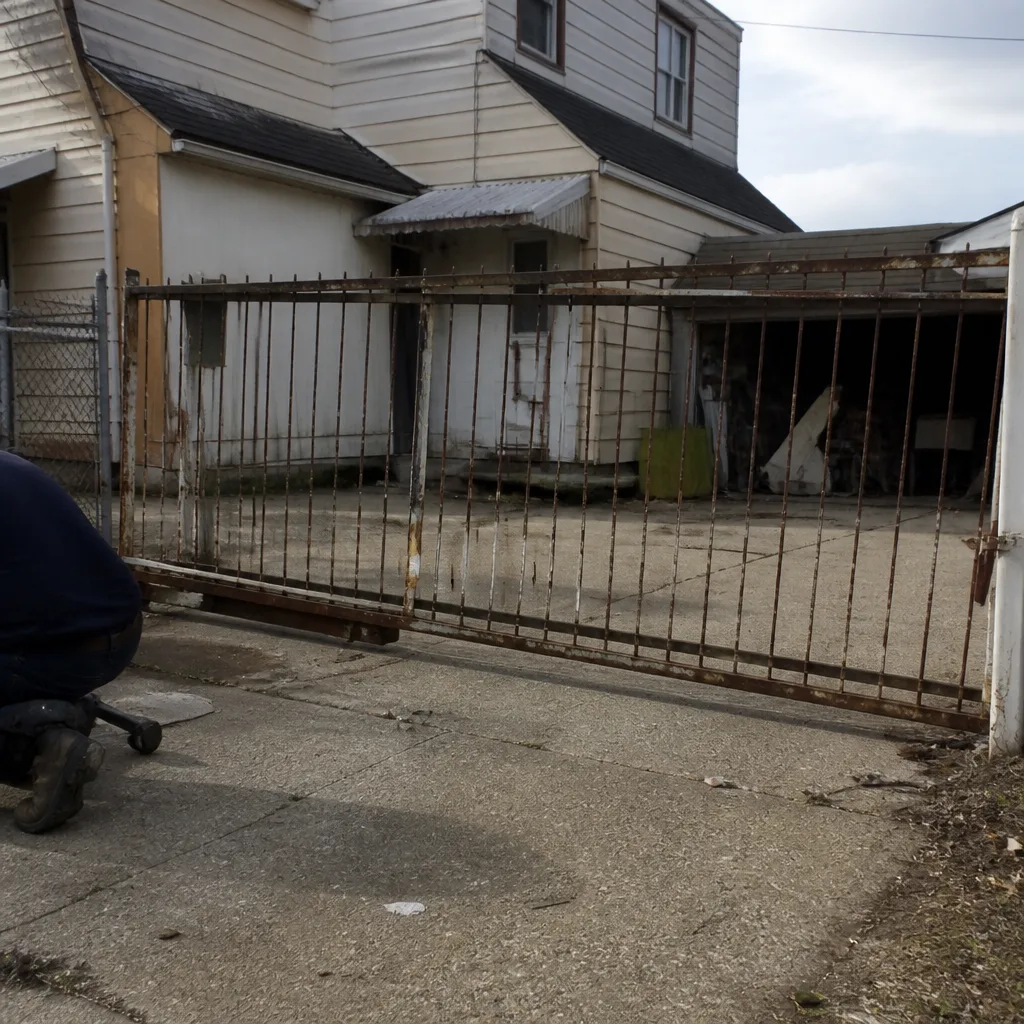
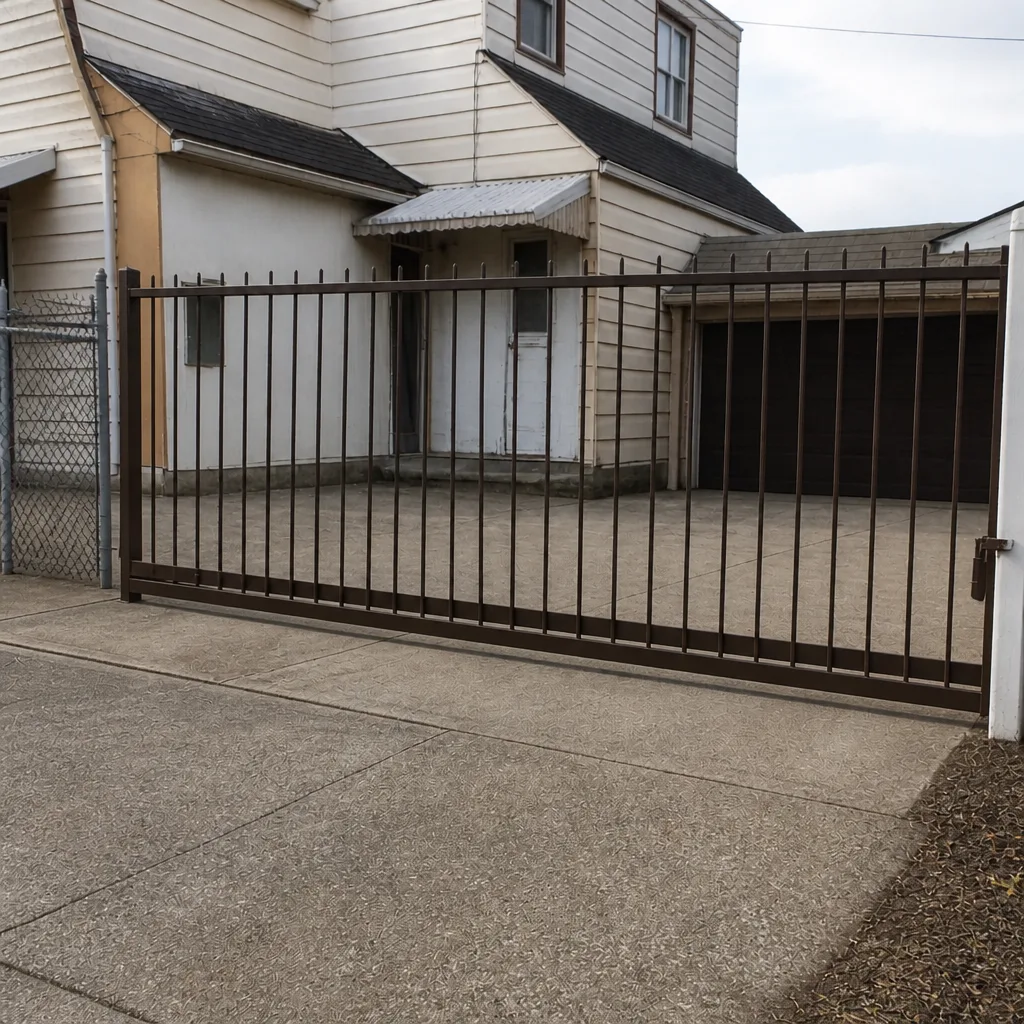
See the difference
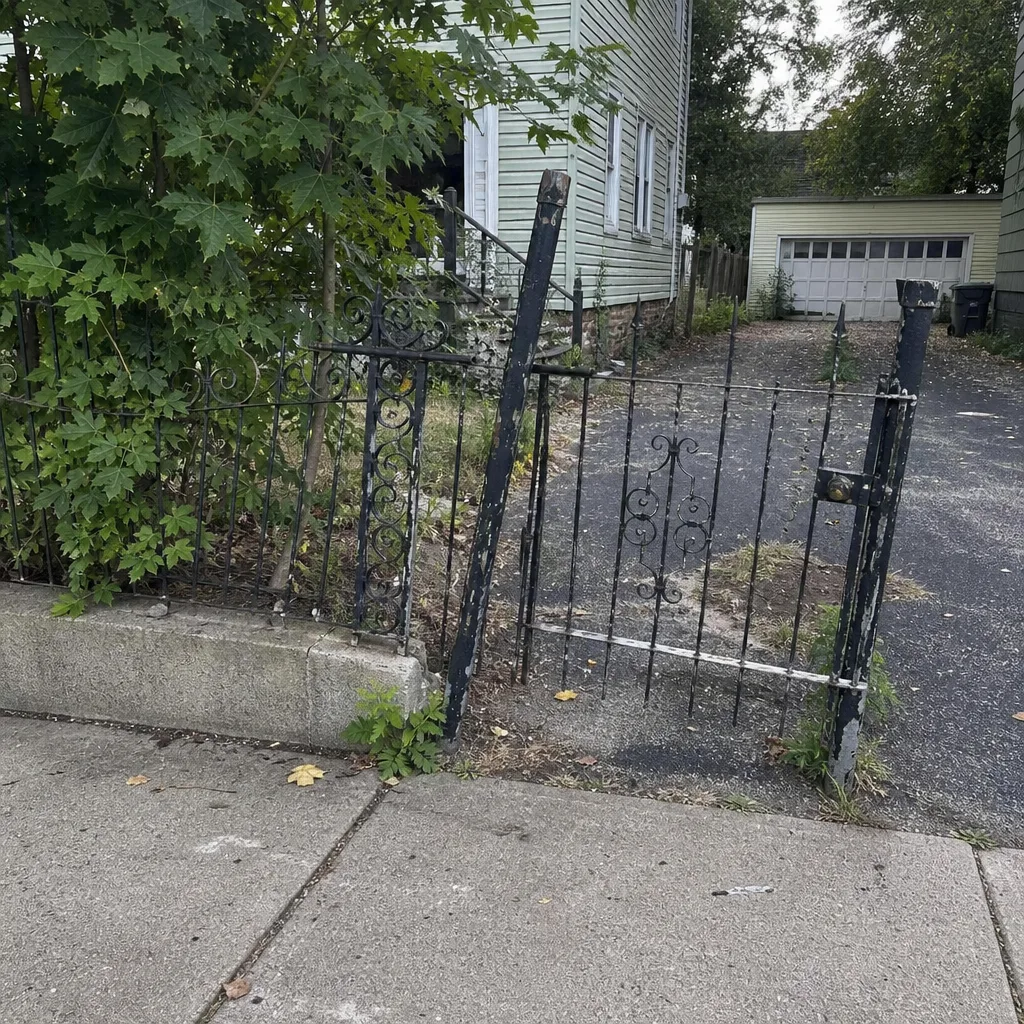 Before
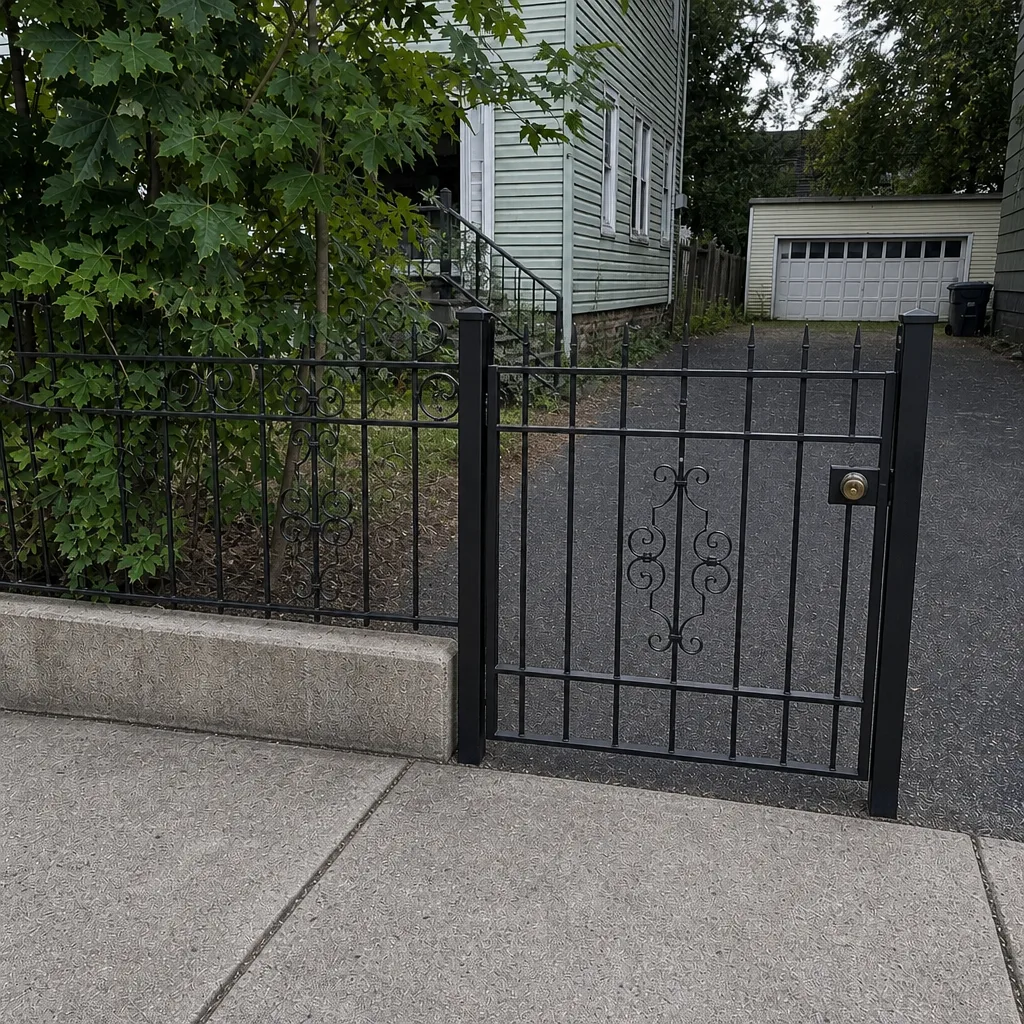 After
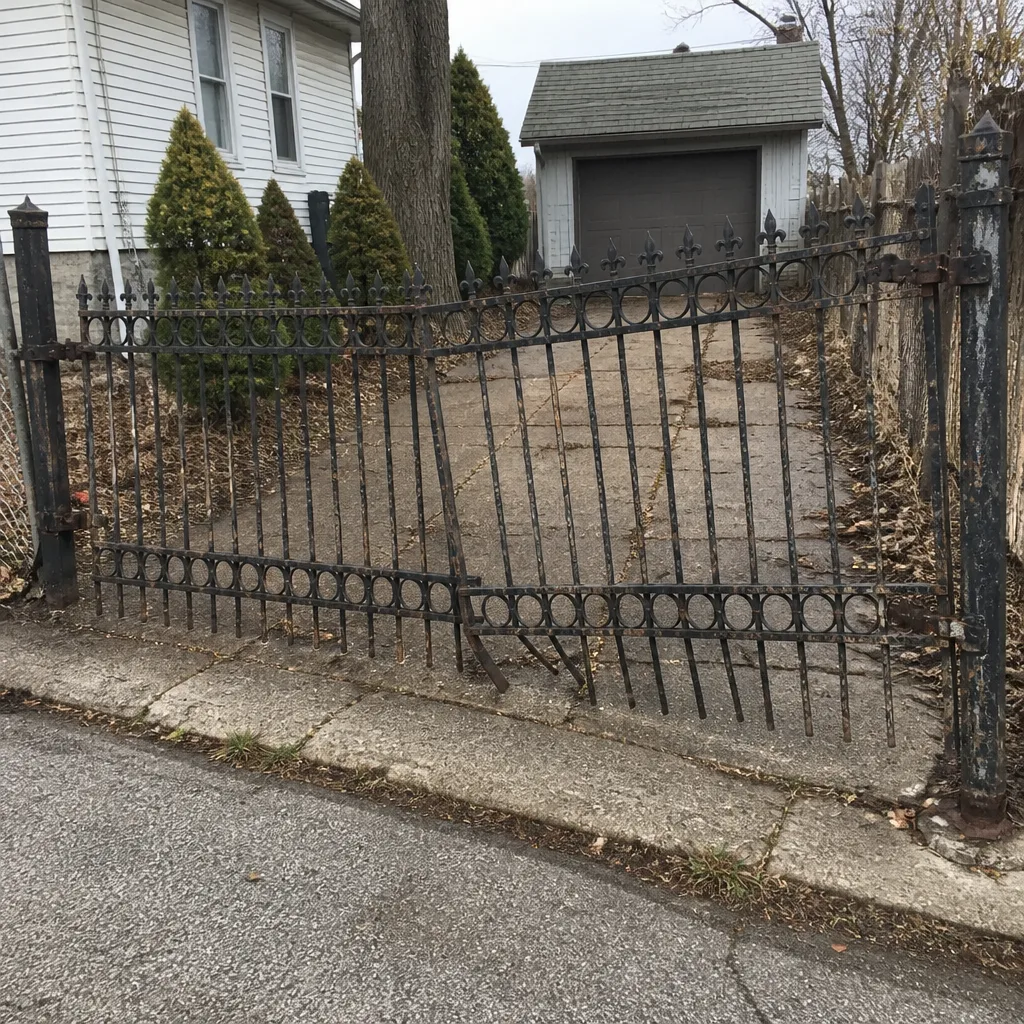 Before
 After
 Before
 After
When to Call a Professional
Call a professional when the gate is doing any of the following: reversing without command, closing on an obstruction, locking up mid-travel, requiring a second remote press, sagging and returning to the same misalignment after adjustment, showing rust bubbling at a weld seam, or traveling noticeably slower than its established baseline. These aren’t the cosmetic complaints that can wait. Each one is a pattern that will trend toward failure rather than away from it. Buffalo homeowners benefit most from calling at the pattern-recognition stage, before the gate stops working and the repair gets bigger. Our technicians have up to 15 years of experience tracing both mechanical and electrical gate faults, and they can usually isolate the failing component in a single visit. Buffalo Gate Repair offers free estimates in Buffalo. Call (877) 283-9515 to book one.
Frequently Asked Questions
A second press is usually a safety-loop or sensor fault. The first press is being canceled by a safety input that shouldn’t be triggering. That’s the wiring or sensor side, not the remote. It’s worth a diagnostic: the failing component will eventually stop responding entirely. Call (877) 283-9515 for an exact quote – estimates are free.
No. A slow gate is usually mechanical. Load-based slowdowns come from binding hinges, wheel drag, or post misalignment. Disengage the operator and push the gate manually. If it’s hard to move by hand, the operator isn’t the problem. If it’s free by hand, the operator side needs checking.
The dry-weather test distinguishes them. Hinge wear shows play at the hinge assembly with the panel level. Post movement shows the panel out of plumb, but hinges feel solid. If a prior adjustment has reverted within a few weeks, assume post movement and call for a foundation-level look.
Almost always, yes. The responder matters: if the keypad works but not the remote, the fault is in the receiver or the remote. If neither works, the fault is upstream in the operator. These are diagnosable conditions, not terminal ones. Call (877) 283-9515 for a free estimate.
Yes. Frost cycles move posts, which causes misalignment that recurs after adjustment. Cold also stiffens hydraulic operators and mechanical joints, so slow travel in winter may be mechanical rather than a fault. Ornamental iron also suffers at weld points where moisture collects and paint coverage is thin.
We service many of the industry’s common brands, including LiftMaster, FAAC, BFT, Linear, Viking, Ghost Controls, DoorKing, Elite, and Mighty Mule. Because we work only on gates, brand-specific familiarities shorten diagnostic time. Call (877) 283-9515 to confirm your system.
The Bottom Line
The gate that won’t move at all isn’t the first sign. It’s the last one. The real early warnings are much quieter: the second button press, the extra second to start, the slow-down at one point in the cycle, the rust bubbling at a weld. Each of these is a message about what’s actually failing. Buffalo’s climate accelerates the clock on all of them, so a residential driveway gate and a commercial access gate alike benefit from attention at the pattern-recognition stage, not the failure stage. Establish what your gate normally does. Then when the pattern changes, you’ll know it, and you’ll call before the fix turns into something bigger.
When you’re ready, call (877) 283-9515 for a free estimate. We answer 24/7. Fast dispatch from 7am to 7pm, Sunday through Friday.
Written by the team at Buffalo Gate Repair.